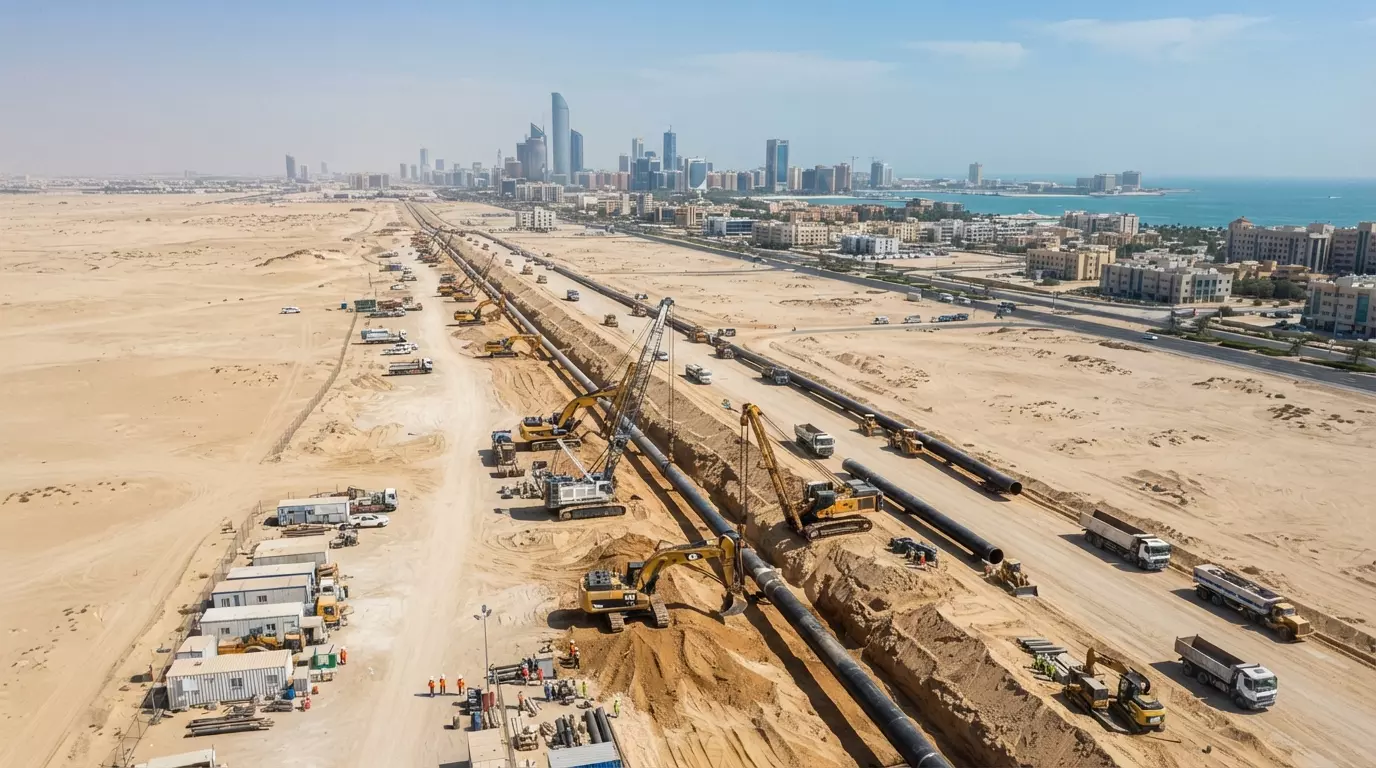
Top 7 Things to Know Before Hiring Pipeline Installation Services
Hiring a pipeline installation company is a major decision, whether you're a homeowner planning a water line, a business owner setting up an industrial system, or a developer managing a large-scale project in Abu Dhabi.
Pipelines are the hidden infrastructure that keeps water, gas, sewage, and other essential systems running smoothly, and a poor installation can lead to costly repairs, safety hazards, and long-term headaches.
For beginners navigating this process for the first time, it helps to know exactly what to look for before signing a contract. Here are the top seven things you should know before hiring pipeline installation services.
1. Understand the Type of Pipeline You Need
Before reaching out to contractors, it's important to have a basic understanding of what kind of pipeline your project requires. Water supply, sewage, drainage, irrigation, firefighting, and oil and gas pipelines all involve different materials, techniques, and regulatory requirements.
Knowing this in advance helps you communicate more clearly with potential contractors and ensures you're comparing quotes for the same scope of work. It also helps you identify whether a contractor genuinely specializes in your type of project or is generalizing their experience.
If you're unsure which category your project falls under, a brief consultation with a contractor before finalizing your scope can help clarify the right approach, materials, and permitting requirements from the start.
2. Check Licensing, Certifications, and Compliance
Pipeline installation is a regulated field, especially in a rapidly developing city like Abu Dhabi. Before hiring any contractor, confirm that they hold the proper licenses and certifications required to operate legally in the region.
This includes compliance with local municipal codes, environmental regulations, and industry safety standards.
Reputable contractors will be transparent about their credentials and should be able to provide documentation on request. Skipping this step can expose you to legal and financial risk if the work doesn't meet required standards.
3. Evaluate Experience with Similar Projects
Not all pipeline contractors have the same level of expertise across every project type. Some may specialize in residential water lines, while others focus on large industrial or oil and gas pipelines.
Ask potential contractors about past projects similar in scale and scope to yours. A company with a proven track record in your specific pipeline category is more likely to anticipate challenges, follow best practices, and deliver a system built to last.
4. Ask About Materials and Equipment Used
The materials used in pipeline installation directly affect durability, safety, and long-term performance. Steel, HDPE (high-density polyethylene), and PVC are among the most common options, each suited to different applications and environmental conditions.
Before hiring a contractor, ask which materials they recommend for your project and why. It's also worth asking about the equipment they use, since modern, well-maintained machinery often leads to more efficient and precise installations.
Read: Top Anyscale Alternatives for AI/ML Model Deployment in
5. Get a Clear, Detailed Quote
Vague pricing is one of the most common sources of frustration in construction and infrastructure projects.
Before committing to a contractor, request a detailed, written quote that breaks down costs for materials, labor, permits, and any additional services.
A clear quote not only helps you compare contractors fairly but also protects you from unexpected charges later in the project.
Be cautious of quotes that seem unusually low, as they may indicate the use of subpar materials or corners being cut during installation.
It's also worth asking whether the quote accounts for potential site complications, such as unexpected soil conditions or the need to reroute around existing utilities, since these can add costs if not addressed upfront.
6. Ask About Timelines and Project Management
Pipeline installation projects can range from a few days to several months, depending on the scope.
Before hiring a contractor, ask for a realistic timeline and find out how they handle project management, including communication, site supervision, and coordination with other contractors if needed.
A contractor who provides a clear schedule and regular updates throughout the project demonstrates professionalism and helps prevent delays or miscommunication down the line.
7. Review Testing, Warranty, and Post-Installation Support
A quality pipeline installation doesn't end once the pipes are laid. Reputable contractors conduct thorough testing, such as pressure and leak testing, before considering a project complete. Ask what testing procedures they follow to ensure the pipeline meets safety and performance standards.
It's equally important to ask about warranties and post-installation support. A contractor who stands behind their work with a warranty and offers ongoing maintenance or support demonstrates confidence in the quality of their installation, giving you added peace of mind.
Frequently Asked Questions
How do I know if a pipeline contractor is trustworthy?
Look for verifiable licensing, a strong portfolio of completed projects, positive client reviews, and a willingness to provide references. Trustworthy contractors are also transparent about pricing, timelines, and potential challenges rather than making vague promises.
What questions should I ask during the first consultation?
Ask about their experience with projects similar to yours, the materials and equipment they plan to use, expected timelines, how they handle unexpected issues, and what warranty or support they offer after installation.
Is it worth paying more for an experienced contractor?
In most cases, yes. Pipeline installation is a long-term investment, and cutting corners on contractor selection often leads to higher costs down the line through leaks, repairs, or system failures. Experienced contractors typically deliver more durable, code-compliant results.
How can I avoid delays during a pipeline installation project?
Choose a contractor with a clear project management process, confirm permits are secured before work begins, and maintain open communication throughout the project. Delays often stem from poor planning or unclear expectations rather than the installation work itself.
Bonus Tip: Read Reviews and Ask for References
Beyond these seven core factors, take the time to read online reviews and ask contractors for references from past clients.
Speaking directly with previous customers can give you honest insight into a contractor's reliability, communication, and overall quality of work, details that aren't always visible in a portfolio or sales pitch.
Final Thoughts
Hiring the right pipeline installation contractor requires more than just comparing prices.
By understanding your project needs, verifying credentials, evaluating experience, and asking the right questions about materials, timelines, and support, beginners can make a far more informed decision.
Taking the time to research and vet potential contractors upfront can save significant time, money, and stress in the long run.
Whether you're installing a small residential water line or managing a large-scale industrial pipeline project in Abu Dhabi, choosing an experienced, transparent, and reliable contractor is the key to a successful, long-lasting result.