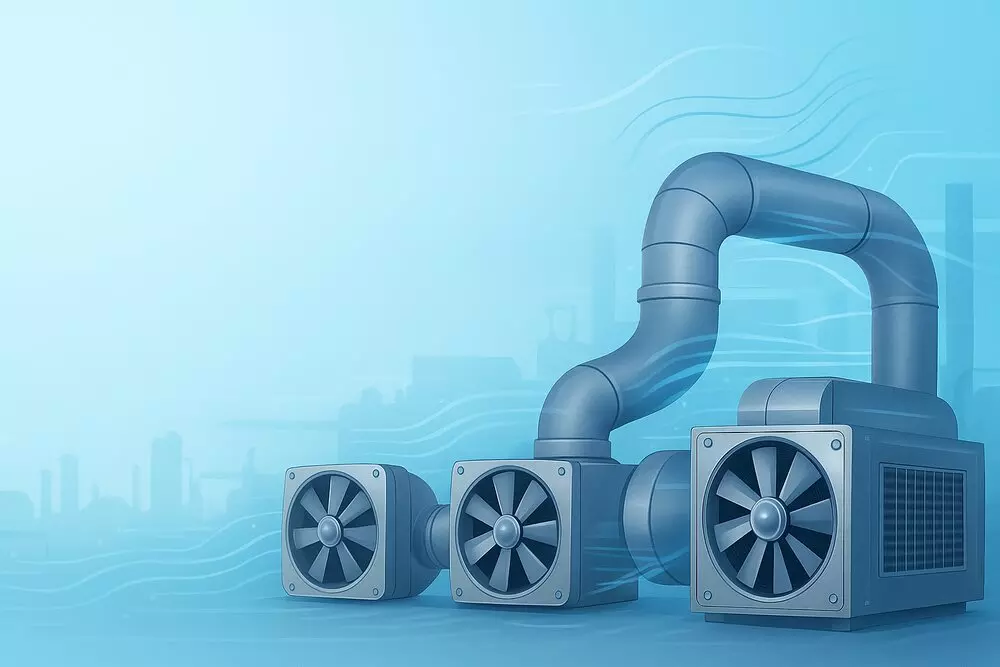
Top 10 Tips for Choosing the Right Ventilation System for Your Industrial Application
Have you ever wondered why some factories stay cool and safe while others struggle with heat and fumes?
What makes one ventilation system work better than another?
The answer lies in choosing the right pressurisation and ventilation system for the right job. It is not always about power or size.
Sometimes, it depends on design, airflow, and control. Picking the wrong one can waste energy and cause safety problems.
So how do you make the best choice? Let us find out together.
Understand Your Industrial Needs
Before a ventilation system is selected, the purpose must be understood clearly. Every industry is built with different working conditions and needs.
The type of process used should be carefully studied first. Heat, smoke, or dust levels must be measured and recorded.
By doing this, the right system can be planned correctly. Mistakes can be avoided when clear information is collected early.
Measure the Size of the Area
The total space must be measured before any system is planned. Accurate measurements are needed to know how much air is required.
When the area is too large, airflow may become weak. Smaller spaces can be over ventilated if not calculated well.
Each corner should be checked so no section is missed. Proper tools are often used to take exact readings.
After the size is known, the right equipment can be selected. Good measurement ensures smooth air movement and steady performance everywhere.
Identify the Type of Contaminants
Before installation is started, the kinds of pollutants must be known. Each industry releases different materials into the air during work.
Some areas may be filled with dust or fine particles. In other places, gases or fumes can be produced daily.
Tests should be done to find what type is present. Once the contaminants are identified, the right filters can be chosen.
Special systems are often designed for certain air impurities.
Read: Industrial Water Treatment Chemical Market
Check Airflow Requirements
Before the system is installed, airflow levels should be tested carefully. Enough air must be moved to keep the area safe.
If airflow is too low, harmful gases may stay inside. Too much airflow can also waste energy and create discomfort.
Air movement should be balanced based on the type of work. Sensors can be used to measure how air travels across spaces.
Once correct airflow is confirmed, performance can be improved easily. With proper testing, a healthy and comfortable workplace can be maintained.
Consider Energy Efficiency
When a ventilation system is planned, energy use must be studied. Systems that consume less power are preferred for long-term savings.
Each part should be checked to see how energy is used. Motors and fans can be chosen with high efficiency in mind.
Energy waste can be reduced through proper design and maintenance. Regular inspections should be done to keep performance steady.
When efficiency is improved, both costs and pollution are lowered. In this way, cleaner air and lower bills are achieved together.
Look for Easy Maintenance
A ventilation system should be chosen with maintenance needs in mind. Filters and fans must be cleaned regularly to work properly.
When parts are easy to reach, repairs are done quickly. Instructions for cleaning should be provided by the manufacturer clearly.
Tools and materials for maintenance should be kept ready at all times. Regular checks are recommended to avoid sudden breakdowns or problems.
Choose Reliable Materials
The materials used in a ventilation system should be strong and durable. Metals and plastics are often selected for long-lasting performance under harsh conditions.
Corrosion and rust must be prevented by using proper protective coatings. Each part should be tested to ensure it can handle high temperatures.
When reliable materials are chosen, repairs and replacements are needed less frequently. Special attention should be given to areas exposed to chemicals or moisture.
Ensure Noise Control
Noise levels should be measured before a ventilation system is installed. Fans and motors can be chosen with low noise production features.
Special dampers are often added to reduce vibrations and sound. Work areas must be checked so that noise is kept minimal.
When quiet materials are used, workers can concentrate better on tasks. Regular inspections are recommended to ensure noise does not increase over time.
Think About Future Expansion
The ventilation system should be planned with future growth in mind. Additional machines or work areas may be added later on.
Space and capacity must be checked before the system is chosen. Extra ducts and vents can be installed to handle new requirements.
When expansion is considered early, costly modifications are avoided later. System controls should be designed to manage increased airflow easily.
Regular evaluations are recommended to adjust the system as needed. Planning for growth ensures the system works efficiently for many years.
Consult an Expert
Before final decisions are made, professional advice should be sought. Experts can evaluate the space and suggest the best system.
Different options are often explained clearly by experienced engineers. Installation plans should be reviewed to avoid common mistakes.
When guidance is received, safety and efficiency are improved greatly. Regular consultations are recommended during system upgrades or changes.
Technical knowledge can be shared to solve complex ventilation problems. By consulting specialists, the right system is chosen with confidence.
FAQS
What is an industrial ventilation system?
It is a system that moves air in a factory or industrial space to keep it clean and safe.
Why do I need a ventilation system?
It removes dust, smoke, and harmful gases to protect workers and equipment.
What types of ventilation systems are there?
There are many types like exhaust fans, air filters, and duct systems.
How do I know which system is best?
It depends on the size of your space and the type of work you do.
Can a small fan be enough?
Small fans may help, but large industrial spaces usually need a full ventilation system.
How much does a ventilation system cost?
Cost depends on the system size and the features you need.
Do ventilation systems save energy?
Yes, some systems are designed to use less power while keeping air clean.
How often should I clean the system?
Regular cleaning is needed to keep it working well and safe.
Can I install it myself?
Some small systems are easy to install, but big industrial systems need professionals.
How do I check if the system is working?
Check airflow, clean filters, and watch for any strange smells or dust in the air.