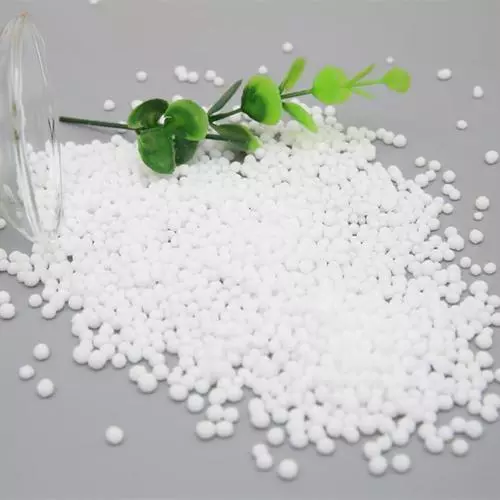
Top 10 Manufacturers in the India Urea Market 2026
Top 10 Manufacturers in the India Urea Market
India is one of the world’s largest producers and consumers of urea fertilizer, making the sector highly strategic for agricultural growth and food security. With rising population, increasing food demand, and government support, the urea industry continues to expand steadily.
The top 10 manufacturers in the India urea market play a crucial role in meeting domestic demand, improving farming productivity, and stabilizing fertilizer supply chains. This article provides a comprehensive overview of the top 10 manufacturers in the India urea market, highlighting their strengths, production capabilities, market presence, and future outlook.
Understanding the India Urea Market
Urea is a nitrogen-rich fertilizer widely used in Indian agriculture. It supports crop yield improvement and soil fertility enhancement. The Indian government strictly regulates the urea sector through subsidies, pricing control, and distribution mechanisms, ensuring affordability for farmers across rural and semi-urban regions.
Read: Top 10 Digital Marketing Agencies in India
Key Market Drivers
- Expanding agricultural activities
- Rising food demand
- Government fertilizer subsidy programs
- Technological advancements in fertilizer manufacturing
- Expansion of irrigation facilities
Top 10 Manufacturers in the India Urea Market
Below are the leading players shaping the competitive landscape of India’s urea industry.
1. Indian Farmers Fertiliser Cooperative Limited (IFFCO)
IFFCO is India’s largest cooperative fertilizer manufacturer and a dominant player in the urea market. With multiple production plants and an extensive rural distribution network, the company ensures widespread availability of urea across farming regions. Its innovation in nano urea technology has significantly enhanced fertilizer efficiency and sustainability.
Key Strengths:
- Strong farmer network
- Large-scale production
- Innovation-driven product portfolio
2. Krishak Bharati Cooperative Limited (KRIBHCO)
KRIBHCO is one of India’s largest fertilizer producers, supplying urea, ammonia, and complex fertilizers. It has established a robust domestic and international presence, ensuring consistent supply and market reliability.
Key Strengths:
- Advanced manufacturing facilities
- Strategic global partnerships
- Strong logistics infrastructure
3. National Fertilizers Limited (NFL)
NFL is a government-owned enterprise and among the largest urea manufacturers in India. With multiple plants across northern and central India, NFL plays a key role in stabilizing fertilizer availability during peak farming seasons.
Key Strengths:
- Government backing
- Reliable production output
- Strong distribution reach
4. Rashtriya Chemicals and Fertilizers Limited (RCF)
RCF is a major public-sector fertilizer producer known for its urea, complex fertilizers, and industrial chemicals. The company focuses heavily on modernization and efficiency improvements.
Key Strengths:
- Integrated production system
- Diverse product portfolio
- Sustainable manufacturing practices
5. Chambal Fertilisers and Chemicals Limited
Chambal Fertilisers is one of the largest private-sector urea producers in India. With advanced production plants and a strong marketing network, the company ensures timely supply to farmers.
Key Strengths:
- High production capacity
- Strong rural marketing
- Efficient logistics
6. Gujarat Narmada Valley Fertilizers & Chemicals Limited (GNFC)
GNFC is a prominent fertilizer and chemical manufacturer. The company focuses on high-quality urea production while maintaining strict environmental and safety standards.
Key Strengths:
- Advanced chemical processing
- Strong R&D focus
- Sustainability initiatives
7. Gujarat State Fertilizers & Chemicals Limited (GSFC)
GSFC plays a vital role in supplying urea and industrial chemicals. It emphasizes modernization, eco-friendly production, and energy-efficient operations.
Key Strengths:
- Innovation-driven operations
- Strong industrial base
- Export presence
8. Mangalore Chemicals and Fertilizers Limited (MCFL)
MCFL is a leading fertilizer manufacturer in southern India, providing consistent urea supply to major agricultural belts.
Key Strengths:
- Strong regional presence
- Efficient supply chain
- Sustainable manufacturing
9. Coromandel International Limited
Coromandel is a diversified agri-solutions company with fertilizer production as a key segment. Its strong market presence and farmer-focused services support agricultural productivity.
Key Strengths:
- Integrated agri-solutions
- Wide distribution network
- Advanced agronomy services
10. Madras Fertilizers Limited (MFL)
MFL is a public-sector fertilizer producer catering mainly to southern India. It supports food security by supplying affordable urea to farmers.
Key Strengths:
- Government support
- Stable production base
- Strong regional distribution
Market Trends Shaping the Urea Industry in India
Technological Innovations
Manufacturers are adopting nano-fertilizers, controlled-release urea, and eco-friendly production methods to improve nutrient efficiency and reduce environmental impact.
Capacity Expansion
Several companies are investing in plant expansions to reduce import dependency and enhance domestic production.
Sustainability Focus
Energy-efficient manufacturing, waste recycling, and carbon reduction initiatives are becoming industry standards.
Future Outlook of the India Urea Market
The future of the urea industry in India looks promising due to rising agricultural demand, favorable government policies, and technological advancements. The top 10 manufacturers in the India urea market are expected to expand capacity, improve efficiency, and adopt green technologies to ensure long-term sustainability.
Growing awareness about soil health, precision farming, and balanced fertilizer use will further shape industry development. The focus will gradually shift from volume-based production to efficiency-driven manufacturing.