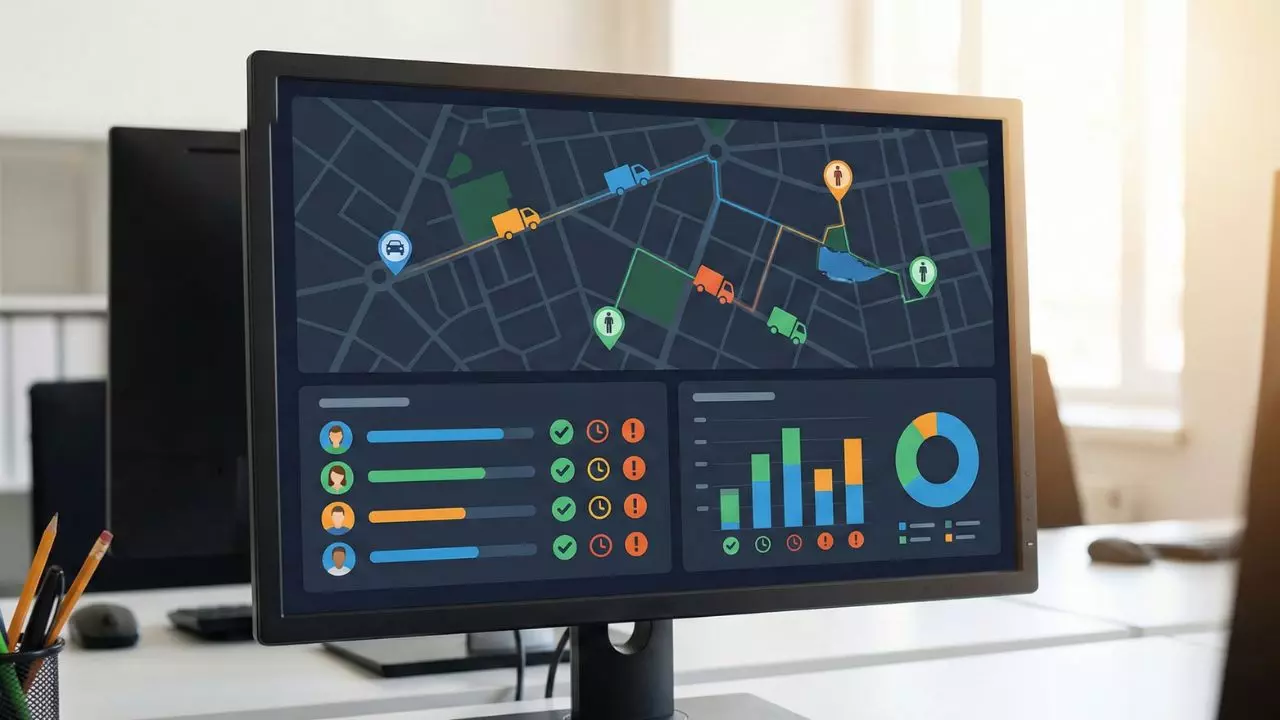
Top 10 Benefits of Using Field Staff Management Software
Managing on-ground teams is never as simple as it looks on paper. Sales representatives, service technicians, delivery personnel, and inspection teams all work outside the office, often across multiple locations.
Without the right systems in place, tracking their work, ensuring accountability, and maintaining service quality becomes difficult. This is where field staff management software plays a practical and measurable role in daily operations.
Instead of relying on phone calls, spreadsheets, or delayed reports, businesses can gain real-time control over field activities. The result is not just better visibility but smoother workflows, stronger team coordination, and more reliable outcomes. Below are the ten most meaningful benefits businesses experience when they move to a structured field management system.
Why Managing Field Teams Is More Complex Than It Looks
Field operations involve moving parts that office-based teams rarely deal with. Staff work independently, schedules change, and conditions on the ground are unpredictable. Common challenges include:
- Limited visibility into daily activities
- Inaccurate attendance and work-hour tracking
- Delayed reporting from the field
- Communication gaps between managers and staff
- Difficulty measuring productivity fairly
These issues do not always show up immediately, but over time they lead to missed deadlines, higher costs, and inconsistent customer experiences. A dedicated system brings order to this complexity.
1. Real-Time Visibility of Field Activities
One of the biggest advantages of using field staff management software is knowing what is happening on the ground as it happens. Managers can see task status, staff locations, and progress updates without interrupting employees with constant check-ins.
Real-time visibility helps teams respond faster when plans change. If a job takes longer than expected or a new task needs urgent attention, decisions can be made immediately instead of hours later. This level of awareness builds confidence and reduces unnecessary delays.
2. Accurate Attendance and Work Hour Tracking
Manual attendance methods often lead to errors, disputes, or even misuse. With automated check-ins and check-outs based on location and time, businesses get reliable records without added effort.
Accurate work-hour tracking supports fair payroll processing and reduces administrative back-and-forth. Employees also benefit because their work hours are recorded clearly, leaving little room for confusion or disagreement.
3. Better Task Assignment and Scheduling
Assigning tasks through messages or calls creates room for misunderstanding. A centralized system allows managers to assign work based on location, availability, and priority.
Clear task details, deadlines, and instructions reduce confusion for field staff. When schedules are structured and visible, teams spend less time asking questions and more time completing work efficiently.
4. Higher Productivity Without Micromanagement
Productivity improves when expectations are clear and progress is visible. Field staff do not need constant supervision when their tasks, timelines, and outcomes are well defined.
Instead of micromanaging, managers can focus on removing obstacles and supporting their teams. Employees feel trusted, which often leads to better performance and higher job satisfaction.
5. Faster and More Reliable Reporting
Delayed reporting is one of the most common issues in field operations. When reports are submitted at the end of the day or week, small problems can turn into larger ones.
With digital reporting, field staff can upload updates, photos, and notes instantly. Managers receive accurate information while it is still useful, allowing them to take action quickly and confidently.
6. Stronger Communication Between Office and Field Teams
Miscommunication leads to rework, missed steps, and frustration on both sides. A single platform for instructions, updates, and feedback keeps everyone aligned.
Instead of juggling calls, messages, and emails, teams communicate in one place. This clarity reduces misunderstandings and creates a clear record of what was communicated and when.
7. Reduced Operational Costs Over Time
While adopting new software requires planning, the long-term cost benefits are clear. Better route planning reduces fuel expenses. Automated processes lower administrative workload. Fewer errors mean less rework and fewer customer complaints.
Over time, these savings add up, making field operations more efficient without increasing headcount or overhead.
8. Data-Driven Decision Making
Daily field activities generate valuable data. When collected and organized properly, this data reveals patterns that are hard to see otherwise.
Managers can identify top performers, spot recurring issues, and plan resources more effectively. Decisions are no longer based on assumptions but on real performance insights gathered over time.
9. Improved Customer Experience
Customers notice when field operations run smoothly. On-time arrivals, clear communication, and faster issue resolution all contribute to better service.
When field teams have clear instructions and real-time support, they are better equipped to meet customer expectations. Consistency across locations builds trust and strengthens long-term relationships.
10. Scalability as Your Field Team Grows
What works for a team of ten often fails for a team of fifty or more. Manual systems struggle to scale, leading to confusion and inefficiencies.
A structured platform supports growth by standardizing processes and maintaining visibility, even as operations expand across new regions or service areas.
How the Right Tool Makes These Benefits Practical
The benefits above become achievable only when supported by a system designed for real-world field operations. Solutions like Upteams field force management software help businesses manage attendance, task assignments, tracking, and reporting within one connected platform. By centralizing field activities, teams gain clarity without adding complexity.
Read: Why Hire a Mobile App Development Company in India
A Smarter Way to Manage Field Operations
If your business relies on on-ground teams, the right tools can make daily operations simpler and more predictable. Exploring a structured solution like Upteams is a practical step toward better visibility, stronger accountability, and smoother execution across your field workforce.
Conclusion
Managing field teams effectively requires more than good intentions and regular check-ins. It demands clear systems, accurate data, and real-time communication. Field staff management software provides a reliable framework to bring all of these elements together.
By improving visibility, productivity, and coordination, businesses can move away from reactive management and toward consistent, scalable operations. For organizations that depend on field teams, adopting the right approach is not just an upgrade but a necessary step forward.