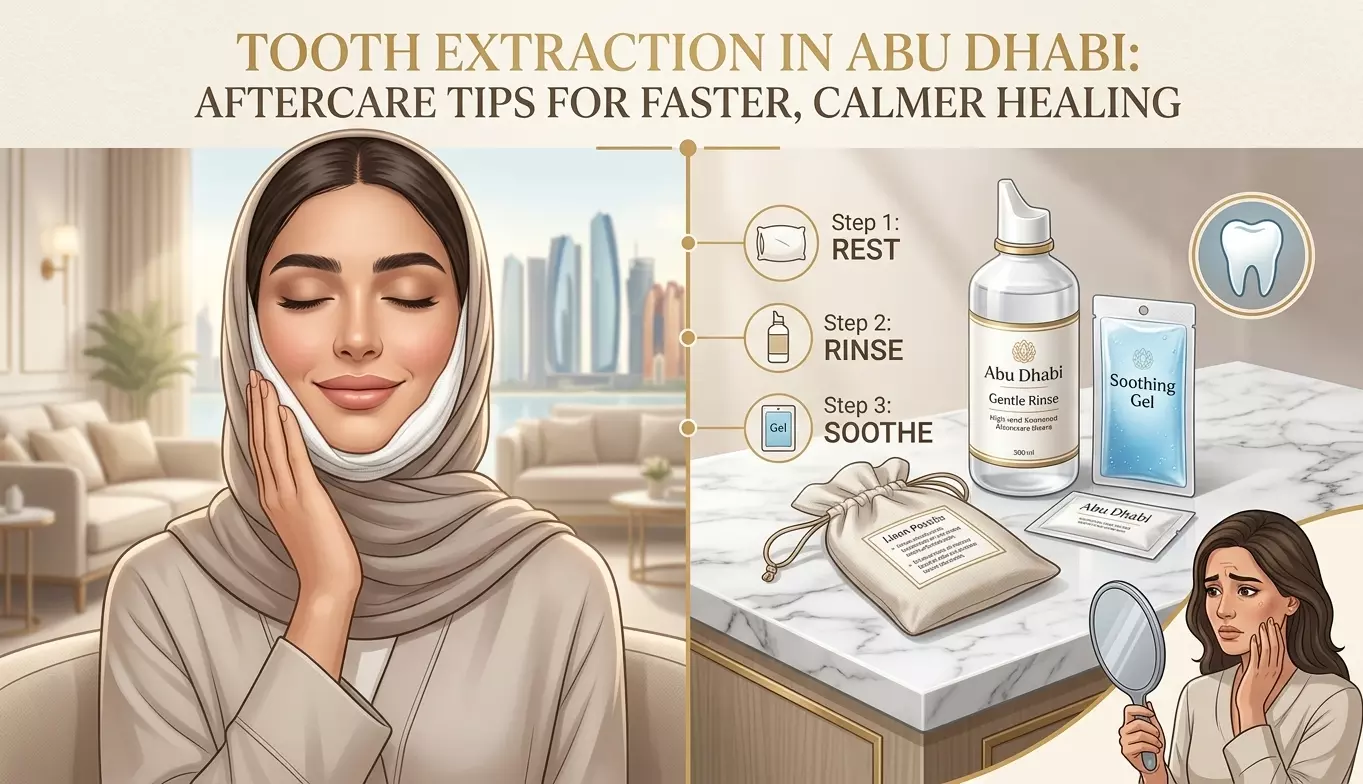
. Tooth Extraction in Abu Dhabi: Aftercare Tips for Faster, Calmer Healing
After having a tooth removed, proper aftercare is essential for comfortable healing and reducing the risk of complications.
Whether the extraction was necessary because of severe decay, damage, infection, or overcrowding, following your dentist's instructions can help protect the extraction site.
If you are considering Tooth Extraction in Abu Dhabi, understanding what to do after the procedure can make recovery less stressful. Simple steps such as resting, choosing soft foods, and keeping the area clean can support healing while helping you return to your normal routine safely.
Why Is Aftercare Important After Tooth Extraction?
After a tooth is removed, a blood clot forms in the empty socket. This clot protects the underlying bone and nerves while the body begins repairing the tissue. Disturbing it too early may delay healing or lead to a painful condition called dry socket.
Following your dentist's aftercare instructions helps protect the clot and reduce the likelihood of complications. Mild discomfort, swelling, and a small amount of bleeding can occur after an extraction.
However, symptoms should gradually improve rather than become more severe. Knowing how to care for the area can help you recover more comfortably.
Control Bleeding During the First Few Hours
Some bleeding or pink-tinged saliva is normal during the first few hours after an extraction. Your dentist may place gauze over the socket and ask you to bite down firmly for a specified period.
If bleeding continues, follow the dentist's instructions about replacing the gauze and maintaining gentle, steady pressure. Avoid repeatedly checking the socket, spitting forcefully, or rinsing vigorously because these actions may disturb the blood clot.
Sit upright and rest while the bleeding settles. If heavy bleeding continues despite firm pressure, contact your dentist promptly for advice.
Protect the Blood Clot to Prevent Dry Socket
Protecting the blood clot is one of the most important parts of recovery. Avoid drinking through a straw, forceful spitting, vigorous rinsing, and smoking during the early healing period. These activities can interfere with clot stability and increase the risk of dry socket.
Dry socket may cause significant pain that develops or worsens a few days after extraction, sometimes spreading toward the ear or jaw.
If you experience severe or increasing pain, an unpleasant taste, or persistent bad breath, contact your dentist. Prompt assessment can help identify the problem and provide appropriate treatment.
Choose Soft Foods for Comfortable Healing
Eating soft foods can reduce pressure on the extraction site while your mouth heals. Suitable choices may include yoghurt, mashed potatoes, scrambled eggs, soft pasta, lukewarm soup, and smoothies eaten with a spoon rather than through a straw.
Avoid very hot foods and drinks while the area is still numb, as you could accidentally burn or bite your mouth. Hard, crunchy, sticky, and spicy foods may irritate the socket, particularly during the first few days.
Gradually return to your usual diet as comfort improves, and chew on the opposite side when possible.
Manage Swelling and Discomfort Safely
Mild swelling and soreness are common after tooth extraction, particularly following a more complex procedure.
Applying a cold pack to the outside of your cheek in short intervals during the first 24 hours may help reduce swelling. Rest and avoid strenuous exercise during the initial recovery period, following your dentist's advice.
If medication is recommended, take it exactly as directed and check with your dentist or pharmacist if you have questions about side effects or interactions.
Do not place aspirin directly on the extraction site, as it may irritate the tissue. Contact your dentist if pain or swelling becomes increasingly severe.
Maintain Oral Hygiene Without Disturbing the Socket
Keeping your mouth clean helps reduce the accumulation of plaque and supports healing. Brush your other teeth gently, taking care not to touch the extraction site directly during the early recovery period.
Your dentist may recommend beginning gentle warm saltwater rinses after the first 24 hours, provided this is appropriate for your procedure. Allow the liquid to move gently around your mouth instead of swishing forcefully, then let it fall out without vigorous spitting.
Continue your regular oral hygiene routine as healing progresses. If you are unsure when to resume a particular cleaning activity, ask your dentist for personalised guidance.
Read: How AI and Technology Are Transforming Oral Healthcare
Avoid Smoking and Alcohol During Recovery
Smoking can interfere with healing and increase the risk of complications, including dry socket. It is best to avoid smoking and vaping during recovery, following your dentist's recommended timeframe.
Alcohol may also interfere with healing or interact with prescribed medication, so avoid it during the period advised by your dental professional.
If you have received sedation or are taking medication that causes drowsiness, follow the specific safety instructions provided by your dentist. Giving your body time to recover, staying hydrated, and avoiding habits that irritate the extraction site can help support a smoother healing process.
When Should You Contact a Dentist?
Although mild discomfort is expected, certain symptoms require professional attention.
Contact your dentist if you develop worsening pain, persistent bleeding, increasing swelling, pus, fever, or a bad taste accompanied by other concerning symptoms. Difficulty swallowing or breathing, or rapidly spreading swelling around the mouth or neck, requires emergency medical attention.
Do not attempt to treat serious complications using home remedies alone. If you need Dental check-up services in Abu Dhabi, a follow-up appointment can help your dentist assess healing and address any concerns.
Early professional advice is particularly important if you have a medical condition that may affect recovery.
Understanding Tooth Replacement After Extraction
Removing a tooth may sometimes be followed by a discussion about replacing it, depending on its location and your oral health needs.
Leaving a gap can affect chewing or allow nearby teeth to shift in some circumstances. Your dentist may discuss options such as dental implants, bridges, or dentures once the extraction site has been assessed.
Not every extracted tooth needs replacement, and the appropriate timing varies according to the reason for extraction and the healing process. If replacement is recommended, ask about the benefits, risks, expected costs, and treatment timeline before making a decision.
Choosing Professional Tooth Extraction Services in Abu Dhabi
A safe recovery begins with appropriate treatment and clear aftercare guidance. When seeking Tooth Extraction in Abu Dhabi, choose a qualified dental professional who can assess the tooth, explain the procedure, and discuss possible risks.
Your dentist should also provide instructions tailored to whether the extraction was simple or surgical. Follow-up care may be needed if the tooth was impacted or the procedure was more complex.
Understanding what to expect before and after extraction can reduce anxiety and help you recognise when professional support is necessary.
Frequently Asked Questions
How long does it take to recover after a tooth extraction?
Initial healing often takes one to two weeks, although deeper bone healing takes longer. Recovery depends on the complexity of the extraction and your general health.
When can I brush my teeth after extraction?
You can generally brush your other teeth carefully on the same day, avoiding the socket. Follow your dentist's specific instructions for cleaning the extraction area.
Conclusion
- Follow your dentist's instructions carefully to support healing after tooth extraction.
- Protect the blood clot by avoiding straws, smoking, vigorous rinsing, and forceful spitting.
- Choose soft foods, rest, and manage discomfort using dentist-approved methods.
- Maintain gentle oral hygiene and monitor the extraction site for signs of complications.
- Seek professional advice for worsening pain, persistent bleeding, fever, or increasing swelling to help ensure a safe recovery.