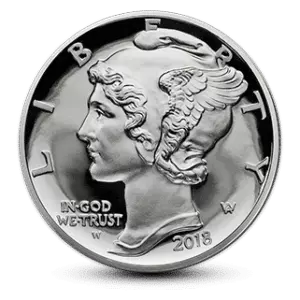
Thinking to Purchase Silver Coins? Read This Before You Jump In
Silver doesn’t shout like gold. It doesn’t flex. It just sits there, solid, patient, a little underrated. And that’s kind of the point.
If you’re here because you’re thinking about whether to purchase silver coins, you’re probably not chasing hype. You want something real. Something you can hold. Something that doesn’t disappear when markets get weird or currencies start wobbling. Silver has been doing that quiet job for centuries, and it’s still doing it now.
This isn’t a glossy sales pitch. It’s a straight talk blog. A bit rough around the edges, like real conversations usually are.

1. Why Silver Coins Still Make Sense Today
Let’s be honest. The world feels unstable sometimes. Inflation creeps in. Markets swing hard. And paper assets? They depend on trust, systems, and people behaving well. That’s not always a safe bet.
Silver coins sit outside all that noise. They’re part of the broader precious metals space, which means they’ve historically held value when other things didn’t. Silver isn’t rare like gold, but that’s actually part of the appeal. It’s more accessible. You don’t need deep pockets to get started.
And no, silver isn’t some magic shield. Prices move. Sometimes down. But long term, it’s proven it belongs in serious conversations about wealth protection.
2. Physical Silver vs “Paper” Silver
This part matters more than people think.
When you purchase silver coins, you own the metal. Period. It’s yours. Not a promise. Not a digital number tied to ten other contracts.
Paper silver, like ETFs or futures, has its place. But it’s layered with risk. Counterparty risk. Market mechanics. Rules that can change overnight.
Holding physical silver is simpler. You buy it. You store it. You decide when to sell. No middlemen asking permission.
That simplicity is underrated.
3. Coins vs Bars: Why Coins Often Win
Bars are fine. They’re efficient. But coins have some clear advantages.
Silver coins are easier to sell. More recognizable. More trusted by dealers and private buyers alike. They also come in smaller denominations, which gives you flexibility later.
Need to sell a little, not everything? Coins make that easier.
Some coins also carry slight premiums due to demand, mint reputation, or collectibility. Not always, but often enough to matter.
4. Understanding Purity and Weight (Without the Headache)
You don’t need to be a metallurgist. You just need to know the basics.
Most investment-grade silver coins are .999 fine silver. That means 99.9% pure. That’s the standard. Stick to it unless you really know what you’re doing.
Weight matters too. One troy ounce is the norm. Don’t confuse it with regular ounces. That mistake happens more than you’d think.
When people talk about precious metals, this purity and weight standard is what keeps everything fair and transparent.
5. Price Isn’t Just Spot Price
Here’s where people get tripped up.
The spot price of silver is the base. But when you purchase silver coins, you’ll pay a premium over spot. That covers minting, distribution, and dealer margins.
This isn’t a scam. It’s reality.
What matters is whether the premium makes sense. Reputable dealers are transparent about it. Shady ones hide it in confusing pricing.
Always look at total cost per ounce. That’s the real number.
6. Timing the Market (Or Not)
Everyone wants to buy at the bottom. Almost no one actually does.
Trying to time silver perfectly usually leads to hesitation, missed opportunities, and frustration. A more realistic approach? Buying gradually.
Many experienced precious metals investors spread purchases over time. That smooths out price swings and removes emotional decision-making.
Silver isn’t a get-rich-quick play. If that’s what you want, you’re in the wrong aisle.
Read: A Complete Guide to Selling Old Coins in Mumbai
7. Storage: The Part Nobody Likes Talking About
Once you own silver, you have to store it. Simple, but important.
Home safes work for many people. So do bank safety deposit boxes. Some prefer third-party vaults.
There’s no perfect answer. Just don’t treat storage as an afterthought. Silver is compact. It adds up fast. And yes, it’s real value sitting in one place.
Respect that.
8. Liquidity: How Easy Is It to Sell Later?
This is one reason silver coins shine.
They’re widely recognized. Dealers buy them. Private buyers understand them. You don’t need to explain what you’re selling.
That liquidity matters. Especially during times when precious metals demand spikes and everyone suddenly remembers why they wanted physical assets in the first place.
If you ever need to exit, coins make the process smoother.
9. Silver’s Role Inside Precious Metals
Silver doesn’t replace gold. It complements it.
Within precious metals, silver often behaves differently than gold. It has industrial demand. It reacts to economic cycles in its own way. That diversity is useful.
Some investors lean heavier into silver because of its lower entry point. Others balance it with gold. There’s no single “correct” mix.
What matters is understanding why silver is there and what job it’s doing for you.
10. Where You Buy Matters More Than You Think
This might be the most important point.
Not all sellers are equal. Trust matters. Transparency matters. Clear pricing matters.
A reliable dealer should make the process boring, honestly. No pressure. No gimmicks. Just clean information and real metal.
That’s how long-term relationships are built in this space.

Frequently Asked Questions
1. Is now a good time to purchase silver coins?
There’s no perfect time. Silver prices move. What matters more is your reason for buying and your time horizon. If you’re thinking long term, small timing differences usually matter less than people think.
2. Are silver coins better than silver jewelry or collectibles?
For investment purposes, yes. Investment-grade silver coins are standardized, easier to value, and far more liquid than jewelry or niche collectibles.
3. How much silver should a beginner start with?
Start where you’re comfortable. Some people begin with a few ounces, others with more. The key is understanding what you’re buying and why.
4. Can silver really protect against inflation?
Historically, silver and other precious metals have helped preserve purchasing power over long periods. It’s not perfect, but it’s proven.