The Value of Bronchoalveolar Lavage Fluid Cells in Pulmonary Immunology Research
Pulmonary diseases remain a major global health challenge, affecting millions of individuals worldwide. Conditions such as chronic obstructive pulmonary disease (COPD), asthma, interstitial lung disease, and respiratory infections involve complex interactions between immune cells and lung tissues.
To better understand these mechanisms, researchers increasingly rely on bronchoalveolar lavage fluid as a valuable source of biological material.
Among its many components, bronchoalveolar lavage fluid samples provide critical insights into immune responses occurring within the lungs.
These cells enable scientists to investigate inflammation, disease progression, immune regulation, and therapeutic responses directly at the site of disease. As a result, bronchoalveolar lavage fluid has become an essential resource in pulmonary immunology research.
Understanding Bronchoalveolar Lavage Fluid
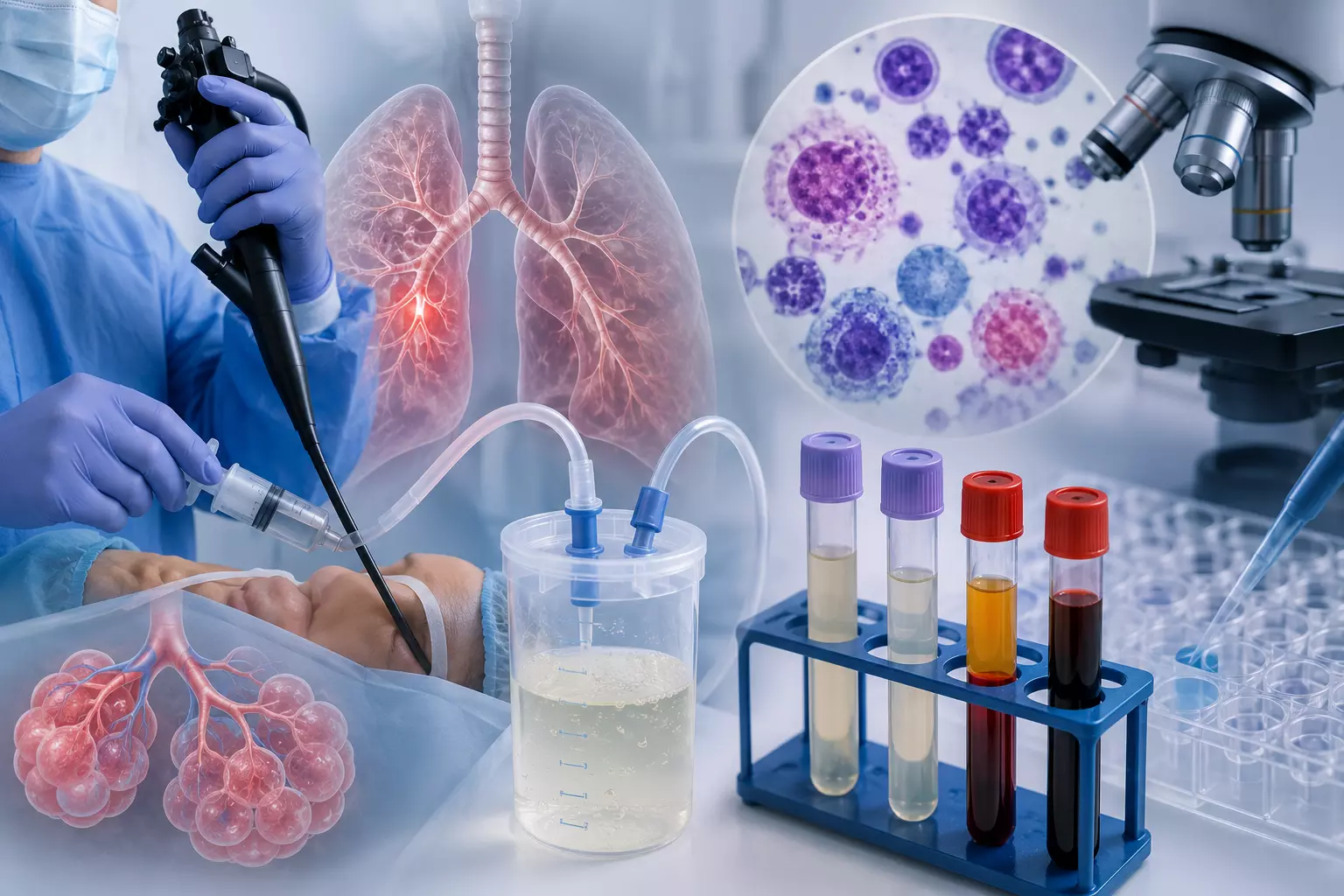
Bronchoalveolar lavage (BAL) is a procedure performed during bronchoscopy in which sterile saline is introduced into a segment of the lung and then recollected for analysis. The recovered fluid contains a mixture of immune cells, proteins, cytokines, microorganisms, and other molecular components that reflect the local pulmonary environment.
Because bronchoalveolar lavage fluid originates directly from the lower respiratory tract, it provides researchers with unique access to biological processes occurring within the lungs. This makes BAL samples particularly valuable when investigating respiratory diseases and immune-mediated conditions.
Why Bronchoalveolar Lavage Fluid Cells Matter
The cellular component of BAL samples is especially important for pulmonary immunology studies. Bronchoalveolar lavage fluid cells include:
- Alveolar macrophages
- Neutrophils
- Lymphocytes
- Eosinophils
- Dendritic cells
- Other immune cell populations
These cells play key roles in maintaining lung health and responding to environmental challenges such as allergens, pathogens, pollutants, and cigarette smoke.
By studying these cellular populations, researchers can identify immune pathways involved in disease development and progression. Changes in cell composition often provide valuable clues about the underlying mechanisms driving respiratory disorders.
Applications in Pulmonary Immunology Research
Investigating Lung Inflammation
Inflammation is a central feature of many pulmonary diseases. Researchers use bronchoalveolar lavage fluid analysis to characterize inflammatory cell populations and evaluate the release of cytokines and chemokines.
For example, elevated neutrophil levels may indicate chronic inflammation, while increased eosinophils are commonly associated with certain forms of asthma. Understanding these patterns helps scientists identify potential therapeutic targets and improve disease classification.
Understanding Host Immune Responses
The lungs are constantly exposed to airborne particles, microbes, and environmental toxins. Immune cells found in BAL samples provide a direct window into how the body responds to these challenges.
Researchers can evaluate immune cell activation, signaling pathways, and cellular interactions using bronchoalveolar lavage fluid cells. These studies contribute to the development of novel immunotherapies and targeted treatment approaches for respiratory diseases.
Biomarker Discovery
Pulmonary immunology researchers frequently use BAL specimens to discover biomarkers associated with disease severity, treatment response, and prognosis.
Combining cellular data with molecular findings from bronchoalveolar lavage fluid analysis enables investigators to identify potential diagnostic markers that may support earlier detection and personalized treatment strategies.
The Role of BAL Samples in COPD Research
One of the most important applications of BAL specimens is in bronchoalveolar lavage fluid COPD research.
COPD is characterized by chronic airway inflammation, tissue destruction, and impaired lung function. Despite significant advances in treatment, many questions remain regarding disease progression and patient-specific responses to therapy.
Researchers studying COPD often examine BAL samples to:
- Quantify inflammatory cell populations
- Investigate macrophage dysfunction
- Analyze neutrophil activity
- Measure cytokine expression
- Evaluate oxidative stress pathways
Through bronchoalveolar lavage fluid COPD research, scientists can better understand the mechanisms responsible for airway damage and identify novel therapeutic targets aimed at reducing inflammation and preserving lung function.
Read: Top 10 Super Healthy Foods to Include in Your Diet
Advantages of Bronchoalveolar Lavage Fluid Analysis
Access to the Site of Disease
Unlike peripheral blood samples, BAL specimens provide information directly from the lower respiratory tract. This localized perspective is particularly valuable when studying diseases that primarily affect the lungs.
Comprehensive Cellular Information
Bronchoalveolar lavage fluid analysis allows researchers to examine multiple immune cell populations simultaneously. Advanced techniques such as flow cytometry, single-cell sequencing, and immunophenotyping can provide detailed insights into cellular behavior and immune regulation.
Support for Translational Research
BAL-derived cells help bridge the gap between laboratory discoveries and clinical applications. Findings obtained from these specimens often contribute to the development of new diagnostics, biomarkers, and therapeutic interventions.
The Importance of Matched Biospecimen Collections
Modern pulmonary research increasingly relies on integrated biospecimen datasets. For this reason, many investigators seek BAL samples with matched serum and plasma.
Matched collections enable researchers to compare local immune responses occurring within the lungs with systemic responses measured in blood-derived samples. This comprehensive approach offers several advantages:
- Improved biomarker validation
- Enhanced understanding of disease mechanisms
- Better assessment of treatment effects
- More robust translational research outcomes
When researchers have access to BAL samples with matched serum and plasma, they can generate more complete datasets and gain deeper insights into pulmonary disease biology.
Supporting Drug Development and Precision Medicine
The growing interest in precision medicine has increased demand for high-quality pulmonary biospecimens. Researchers developing targeted therapies need access to biological samples that accurately reflect patient-specific disease processes.
Bronchoalveolar lavage fluid cells play a crucial role in evaluating how different immune cell populations respond to experimental treatments. These findings help pharmaceutical and biotechnology companies identify promising therapeutic candidates and optimize clinical trial strategies.
Additionally, BAL-derived data can support patient stratification efforts by identifying distinct immune signatures associated with treatment responsiveness.
Choosing High-Quality BAL Samples for Research
The value of any pulmonary immunology study depends heavily on specimen quality. Researchers should consider several factors when sourcing BAL samples:
- Detailed donor clinical information
- Proper collection and processing procedures
- Cell viability and recovery rates
- Availability of matched biospecimens
- Comprehensive quality control documentation
Access to well-characterized bronchoalveolar lavage fluid samples helps ensure reliable and reproducible research outcomes.
Conclusion
As pulmonary diseases continue to present significant healthcare challenges, the need for high-quality research specimens remains greater than ever. Bronchoalveolar lavage fluid cells provide an unparalleled view of immune activity within the lungs, making them indispensable tools for pulmonary immunology research.
Through advanced bronchoalveolar lavage fluid analysis, researchers can investigate inflammatory pathways, discover biomarkers, study immune responses, and accelerate therapeutic development. Furthermore, BAL samples with matched serum and plasma offer valuable opportunities to connect local and systemic biological findings.
From asthma and infectious diseases to bronchoalveolar lavage fluid COPD research, these specialized biospecimens continue to drive scientific discoveries that improve our understanding of lung disease and support the development of more effective treatments for patients worldwide.