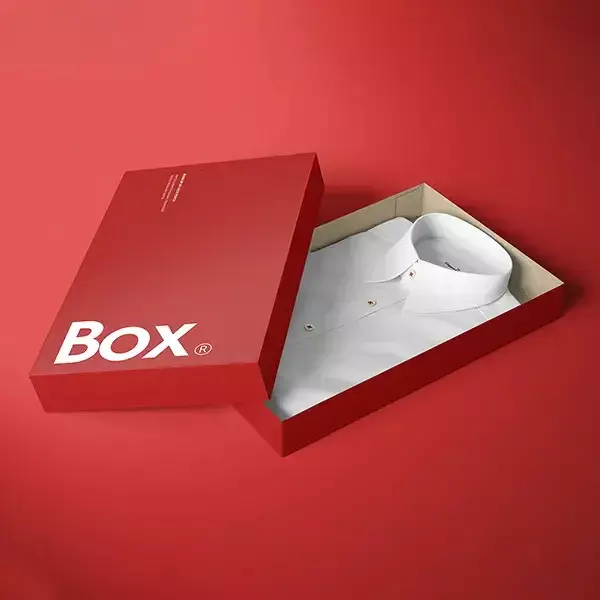
The Ultimate Step-by-Step Guide to Designing Custom Clothing Boxes
Creating memorable Custom Clothing Boxes involves much more than placing a garment inside a container. Packaging has evolved into a powerful branding instrument that shapes customer perception, strengthens identity, and enhances the unboxing moment.
Whether you run a fashion label, a boutique, or an online apparel store, your packaging choices can increase value, build trust, and influence buying decisions. This guide walks you through a detailed, step-by-step process to help you design impactful apparel packaging boxes while maximizing brand recognition, product protection, and presentation quality.
Why Custom Clothing Boxes Matter
The first few seconds a customer spends interacting with your clothing box can define their impression of your brand. Well-designed Custom Clothing Packaging Boxes serve multiple purposes. They protect your apparel, communicate quality, highlight your brand personality, and differentiate your products from competitors. At the same time, thoughtful packaging encourages repeat purchases by reinforcing a positive experience.
In an increasingly visual shopping landscape, especially with social media and unboxing culture, brands can no longer treat packaging as an afterthought. Custom packaging boxes with logo instantly elevate perceived value, turning a simple product delivery into a memorable exchange.
Step 1: Define the Purpose of Your Packaging
Before jumping into design elements, begin by defining why you need apparel packaging. Understanding the purpose ensures the final product aligns with your brand goals.
Some common functions of Apparel Packaging boxes include:
- Protecting delicate fabrics during shipping or handling
- Enhancing retail display presentation
- Creating a unified brand image for online and offline sales
- Encouraging social sharing through attractive and photogenic packaging
- Supporting sustainability efforts with eco-friendly material choices
Clarifying these needs will guide decisions on size, style, materials, printing, and finishes.
Step 2: Select the Right Materials
Material selection is one of the most foundational choices when creating Branded Clothing Packaging Boxes. Different materials serve different purposes, depending on your brand identity and your packaging’s required durability.
Common material options include:
- Rigid Paperboard: Ideal for luxury apparel, accessories, and premium branding. This material adds weight and sturdiness while supporting high-end finishes.
- Corrugated Cardboard: Best for e-commerce shipments because of its strength and impact resistance.
- Kraft Paperboard: Eco-friendly and great for brands focusing on sustainability.
- Foldable Carton Stock: Lightweight, cost-efficient, and suitable for retail presentation.
Material choice affects printing, finish, sustainability, and customer experience, so consider both aesthetic and functional demands.
Step 3: Determine the Box Style
Once the materials are chosen, select the box structure. The structure you choose influences assembly, durability, and visual impression.
Popular styles for Custom Clothing Boxes include:
- Two-Piece Rigid Boxes for premium garments like suits, dresses, and winterwear
- Magnetic Closure Boxes for luxury lines or special collections
- Mailer Boxes for e-commerce apparel and subscription clothing brands
- Foldable Tuck-End Boxes for retail clothing packaging that requires flexibility
- Drawer-Style Boxes for boutique presentations and exclusive items
Each style enhances the customer experience differently, so consider what your brand wants users to feel when opening the box.
Step 4: Build a Strong Visual Identity
Your clothing box acts as a silent ambassador of your brand. Every element, from color selection to typography, should reflect your brand’s personality and target audience.
Focus on:
- Color Palette that aligns with your brand recognition
- Typography that communicates professionalism or creativity, depending on your niche
- Minimalistic or bold artwork, depending on the clothing category
- Your brand logo, placed effectively for maximum recall
High-quality printing is essential here. Many brands opt for Custom Printed Clothing Boxes to ensure clarity, vibrancy, and long-lasting appeal.
Read: Discover the Best Better with Age Clothing: Stylish Pants
Step 5: Add Finishes to Enhance Appeal
Luxury and texture finishes add depth, tactility, and sophistication to apparel packaging. The right finish can transform a basic box into an experiential showcase.
Popular finishing options include:
- Spot UV
- Embossing and debossing
- Soft-touch lamination
- Foil stamping
- Matte or gloss coating
- Inside printing for enhanced unboxing
These finishes make your boxes feel more deliberate and upscale, improving the perception of the apparel inside. Brands focused on premium quality often pair luxury finishes with sturdy rigid boxes for maximum impact.
Step 6: Focus on Practicality and Functionality
Beautiful packaging is important, but it must also function effectively. Practical design ensures smooth logistics, positive customer experience, and cost efficiency.
Consider aspects such as:
- Ease of assembly to save time and labor
- Stackability for warehouse storage
- Durability to withstand shipping pressures
- Correct sizing to avoid excess material use
- Eco-friendly options for sustainable brand messaging
Many businesses ordering Packaging Boxes Wholesale also optimize dimensions to reduce shipping fees and material waste.
Step 7: Strengthen Branding with Inserts and Add-Ons
Inserts help secure items, improve presentation, and elevate the unboxing ritual. Clothing especially benefits from inserts that keep garments neat.
Add-ons may include:
- Die-cut inserts
- Tissue paper
- Fabric pouches
- Ribbons and sleeves
- Custom messaging on inner panels
These elements can turn simple packaging into an engaging brand statement. They also encourage customers to share their unboxing experiences online, increasing organic brand reach.
Step 8: Partner with a Reliable Packaging Supplier
Choosing the right packaging manufacturer determines the success of your design. Experience, material quality, print technology, and customization capabilities can drastically affect the outcome.
A trusted partner ensures:
- Consistent quality
- Accurate printing of artwork
- Competitive Packaging Boxes Wholesale pricing
- Fast turnaround times
- Support for custom packaging boxes with logo
Reliable suppliers also provide structural prototypes, helping you test the box before full production.
Step 9: Order Samples and Test the Packaging
Before finalizing your custom clothing packaging boxes, always examine physical samples. This allows you to inspect color accuracy, box strength, alignment, material quality, and finishing precision.
Testing helps ensure:
- The box protects the apparel
- The user experience matches your brand vision
- The structure withstands shipping conditions
- The size accommodates your products comfortably
Sampling avoids costly mistakes and ensures the final design delivers the intended impact.
Step 10: Launch Your Packaging with Confidence
Once testing is complete and all elements align with your brand values, you can proceed with full production. Custom Clothing Boxes are not just packaging; they are an investment in brand storytelling, long-term recognition, and elevated customer interaction.
As the apparel industry continues evolving, brands that prioritize thoughtful packaging will remain memorable and relevant. Each design choice represents an opportunity to showcase craftsmanship, express creativity, and deliver a more refined shopping experience. As you refine your packaging approach, consider how each detail will shape the next interaction between your brand and your customers.
Get Custom Clothing Boxes Quote
Explore Luxury Finishes by Aqua Printers