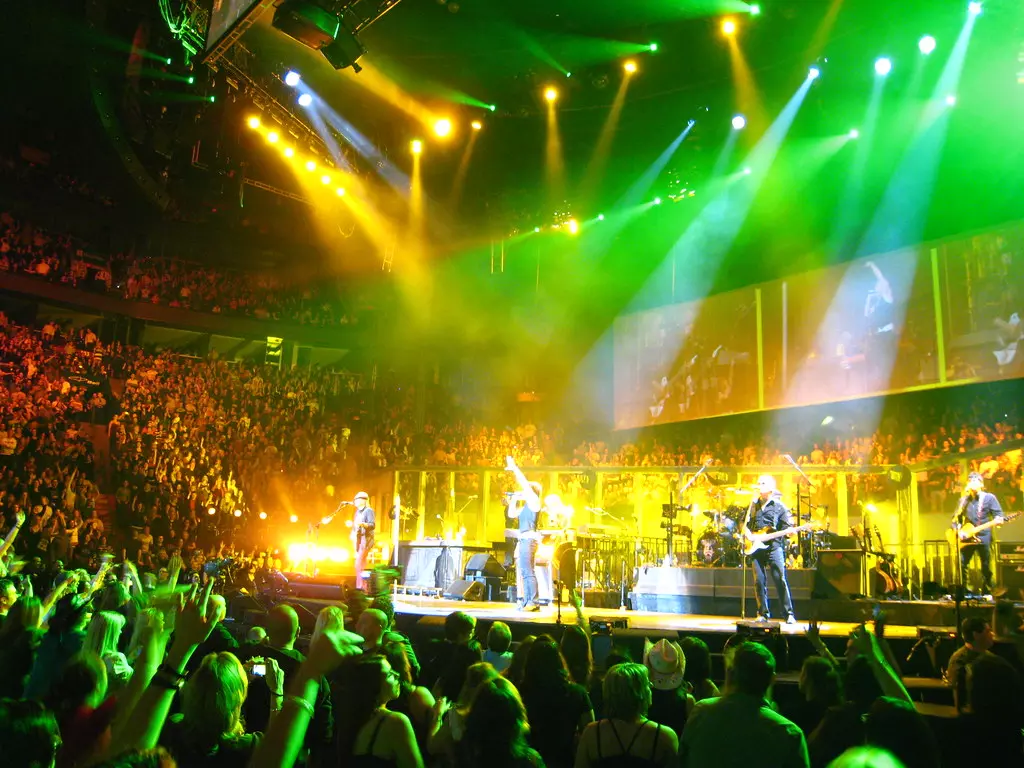
The Ultimate Guide to Setting Up a Concert Stage
Setting up a concert stage is an exciting yet detailed process that requires careful planning and execution. If you want to set up a concrete stage, you must follow these easy steps.
The first step is designing the stage layout to ensure space for performers and equipment. Then, gathering the right equipment, including sound systems, lighting, and stage structure, is essential. Once you have your gear, the stage construction begins, and the audio and lighting systems are set up. Finally, don't forget the final touches, such as safety measures and rehearsals. Proper concert staging ensures that performers and the audience enjoy the best experience.
Step-by-Step Process to Set Up a Concert Stage
Here’s a comprehensive process to set up a concrete stage:
1. Planning and Design
Before you even begin setting up, proper planning is vital. The stage design should meet the needs of the event, the artists, and the audience. Here are some important things to consider:
- Space Requirements: Make enough room for the performers, crew, and equipment.
- Audience Visibility: Consider how the audience will view the stage from different angles.
- Stage Layout: The layout should accommodate all performers, instruments, and lighting without overcrowding.
2. Gathering Equipment for Concert Staging
Choosing the right equipment is fundamental when setting up a concert stage. Depending on the size and scale of your event, you may need:
- Stage Structure: This includes the platform, backdrops, and raised sections.
- Sound System: Speakers, microphones, and amplifiers are essential for clear audio.
- Lighting: Proper lighting is not only for visibility but to create the right atmosphere for the performance.
- Special Effects: Fog machines, lasers, and other special effects can enhance the concert experience.
3. Stage Construction: Setting Up the Framework
Once you have your equipment ready, the next step is to build the physical stage. Here’s a step-by-step guide:
- Stage Platform Setup: Begin by constructing a sturdy platform. The platform must support both the performers and the weight of any equipment.
- Backdrop and Side Wings: Add any necessary backdrops or side wings to give the stage a professional look.
- Risers and Levels: If your event requires it, set up risers or different levels on the stage to better view the performers.
4. Setting Up Audio and Lighting Equipment
Now comes the critical part of setting up the sound and lights. A concert stage is incomplete without these vital elements. Here’s how to ensure everything runs smoothly:
- Sound Equipment: Place the speakers strategically on the stage for even sound distribution. Ensure that the microphones are set up according to the performers' needs.
- Lighting: Set up your lighting fixtures to highlight the performers and create the desired atmosphere. Stage lights should be positioned to avoid blinding the performers and provide enough audience visibility.
- Test Everything: Before the event starts, test the sound and lighting. A technical rehearsal can help avoid last-minute issues.
5. Final Touches: Ensuring Safety and Comfort
After everything is set up, don’t forget the final details. Here are some steps to ensure the event runs smoothly:
- Safety Measures: To avoid accidents, ensure that all electrical wires are properly hidden or secured. Also, set up fire extinguishers and first aid kits in accessible locations.
- Audience Comfort: Make sure the audience area is comfortable, with proper seating (if applicable) and clear sightlines.
- Rehearsal: Perform a final walkthrough with the performers to ensure everything is running smoothly.
Benefits of Concrete Staging
Concrete staging is becoming an increasingly popular choice for large-scale concerts and events. There are several advantages to using concrete as a material for your stage. Here’s why it’s a great option:
- Durability: Concrete is extremely strong and can withstand the weight of heavy equipment, performers, and large crowds without compromising safety.
- Stability: Unlike temporary wooden or metal stages, concrete offers exceptional stability, making it ideal for high-energy performances or events with large sound systems and special effects.
- Weather Resistance: Concrete is more resistant to extreme weather conditions, such as rain or high winds, making it a reliable option for outdoor concerts.
- Longevity: Concrete stages can last for years, even with frequent use, making them a cost-effective long-term solution for event organizers.
- Aesthetic Appeal: Concrete can be shaped and styled to match the event's theme, offering a sleek and modern look for any concert or performance.
Conclusion
Setting up a concert stage is a detailed process that involves planning, gathering equipment, and constructing a safe and functional environment. With careful consideration of the stage design, equipment, and safety, you can create a memorable experience for both performers and the audience.
Don’t forget to test everything before the event to avoid any surprises. As you now know, concert staging is essential to organizing a successful live performance. By following these steps, you can ensure that your concert stage is ready for action.
Click here and read more blogs