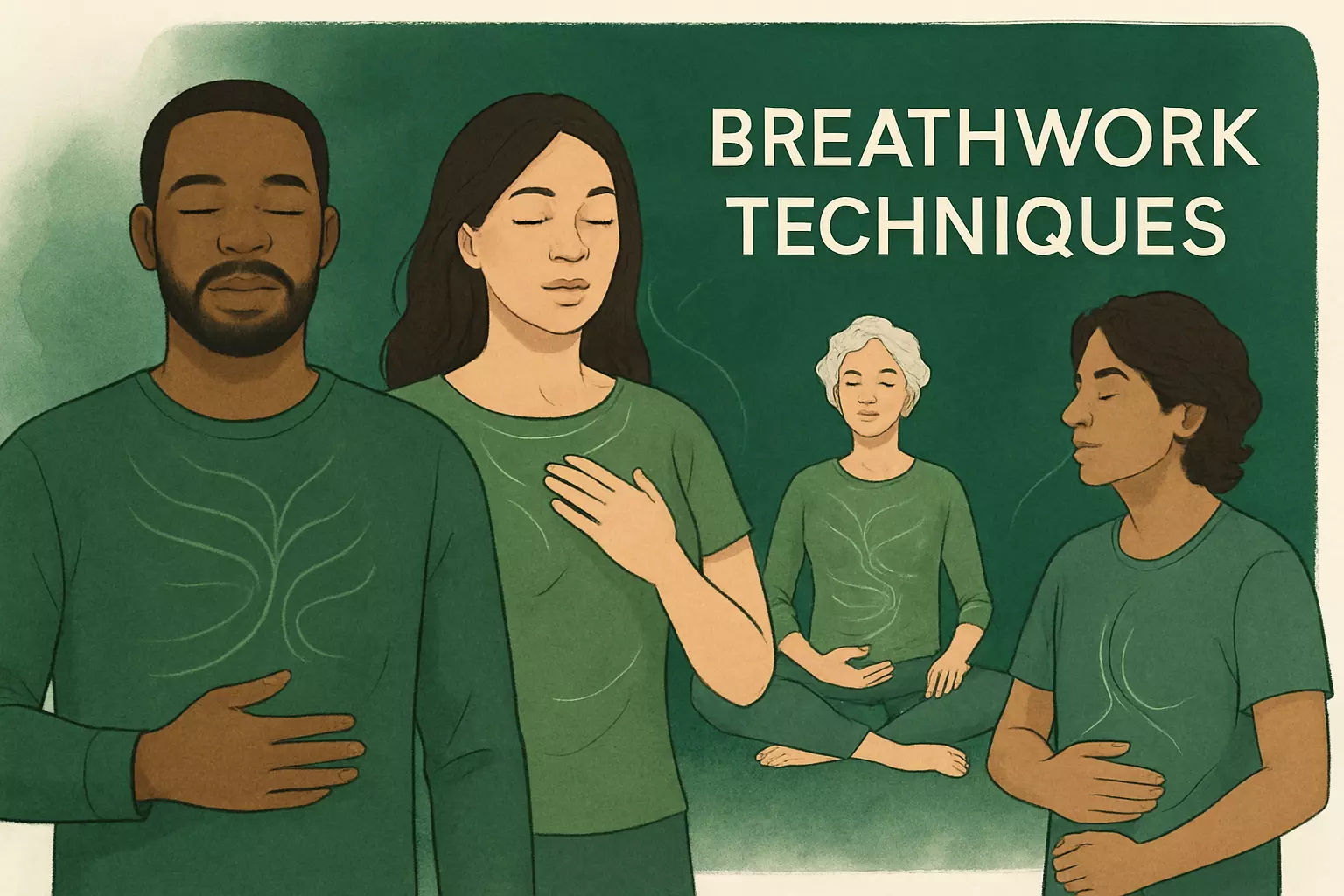
The Science Behind the Breathwork Movement and Its Benefits
Source: https://biodynamicbreath.com/blogs/the-breathwork-movement/
In the last decade, the breathwork movement has surged across the globe, transforming from a niche practice into a mainstream phenomenon embraced by wellness professionals, therapists, and individuals seeking holistic healing. What makes this movement so compelling is its ability to merge ancient wisdom with contemporary neuroscience, creating a bridge between spiritual growth and evidence-based health benefits.
Breathwork is not a passing trend—it is a revolution in how we relate to our bodies, our emotions, and our inner potential.
From Ancient Rituals to a Global Wellness Wave
For centuries, cultures worldwide have revered the breath as a sacred tool for healing and transformation. Yogic pranayama, Taoist breathing, Sufi zikr practices, and Indigenous ceremonies all recognized the breath as the carrier of life force energy—known as prana, qi, or spirit.
Fast forward to the 20th century: innovators such as Leonard Orr introduced Rebirthing Breathwork, while Stanislav Grof pioneered Holotropic Breathwork as a means of accessing non-ordinary states of consciousness for deep emotional healing.
Today, this lineage has evolved into what we now call the breathwork movement: an international network of practitioners, educators, and communities who recognize the breath as a catalyst for physical, emotional, and spiritual renewal.
The Science Behind the Breathwork Movement
What makes the breathwork movement powerful is its scientific foundation. While once dismissed as mystical or alternative, research now validates what practitioners have long known: conscious breathing reshapes the nervous system and optimizes human performance.
- Regulation of the Autonomic Nervous System Intentional breathing activates the vagus nerve, increasing parasympathetic activity. This lowers stress hormones, calms anxiety, and fosters resilience.
- Improved Heart Rate Variability (HRV) HRV is a measure of adaptability. High HRV correlates with longevity, emotional stability, and cardiovascular health. Breathwork is one of the simplest ways to improve HRV.
- Trauma and Emotional Release Somatic therapies emphasize the body’s role in storing trauma. Breathwork creates space for safe discharge of suppressed emotions, integrating unresolved experiences and restoring balance.
- Enhanced Cognitive Function Studies show breath regulation sharpens attention, increases creativity, and improves emotional regulation. This is why leaders, athletes, and creatives are increasingly turning to breathwork.
Modalities Shaping the Movement
The breathwork movement is diverse, with modalities serving different purposes. Some of the most influential include:
- Holotropic Breathwork: A powerful practice developed by Stanislav Grof, used to access expanded states of consciousness and deep inner healing.
- Rebirthing Breathwork: Focused on resolving early life trauma and renewing one’s sense of safety and vitality.
- Biodynamic Breathwork (BBTRS®): A trauma-informed approach integrating breath, movement, sound, and touch to facilitate deep release and embodied healing.
- Pranayama: Ancient yogic breathing practices that cultivate balance, focus, and spiritual expansion.
- Modern Performance Breathwork: Adopted by athletes and high performers to optimize oxygen efficiency, recovery, and mental resilience.
This diversity is the strength of the movement—it is adaptable to every individual, from those seeking stress reduction to those journeying into profound spiritual exploration.
Why the Breathwork Movement Matters Today
In 2025, humanity faces unprecedented levels of stress, digital overstimulation, and disconnection from the body. The breathwork movement offers an antidote:
- Accessibility: No equipment, expensive memberships, or special settings required—only your breath.
- Integration with Modern Life: Breathwork can be practiced at your desk, during commutes, or integrated into psychotherapy, yoga, and coaching.
- Collective Impact: As individuals regulate their nervous systems and release stored trauma, the ripple effect enhances relationships, communities, and workplaces.
- Alignment with Science: As research grows, breathwork continues to gain acceptance in medicine, psychology, and corporate wellness.
This is not merely a wellness trend—it’s a paradigm shift toward embodied living.
Beginning Your Own Breathwork Journey
If you’re new to breathwork, consider these steps to start with confidence:
- Start with the Basics: Try diaphragmatic breathing or box breathing for 5–10 minutes daily.
- Join a Guided Session: Participating in online or in-person sessions with a certified facilitator provides structure and safety.
- Listen to Your Body: Breathwork can bring up emotions or physical sensations. Move slowly and integrate at your own pace.
- Seek Community: Transformation deepens when practiced in groups—workshops, retreats, and circles offer powerful shared experiences.
- Consider Certification: For professionals in wellness, therapy, or coaching, training in breathwork offers tools to expand impact and support clients.
The Future of Breathwork
The breathwork movement is still unfolding. With emerging studies linking breath to immune function, mental health, and longevity, the coming years will likely see breathwork integrated into schools, workplaces, and healthcare systems.
It represents more than a practice—it is a cultural reorientation toward presence, resilience, and wholeness. By choosing to breathe consciously, you not only transform your inner world—you contribute to the collective healing of humanity.
Contact the Biodynamic Breathwork Institute
To explore workshops, training programs, or personal sessions, reach out to the Biodynamic Breathwork Institute:
- Website: biodynamicbreath.com
- Email: [email protected]
- Programs: Workshops, retreats, facilitator training, and online courses
- Social Media: Connect on Instagram, Facebook, and YouTube for resources and community updates
Breath is life—and the breathwork movement is your invitation to reclaim it.