The Science Behind PRP Treatment in Islamabad
In the world of modern aesthetics and regenerative medicine, Platelet-Rich Plasma (PRP) Therapy has become one of the most innovative and natural treatments available today. From reversing hair loss to rejuvenating the skin and even healing injuries, PRP is backed by science and trusted worldwide. In Pakistan’s capital, more and more people are choosing PRP in Islamabad
because it combines advanced medical technology with the body’s natural healing potential, offering safe and effective results without surgery.
But what is the science that makes PRP so effective? Why are dermatologists, cosmetic surgeons, and even orthopedic doctors recommending it? Let’s explore the biology and research behind this groundbreaking therapy.
What is PRP Therapy?
PRP stands for Platelet-Rich Plasma, a component derived from your own blood. Your blood is made up of red cells, white cells, plasma, and platelets. Platelets are tiny cells that play a crucial role in clotting, tissue repair, and wound healing. They are also packed with growth factors—proteins that trigger cell regeneration and repair.
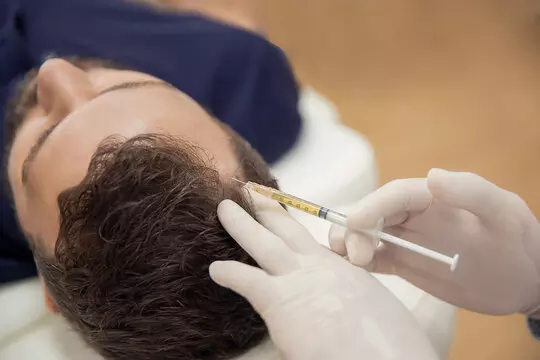
In PRP therapy, a small sample of blood is taken from the patient and placed into a centrifuge. This machine spins at high speed to separate the platelets from other blood components. The end result is a concentrated plasma solution containing 3–5 times more platelets than normal blood, which is then injected back into the target area—whether it’s the scalp for hair restoration or the skin for rejuvenation.
The Biology of PRP
The science behind PRP revolves around growth factors. These are natural proteins that act like messengers, signaling the body to repair and regenerate tissue. Key growth factors in PRP include:
- PDGF (Platelet-Derived Growth Factor): Stimulates cell growth and blood vessel formation.
- VEGF (Vascular Endothelial Growth Factor): Promotes new blood supply to nourish tissues.
- TGF-β (Transforming Growth Factor Beta): Encourages tissue regeneration and collagen production.
- EGF (Epidermal Growth Factor): Supports skin and hair follicle regeneration.
- IGF (Insulin-Like Growth Factor): Plays a role in cell repair and hair follicle activity.
When these growth factors are delivered to targeted areas, they accelerate the body’s healing process, boost collagen levels, and awaken dormant cells.
How PRP Works for Hair Loss
Hair follicles often become weakened or inactive due to genetics, stress, or hormonal changes. PRP injections re-energize these follicles by:
- Stimulating Stem Cells in Hair Follicles – Growth factors activate follicle stem cells to re-enter the growth phase.
- Boosting Blood Supply – Increased circulation nourishes the follicles with oxygen and nutrients.
- Reducing Inflammation – Helps prevent further follicle damage.
- Improving Hair Thickness – Strengthens existing strands, making them denser and healthier.
Clinical studies show that patients notice reduced shedding within weeks and visible regrowth after a series of treatments.
How PRP Works for Skin Rejuvenation
For skin treatments, PRP is often referred to as the “Vampire Facial”, thanks to its natural and effective results. Here’s what happens beneath the surface:
- Collagen Induction – PRP stimulates fibroblasts (skin cells) to produce new collagen, reducing wrinkles and fine lines.
- Skin Healing – Growth factors repair damaged tissue and scars.
- Improved Texture – New cells give the skin a smoother, brighter, and youthful look.
- Under-Eye Rejuvenation – PRP thickens delicate skin, reducing hollowness and dark circles.
The result is natural, radiant skin without synthetic fillers or harsh chemicals.
PRP in Orthopedics and Sports Medicine
Beyond cosmetics, PRP has strong scientific evidence in orthopedics. Athletes and patients with joint pain benefit from PRP as it accelerates healing in conditions like:
- Tendon injuries
- Osteoarthritis
- Muscle tears
- Post-surgical healing
This is another reason why PRP is recognized as more than just a beauty treatment—it is a scientifically proven regenerative therapy.
Step-by-Step Process of PRP in Islamabad
If you’re planning to undergo PRP treatment in Islamabad, here’s how the science is applied in practice:
- Blood Collection – About 10–20 ml of your blood is drawn.
- Centrifugation – The sample is spun to separate the platelet-rich plasma.
- PRP Extraction – The concentrated plasma is collected.
- Targeted Injection – Using fine needles, the PRP is injected into the scalp, skin, or affected joints.
The procedure usually takes less than an hour, with minimal discomfort and downtime.
Advantages of PRP Backed by Science
- Natural – Uses your body’s own healing components.
- Safe – Very low risk of allergies or complications.
- Effective – Stimulates long-term improvements.
- Versatile – Works for hair, skin, and medical conditions.
- Non-Surgical – No cuts, stitches, or scars.
Safety and Side Effects
Since PRP is autologous (derived from your own body), it is considered extremely safe. Mild redness, swelling, or tenderness may occur at the injection site, but these usually resolve within a day or two. Compared to chemical or surgical procedures, PRP carries minimal risks.
Why PRP is Popular in Islamabad
Islamabad has seen a surge in PRP demand due to:
- Increasing awareness of natural treatments
- Availability of modern clinics with advanced equipment
- Trained dermatologists and surgeons specializing in PRP
- Affordable compared to surgical alternatives
People in the capital now recognize PRP as a science-backed solution for both beauty and health.
How Many Sessions Are Required?
Scientific studies suggest that multiple sessions are needed for optimal results. Typically:
- Hair Loss: 3–4 sessions spaced a month apart, followed by maintenance once or twice a year.
- Skin Rejuvenation: 2–3 sessions are enough to see visible changes.
- Joint Pain: Depends on the severity, but usually 2–3 injections provide relief.
Final Thoughts
PRP therapy is more than just a trend—it is a scientifically proven treatment that harnesses the body’s natural biology to restore, heal, and rejuvenate. From boosting hair growth to reversing skin aging and managing orthopedic issues, PRP demonstrates the power of regenerative medicine.