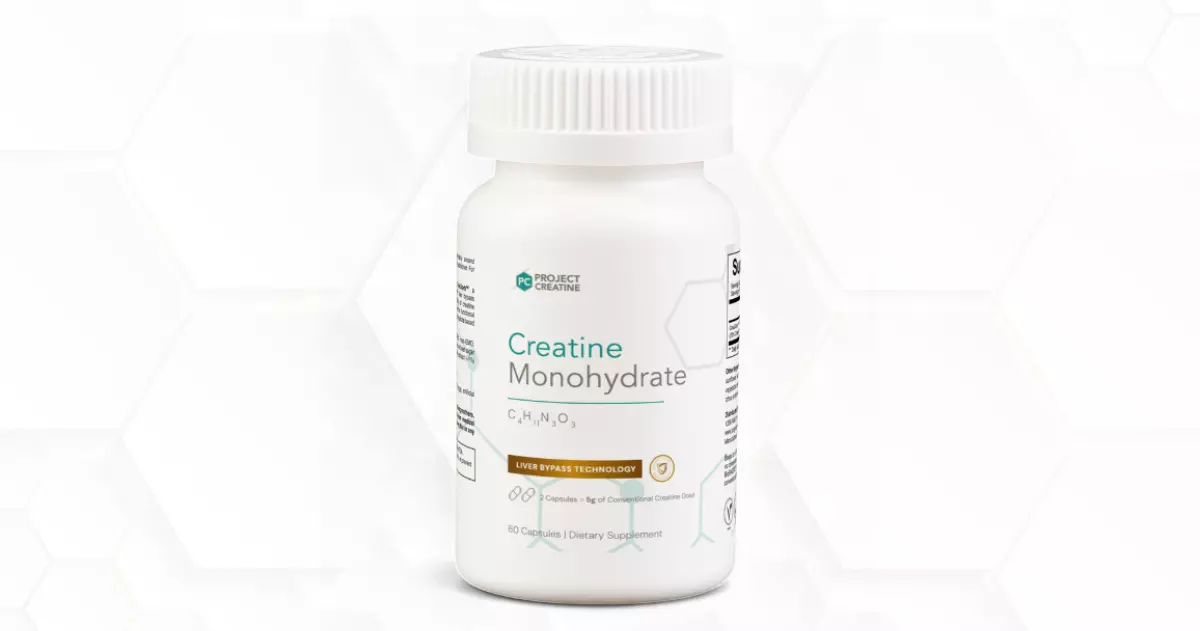
The Science Behind Clinically Backed Creatine Monohydrate: What Research Reveals
Most supplements make big promises and back them up with, well, not much. Creatine monohydrate is the rare exception. Scientists have been studying it for decades, and the results keep pointing in the same direction: it works.
If you've been curious about clinically backed creatine monohydrate and whether the hype matches the science, you're about to get real answers, not marketing fluff.
What is Creatine Monohydrate?
Creatine is a natural compound your body already makes and stores, mostly in your muscles. It helps your cells produce quick energy, especially during short bursts of effort like lifting weights or sprinting.
Creatine monohydrate is simply the most tested, most affordable, and most reliable form of this compound. Other forms exist, like creatine HCl, but none has anywhere near the research history that monohydrate has.
Why "Clinically Backed" Matters?
The term isn't just a buzzword here. The International Society of Sports Nutrition has reviewed creatine monohydrate extensively and calls it one of the safest, most effective supplements available. That's a big deal in an industry where most claims can't survive a real clinical trial.
What Research Reveals? Key Benefits of a Creatine Monohydrate Supplement
Muscle Strength & Physical Performance
This is where creatine has the deepest research base. A widely cited review published in the Journal of the International Society of Sports Nutrition, led by researcher Robert Cooper,
found that creatine supplementation was linked to about 8% gains in maximum strength, 14% improvements in endurance strength, and up to 45% increases in repetitions during high-intensity training. Numbers like these are hard to find in most supplement categories.
Creatine for Healthy Aging
As we age, we naturally lose muscle mass, a process called sarcopenia. Roughly 95% of the creatine in your body is stored in skeletal muscle, forming a reserve of 120 to 140 grams in an average adult.
Keeping that reserve topped up through supplementation may help preserve strength and mobility later in life, which is exactly why creatine for healthy aging has become such a hot research topic.
Cognitive & Brain Health Benefits
Newer studies are looking beyond muscles. Small trials in people with Alzheimer's disease, including one published in Frontiers in Nutrition in 2025, found that eight weeks of high-dose creatine supplementation improved handgrip strength and increased muscle size, as measured by ultrasound.
While this research is still early, it hints that creatine's benefits may reach further than just the gym.
Creatine Benefits for Women Over 50
Women naturally store 70 to 80% less creatine than men, and hormonal shifts during menopause can affect how the body uses it. Research published in the Journal of the International
Society of Sports Nutrition found that postmenopausal women who combined creatine with resistance training gained more lean muscle and upper-body strength than those who did resistance training alone. This is one reason creatine benefits for women over 50 are getting more attention from researchers, not less.
The Numbers Behind the Claims
Here are a few real findings worth knowing before you buy anything:
- An 8% increase in maximum strength and a 45% jump in repetition performance were reported in a major review by Cooper et al., published in the Journal of the International Society of Sports Nutrition.
- A 2-year trial in 200 postmenopausal women, published in a peer-reviewed geriatrics journal, found that creatine combined with resistance training increased lean body mass, even when bone density results were mixed.
- A separate 52-week study of 100 women aged 55 to 70 found femoral bone mineral content rose by about 1.8%, compared to 0.4% in the placebo group, while taking just 1 gram of creatine daily.
- Roughly 95% of your body's creatine is stored in muscle tissue, which is the biological reason it supports strength and aging outcomes so consistently.
These aren't cherry-picked marketing stats. They come from peer-reviewed clinical research, which is exactly what "clinically backed" is supposed to mean.
Is Creatine Monohydrate Safe? What Studies Say
Despite old myths, well-designed studies have not linked normal creatine monohydrate use to kidney damage in healthy people.
Reported side effects are usually mild, like temporary water retention or minor stomach discomfort, mostly during a loading phase. Standard dosing sits around 3 to 5 grams daily, which most research considers safe for long-term use.
Read: Top Medical Spa Treatments to Try in Easton PA for 2025
How to Choose the Best Creatine Monohydrate Supplement
What to Look for in a Clinically Backed Product
Look for micronized creatine monohydrate, since it dissolves better and is gentler on digestion. Third-party testing certifications, such as NSF Certified for Sport or Informed Sport, confirm that the product actually contains what the label claims.
Best Creatine Monohydrate Brands 2026
Rather than naming the best creatine monohydrate brands that could change by the time you read this, judge any 2026 option using this checklist:
- Criteria
- Why It Matters
- Micronized formula
- Easier to mix and digest
- Third-party tested
- Confirms label accuracy and purity
- No unnecessary fillers
- Keeps the formula clean and simple
- Clear dosage per serving
- Matches clinically studied amounts (3–5g)
- Certifications (Creapure, NSF)
- Signals real quality control
How to Take Creatine Monohydrate for Best Results?
Most research supports 3 to 5 grams daily, taken consistently, with or without a loading phase. Drinking enough water throughout the day helps your muscles use it properly.
Final Verdict
The science is consistent: clinically backed creatine monohydrate supports strength, healthy aging, and possibly even brain function, backed by real clinical trials rather than guesswork. If you're ready to make an informed choice, look for a third-party-tested, micronized creatine monohydrate supplement and start with the research-backed dose your body actually needs.
FAQs
Is creatine monohydrate safe for women over 50?
Yes. Multiple clinical trials show it's safe at standard doses, especially when paired with resistance training.
How long does it take to see results?
Most studies show noticeable changes in strength within 4 to 8 weeks of consistent use.
Can I take creatine every day?
Yes, daily use is the standard protocol in almost all clinical research.
Does creatine cause water retention?
Some mild, temporary water retention can happen, but it isn't the same as unhealthy weight gain.
What makes monohydrate different from other forms of creatine?
It has the longest research history and remains the most cost-effective, proven option.