The Role of Sluice Valves in Wastewater Treatment Plants: A Comprehensive Guide for Effective Water Management
Gate valves are crucial components in wastewater treatment plants, used to control and regulate the flow of water. They play an essential role in ensuring that water management systems run smoothly and efficiently. Wastewater treatment plants (WWTPs) are designed to remove contaminants from water, making it safe for discharge or reuse.
The key components of these plants include a variety of valves, and among them, sluice valves stand out as a particularly vital tool in managing water flow. Understanding the role of sluice valves in wastewater treatment is critical for plant operators, engineers, and anyone involved in water infrastructure management.
This guide will explore the significance of gate valves, particularly sluice valves, in the context of wastewater treatment. We will delve into their function, advantages, maintenance, and how they contribute to the effective operation of a treatment facility. By focusing on clear, concise explanations, this blog aims to provide insights that will not only help you understand the mechanics of sluice valves but also enhance your knowledge of wastewater treatment.
What Are Sluice Valves?
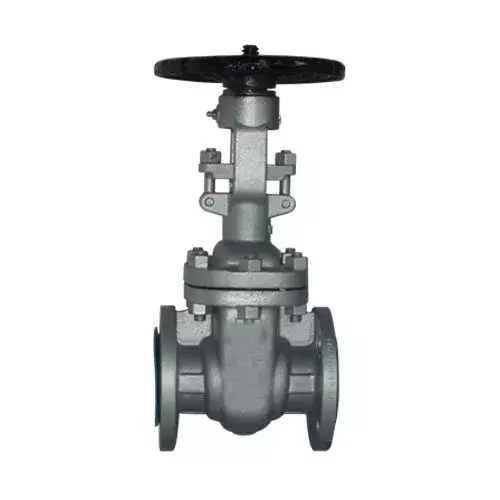
Sluice valves, also known as gate valves, are used primarily for isolating or regulating the flow of water in a pipeline. They operate by raising or lowering a gate inside the valve body to allow or block the flow of water. These valves are widely used in both water and wastewater treatment plants, as well as in various industrial applications.
Sluice valves come in different types, with each serving specific purposes depending on the application. They are particularly important in handling large quantities of water and wastewater because they provide a simple, reliable mechanism for controlling flow.
Key Components of Sluice Valves:
- Body: The main structure of the valve, which houses the gate and other internal components.
- Gate: A wedge-shaped or rectangular component that moves up or down to control flow.
- Stem: The part that connects the actuator to the gate, allowing it to be raised or lowered.
- Bonnet: The cover that encloses the internal parts of the valve.
These components work together to allow or block the flow of water, ensuring that the wastewater treatment plant can manage its operations efficiently.
The Importance of Gate Valves in Wastewater Treatment Plants
Gate valves, particularly sluice valves, serve several essential functions in wastewater treatment plants. They are integral to various stages of the treatment process, from initial water intake to final effluent discharge. The importance of sluice valves in a treatment plant cannot be overstated, as they offer several key advantages that contribute to the overall effectiveness of the system.
1. Flow Control and Isolation
One of the primary functions of gate valves in wastewater treatment plants is controlling the flow of water. Sluice valves are particularly effective in situations where full isolation is required. Whether it is controlling the flow of influent water, sludge, or treated effluent, sluice valves provide a reliable means to regulate the amount of water passing through pipelines.
In instances where specific sections of a plant need to be isolated for maintenance or repairs, sluice valves are used to shut off water flow completely, preventing contamination or leakage. This isolation ability is essential for ensuring the safe operation of the treatment plant.
2. Durability and Longevity
Wastewater treatment plants operate in harsh conditions, with valves being exposed to corrosive environments and extreme pressures. Sluice valves are designed to withstand these challenging conditions. Made from materials such as stainless steel, cast iron, or ductile iron, sluice valves can endure the constant flow of water and wastewater without degrading quickly. Their robust design ensures that they can function reliably for many years with minimal maintenance.
This durability is particularly important in wastewater treatment plants, where failure of a valve can disrupt the entire operation, leading to costly downtime and maintenance.
3. Minimizing Maintenance and Downtime
Sluice valves require minimal maintenance compared to other types of valves. Their simple design and reliable operation mean that they are less prone to failure. Regular maintenance, such as lubricating the valve stem and inspecting the gate for wear, can help prolong the life of sluice valves and ensure they continue to operate efficiently.
Because downtime in a wastewater treatment plant can result in severe consequences, having valves that require minimal upkeep ensures that operations can continue smoothly without prolonged interruptions. This is particularly important when it comes to meeting environmental regulations and ensuring that treated water is safe for discharge.
4. Energy Efficiency
Sluice valves also contribute to the overall energy efficiency of wastewater treatment plants. By regulating the flow of water through different stages of the treatment process, they help optimize the use of energy and resources. For instance, adjusting the flow of water to match the capacity of treatment equipment can reduce energy consumption and improve overall plant efficiency.
Sluice Valves vs. Other Valve Types
While sluice valves are essential in wastewater treatment, it’s important to understand how they compare to other types of valves, such as ball valves and butterfly valves. Each valve type has its advantages and specific applications.
1. Sluice Valves vs. Ball Valves
Ball valves are often used for their quick shut-off capabilities, making them ideal for applications requiring rapid flow control. However, they may not be as effective in large-scale water treatment plants where the flow needs to be regulated over a longer period. Sluice valves, on the other hand, provide more gradual and controlled adjustments, making them better suited for wastewater treatment facilities where precise flow management is necessary.
2. Sluice Valves vs. Butterfly Valves
Butterfly valves are known for their compact design and ease of installation. They are often used in applications where space is limited. However, they may not offer the same level of durability as sluice valves, especially in wastewater treatment plants where large volumes of water and harsh conditions are common. Sluice valves, with their robust design, are better equipped to handle the demands of wastewater treatment processes.
Applications of Sluice Valves in Wastewater Treatment Plants
Sluice valves are used in various applications within wastewater treatment plants. Below are some of the most common ways they contribute to plant operations:
1. Inlet and Outlet Control
Sluice valves are commonly used to control the flow of wastewater entering and leaving the plant. The inlet and outlet valves help regulate the amount of water that flows through the treatment process, ensuring that the plant operates within its designed capacity. By controlling the inlet and outlet flow, sluice valves help prevent overflows, maintain optimal pressure, and reduce the risk of contaminating the water supply.
2. Sludge Management
In wastewater treatment plants, managing sludge is a critical task. Sluice valves are used to control the flow of sludge through various stages of treatment, including thickening, dewatering, and disposal. By regulating the flow of sludge, sluice valves ensure that the treatment process remains efficient and effective.
3. Flow Isolation for Maintenance
During scheduled maintenance or emergencies, sluice valves are used to isolate sections of the plant. This prevents water from flowing into areas that need repairs, ensuring that maintenance work can be performed safely and without contamination. The ability to quickly and effectively isolate sections of the plant is essential for minimizing downtime and ensuring that the treatment plant continues to operate smoothly.
Maintenance of Sluice Valves in Wastewater Treatment Plants
Proper maintenance of sluice valves is essential to ensure their long-term reliability and optimal performance. Regular inspection and maintenance help prevent valve failure and reduce the risk of costly repairs. Below are some key maintenance tips for sluice valves in wastewater treatment plants:
1. Inspect for Wear and Tear
Sluice valves should be regularly inspected for signs of wear and tear, particularly around the gate and stem. Over time, the gate may become corroded or damaged, leading to inefficient operation. Regular inspections help detect these issues early and prevent further damage.
2. Lubricate Moving Parts
The moving parts of a sluice valve, including the stem and actuator, should be lubricated regularly to reduce friction and ensure smooth operation. Proper lubrication extends the life of the valve and reduces the risk of failure due to mechanical issues.
3. Test Valve Operation
It’s important to regularly test sluice valves to ensure they are operating correctly. This includes opening and closing the valve to verify that the gate moves freely and that the valve seals properly. Testing the valve’s functionality helps identify potential issues before they become serious problems.
Conclusion: The Essential Role of Gate Valves in Wastewater Treatment Plants
Gate valves, particularly sluice valves, play a pivotal role in the effective operation of wastewater treatment plants. From controlling water flow to managing sludge and ensuring reliable isolation for maintenance, sluice valves are essential for maintaining the efficiency and safety of wastewater treatment operations.
The durability, reliability, and minimal maintenance requirements of sluice valves make them an invaluable tool for plant operators. By understanding the critical role of gate valves in wastewater treatment plants, you can ensure that your plant operates smoothly, efficiently, and in compliance with environmental standards.
As you plan for maintenance or upgrades to your wastewater treatment system, be sure to consider the importance of sluice valves and other key components in ensuring optimal performance. Regular inspections, proper maintenance, and timely replacements will help ensure the long-term success of your water management infrastructure.
By focusing on clear, effective water management, you can contribute to a cleaner, more sustainable environment for future generations.