The Role of a Digital Marketing Company in Enabling Website Design Services for Global Brands
In the digital world of 2026, global brands are no longer just competing on product quality — they’re competing on experience. The website is the brand’s first impression, its story, its sales channel, and often, its most powerful marketing asset.
But for global enterprises, creating a website that resonates equally well in London, Tokyo, São Paulo, and New York is no simple task. It requires more than just sleek visuals — it demands multi-market intelligence, localized strategy, and data-driven creativity.
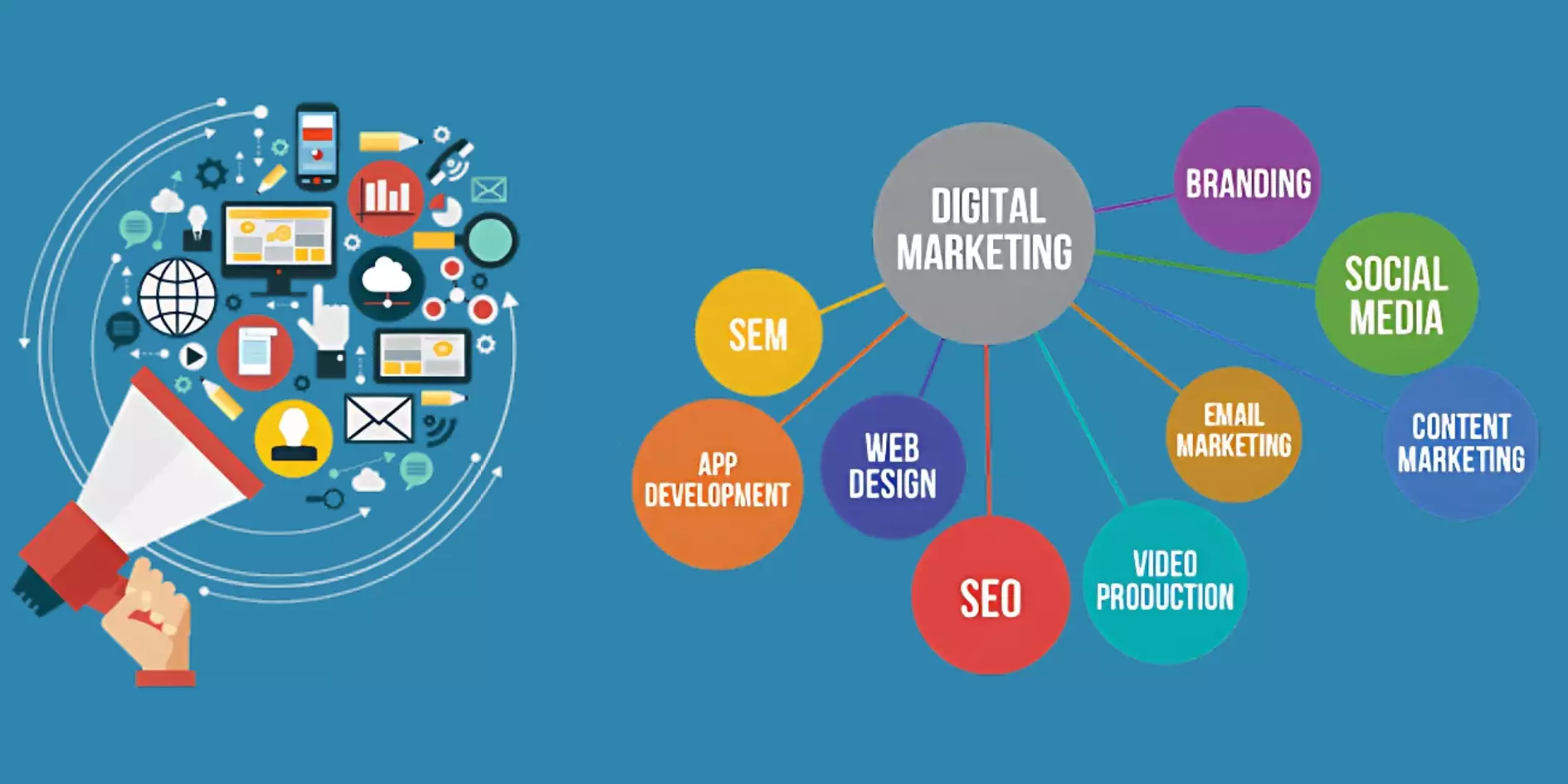
That’s where the collaboration between a digital marketing company and a web design agency becomes the ultimate advantage. Together, they transform static web projects into global growth platforms.
1. The Global Experience Gap: Why Design Alone Isn’t Enough
Global brands face a paradox in 2026 — the need to maintain a unified identity while offering localized experiences across different markets.
A single website layout or brand tone that works in the U.S. might fail in India or Germany. Design alone cannot bridge cultural, linguistic, and behavioral gaps — it needs marketing intelligence.
Some of the biggest challenges include:
- Cultural Nuance: Colors, imagery, and phrasing carry different meanings across markets.
- Language Localization: Direct translations often fail to capture tone or emotional resonance.
- Payment Preferences: Regional checkout and payment methods differ globally.
- Device Behavior: In Asia and Africa, mobile-first design isn’t a trend — it’s the default.
- Search Intent Variation: Keywords and SEO strategies vary drastically by region.
This is why leading enterprises now rely on digital marketing companies to co-create their global web ecosystems — ensuring every pixel aligns with both user experience and marketing strategy.
2. The Power of Collaboration: Design Meets Digital Intelligence
A modern web design agency crafts the visual and interactive identity of a brand. A digital marketing company, on the other hand, brings strategy, analytics, and audience understanding.
When these two forces collaborate, the result is a holistic, conversion-optimized web experience.
Here’s how this partnership plays out in practice:
Step 1: Market Research & Audience Mapping
Before the first design draft, marketing teams use data tools (like SEMrush, SimilarWeb, and Google Market Finder) to identify audience intent, top-performing channels, and regional behavior patterns.
This informs the design phase — ensuring that every layout, CTA, and content block aligns with real-world audience expectations.
Step 2: Localization Strategy
A global site isn’t just translated — it’s transcreated.
The digital marketing team ensures that design accommodates local languages, cultural tone, and user journeys.
Example: Japanese consumers prefer detailed product descriptions, while Nordic audiences value minimalist design. The website’s layout must adapt accordingly.
Step 3: Integrated Content & SEO
The marketing company embeds keyword structures, schema markup, and meta strategies into the design architecture.
This ensures the site ranks high locally while maintaining global brand consistency.
Step 4: Analytics & Iteration
After launch, marketing analytics feed back into design updates — creating a continuous improvement loop.
In short: marketing drives insights, design delivers experiences, and together they create measurable global growth.
3. Metrics That Matter: Measuring Global Web Success
In 2026, success for a global brand’s website goes beyond traffic numbers.
Digital marketing companies and design agencies now track multi-dimensional performance metrics that show how localized experiences influence conversions and retention.
Key performance indicators include:
- Geo-specific conversion rates – Are local audiences completing desired actions?
- Localization engagement rate – Time-on-page and bounce rate per region.
- Cross-market organic growth – SEO performance segmented by country.
- Content resonance metrics – CTR and engagement on region-specific campaigns.
- CX scores – User satisfaction measured via post-interaction surveys or AI-driven sentiment analysis.
For example, when Unilever localized its Dove website strategy by region, conversion rates increased by 27%, and average time-on-site doubled in Asia-Pacific markets.
4. Multi-Market Web Challenges: Common Obstacles
Even with smart design and marketing teams, global digital operations are complex. Some recurring challenges include:
Fragmented Branding
Different agencies working across markets can cause inconsistency in tone, visuals, or UX.
A unified digital marketing company ensures consistent brand messaging and creative standards across all web platforms.
Platform Overload
Brands managing multiple CMSs for regional sites face higher costs and lower efficiency.
Headless CMS (discussed later) is emerging as the solution.
Regulatory Compliance
GDPR, CCPA, and data localization laws vary globally.
Digital marketing experts help embed compliance into web architecture.
Performance Optimization
Loading times, hosting environments, and accessibility differ by region — marketing tech teams now optimize these dynamically using AI-based CDN routing.
A 2025 Gartner study showed that site load time impacts conversion rates by up to 34% in global eCommerce. That’s why marketing-led technical optimization is now standard practice.
5. Case Study 1: A Global Fashion Brand Reimagines Localization
A luxury fashion label with audiences across 30 countries wanted to merge design consistency with local storytelling.
Challenge:
Their previous site used one global template, leading to poor engagement in Asian markets.
Solution:
A web design agency collaborated with a digital marketing company specializing in localization. Together, they:
- Created a headless CMS that supported local content teams.
- Implemented AI-based translation tools fine-tuned by local marketers.
- Adjusted product photography to match regional aesthetics.
- Launched region-specific campaigns integrated into the design layout.
Outcome:
- 42% increase in engagement from Asia-Pacific.
- 28% improvement in conversion rates across localized pages.
- Seamless global branding with localized authenticity.
6. Case Study 2: A B2B SaaS Brand’s Multi-Region Growth
A U.S.-based SaaS provider expanded into Europe and South America in 2025. Their new site, designed for global scalability, struggled with slow load times and poor local SEO.
Digital Marketing Company Intervention:
- Migrated the platform to a multi-region cloud hosting setup.
- Embedded hreflang tags and localized SEO schema.
- Adjusted UX based on user analytics — mobile-first in LATAM, detailed feature breakdown in Europe.
- Ran cross-market retargeting campaigns through Google and LinkedIn.
Results:
- 3X increase in lead generation in new markets.
- Bounce rate reduced by 37%.
- Consistent branding and messaging across regions.
This demonstrates how digital marketing intelligence enables web design services to scale internationally — without losing cohesion.
7. Headless CMS: The Backbone of Global Web Design
Traditional CMS platforms like WordPress or Drupal struggle to support complex global architectures. That’s why headless CMS solutions like Contentful, Sanity, and Strapi are leading the new wave of web design for global brands.
A digital marketing company plays a crucial role in implementing headless CMS systems that:
- Allow centralized brand management while enabling local content freedom.
- Integrate seamlessly with marketing automation tools (HubSpot, Marketo, Salesforce).
- Deliver fast, region-optimized performance via API-based architecture.
- Enable AI-powered localization, automatically adapting tone and format per region.
Headless systems have revolutionized global design workflows, cutting content rollout times by up to 50%, according to a 2025 ContentStack study.
8. Localisation: Beyond Translation
Localization is no longer just about changing words — it’s about relevance and resonance.
A digital marketing company ensures that design frameworks accommodate:
- Local currencies, taxes, and date formats.
- Culturally relevant imagery and testimonials.
- SEO keywords aligned with local search intent.
- Language tone suited to cultural expectations (formal in Japan, casual in the U.S.).
For instance, when Spotify localized its landing pages with cultural playlists, engagement rose 32% globally — proving how emotional alignment drives brand loyalty.
9. The Analytics Advantage: Continuous Optimization
Designing a global website isn’t a one-time project — it’s an ongoing experiment.
Digital marketing teams employ analytics-driven design optimization to:
- Track multi-market behavior in real time.
- Identify region-specific UX friction points.
- Run A/B tests across languages and layouts.
- Adjust CTAs, color schemes, or copy based on engagement metrics.
By embedding analytics dashboards directly into the CMS, web design agencies and marketing teams co-manage performance — ensuring agility and long-term growth.
10. The Future: Where Web Design Meets Intelligent Marketing
By 2027, global brands will no longer separate website design and marketing departments. Instead, they’ll operate as a unified growth engine, powered by AI, automation, and predictive analytics.
Emerging trends include:
- AI Localization Engines: Real-time content personalization by region.
- Predictive UX Design: AI models forecasting user intent and adapting layouts.
- Voice & Multilingual Interfaces: Global websites that respond to voice search in multiple languages.
- Zero-Carbon Web Design: Eco-optimized, energy-efficient site architectures for sustainability-focused brands.
This next phase of evolution will rely heavily on digital marketing companies — the strategic backbone that aligns web design with market data, audience insights, and brand growth goals.
11. Strategic Takeaway: Integration Is the Future
For global brands, digital growth in 2026 and beyond hinges on collaboration — designers crafting experiences, marketers powering strategy, and technologists driving intelligence.
A digital marketing company doesn’t just promote a finished website — it enables the entire ecosystem:
- From SEO-ready code to multilingual content frameworks.
- From user analytics to AI-driven personalization.
- From brand storytelling to global scalability.
The line between website design services and digital marketing services is now permanently blurred — and that’s a good thing.
12. Conclusion: Design Scales, Marketing Sustains
A truly global website doesn’t just look good — it performs across borders, cultures, and devices.
By integrating digital marketing intelligence into web design services, brands can finally achieve what every global marketer dreams of:
✅ Consistent identity
✅ Local relevance
✅ Scalable performance
In 2026, your website isn’t just your digital storefront — it’s your global growth engine.
And behind every successful design is a digital marketing company turning insights into impact.