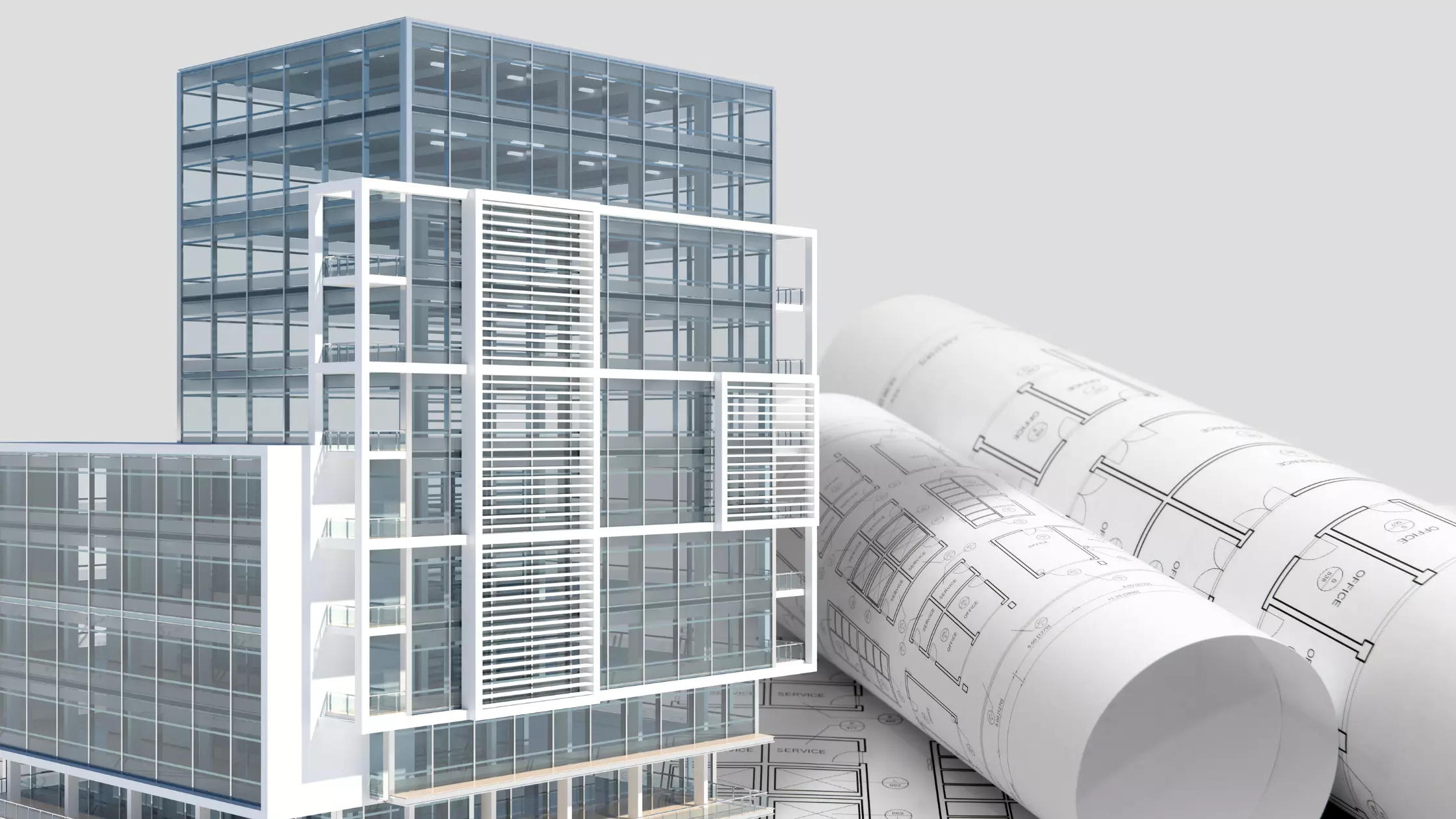
The Role of 3D Modeling and Product Configurators in Modern Product Design
In the age of digital transformation, traditional product design has evolved far beyond sketches and physical prototypes. Today, 3D modeling and 3D product configurators are essential tools that drive innovation, personalization, and speed in the product development process. From initial concept to final customization, these technologies are revolutionizing how products are created, tested, and experienced—by both designers and consumers.
Whether you're a manufacturer, brand owner, or product designer, understanding how 3D modeling and configurators work together can unlock new levels of efficiency and engagement.
What Is 3D Modeling in Product Design?
3D modeling is the process of creating a digital representation of an object in three dimensions using computer software. In product design, it allows designers and engineers to visualize, develop, and test products in a virtual environment before committing to physical production.
With tools like SolidWorks, Blender, AutoCAD, or Fusion 360, professionals can create accurate and scalable digital prototypes. These models can be rotated, dissected, analyzed, and shared across teams, accelerating development and reducing errors.
Key Benefits:
- Improved visualization of product form and function
- Early detection of design flaws
- Streamlined collaboration between teams
- Faster prototyping and iteration cycles
3D modeling is the foundation upon which advanced tools like 3D product configurators are built.
Introducing the 3D Product Configurator
A 3D product configurator is a real-time, interactive tool that allows users to customize and visualize a product's features—such as color, size, material, or accessories—before purchase. Unlike traditional static product displays, configurators use the underlying 3D model to create a dynamic experience tailored to the user’s preferences.
Configurators have become especially popular in industries like furniture, automotive, fashion, and electronics, where product variation is high and customer personalization is a selling point.
Why They Matter:
- Empower customers to design their own products
- Enhance online shopping with immersive interaction
- Reduce returns by setting clearer expectations
- Increase conversions with a more engaging experience
How 3D Modeling and Configurators Work Together
The power of a 3D product configurator lies in the quality and flexibility of its 3D model. Once a detailed model is created, it can be integrated into a web-based interface where users interact with it using drag-and-drop selections, toggle switches, or dropdown menus.
Step-by-Step Workflow:
- Design Phase: A 3D model is created using CAD software, accounting for all product features and configurations.
- Asset Optimization: The model is optimized for real-time rendering—balancing visual quality with performance.
- Configurator Integration: Developers integrate the model into a 3D product configurator, adding logic to control variations.
- User Interaction: Customers access the configurator on a website or app, select features, and view instant updates to the model.
- Output & Manufacturing: Configurations are saved and used to generate specs or manufacturing-ready files.
This digital pipeline ensures a seamless transition from design to personalization to production.
Real-World Applications
1. Furniture & Home Décor
A furniture brand offers a sofa configurator that lets users change upholstery, leg style, and cushion firmness. The 3D model updates in real-time, showing customers exactly what they’ll receive.
2. Automotive
Car manufacturers use configurators to let buyers customize paint color, wheels, interiors, and tech packages. These configurations are often used as part of the dealership or online sales process.
3. Apparel & Footwear
Brands like Nike allow customers to personalize shoes through 3D modeling, choosing colors, materials, and even adding personal text—powered by a backend configurator system.
4. Industrial Equipment
In the B2B sector, businesses can configure complex machinery, changing modules, dimensions, or control systems in a virtual environment before committing to production.
The Role of Digital Twins
As an extension of 3D modeling, digital twins are virtual replicas of real-world products, systems, or processes. They are often used for performance monitoring, maintenance, and product lifecycle management.
In conjunction with 3D product configurators, digital twins offer:
- Real-time data visualization
- Predictive maintenance simulations
- Post-sale customization options
- Enhanced customer support through digital records
By integrating digital twins, companies can continue to engage with the customer even after the sale, offering upgrades or insights based on real usage.
The Business Case for 3D Modeling + Configurators
Companies that adopt 3D modeling and configurators gain a competitive edge through:
- Reduced time-to-market: Eliminate the need for physical prototypes at every stage.
- Lower production costs: Configure and quote accurately before materials are used.
- Improved customer experience: Offer more control and confidence to buyers.
- Increased sales: Boost conversions with interactive, personalized experiences.
- Data collection: Gather insights into customer preferences and popular configurations.
Challenges and Considerations
While the benefits are immense, integrating 3D modeling and configurators requires planning and investment.
- 3D asset creation needs skilled designers and optimized models.
- Configurator development involves both design logic and front-end implementation.
- Performance tuning is essential to ensure smooth interaction across devices