The Rise of Virtual Eyewear Try-On Apps: Why Everyone’s Using Them
Introduction: From Store Mirrors to Smartphone Screens
What if you could try on hundreds of eyeglasses without visiting a store?
That’s no longer a dream — it’s today’s reality powered by AI and AR-based virtual eyewear try-on apps.
Consumers increasingly shop online but still want to “see” how glasses look before buying.
This is why virtual try-on technology has become a key part of modern eCommerce — offering an interactive, accurate, and convenient experience.
With just a phone camera and artificial intelligence, you can now find your perfect frame in seconds. Here’s why these apps are becoming so popular and how they’re transforming eyewear shopping.
What Are Virtual Eyewear Try-On Apps?
A virtual eyewear try-on app uses augmented reality (AR) and artificial intelligence (AI) to simulate how glasses or sunglasses will look on your face in real time or through an uploaded photo.
These tools use facial recognition technology to map your features and automatically fit frames based on your face shape, size, and proportions.
Common types include:
- Virtual glasses try-on software for eCommerce stores
- Mobile virtual try-on apps for Android and iOS
- 3D eyewear simulators with lifelike accuracy
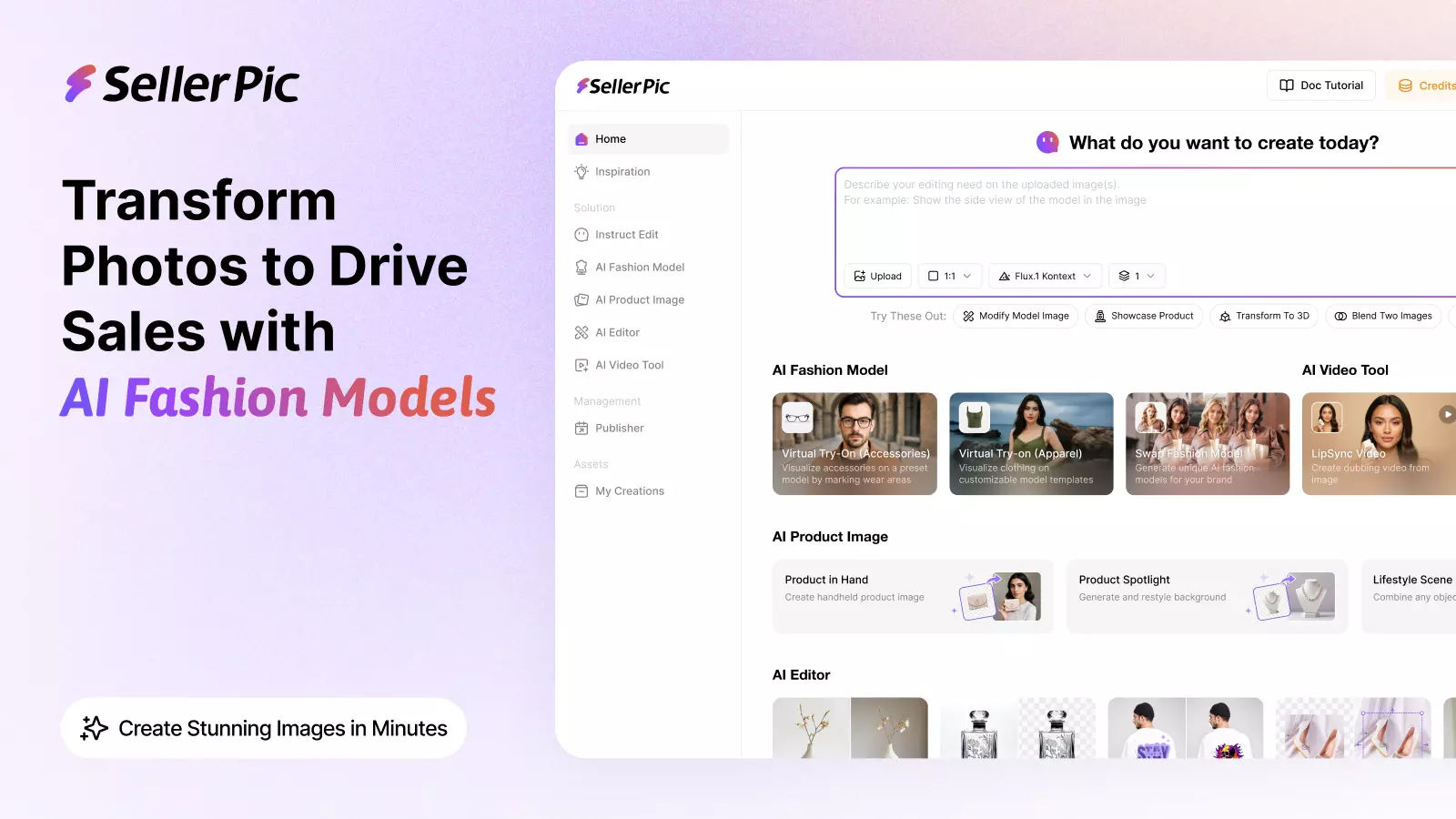
For example, when you use a platform like SellerPic’s AI Glasses Try-On Tool, it detects your face shape, places the frame virtually, and lets you switch designs instantly — no downloads required.
Why Virtual Try-On Technology Is Trending
The growing popularity of virtual eyewear try-on tools isn’t just a passing trend — it’s a result of evolving consumer habits and technology innovation.
1. The Shift to Online Shopping
More eyewear buyers now begin their purchase journey online. Consumers want a convenient way to test frames before visiting a store — or skipping the store entirely.
Virtual try-on apps solve this by replicating the in-store experience digitally.
2. AI-Powered Personalization
AI algorithms can recommend frame styles that suit your face shape, skin tone, and style preferences. It’s not just about overlaying frames — it’s about predicting what actually looks good on you.
3. Instant Visualization
With real-time AR, users can tilt their head, smile, or move naturally to see how each frame fits from different angles — creating a highly realistic shopping experience.
How Virtual Eyewear Try-On Apps Work
Here’s a simplified breakdown of how these advanced tools operate:
- Facial Scanning: The app identifies eyes, nose, and facial contours.
- 3D Mapping: AI builds a digital model of your face for accuracy.
- Frame Placement: The system overlays virtual frames that fit perfectly.
- Lighting Adjustment: AR technology adapts brightness and reflections.
- Instant Interaction: You can switch styles or colors in seconds.
This process transforms what used to be guesswork into a clear, data-driven experience — helping users make more confident buying decisions.
Benefits of Using Virtual Eyewear Try-On Apps
1. Try Before You Buy
See how glasses actually look on your face before making a purchase.
2. Save Time and Effort
Eliminate the need to visit multiple stores by testing designs instantly.
3. Explore Unlimited Styles
Experiment with hundreds of designs, shapes, and colors from one interface.
4. Confident Purchases
Virtual try-on users report higher satisfaction because they know what to expect before the product arrives.
5. Engaging Experience
Interactive try-ons make online shopping more immersive and enjoyable.
How Eyewear Brands Benefit from Virtual Try-On Technology
It’s not only users who benefit — eyewear businesses also gain a competitive edge.
- Higher Conversion Rates: Shoppers who use virtual try-on tools are more likely to buy.
- Lower Return Rates: Realistic previews reduce the chances of dissatisfaction.
- Longer Engagement: Customers spend more time exploring, leading to higher trust and loyalty.
In short, virtual try-on technology drives both customer confidence and brand growth.
Why SellerPic Leads the Virtual Eyewear Try-On Revolution
Among the growing number of AI tools, SellerPic stands out as one of the best platforms for eyewear visualization and editing.
Key Advantages:
- AI-powered facial detection for precise frame fitting
- Realistic 3D rendering for accurate lighting and shadows
- Works directly in browsers — no app installation required
- Supports both sunglasses and prescription eyewear
- Includes AI photo enhancement tools for sellers and product photographers
Unlike other tools that only simulate try-ons, SellerPic combines virtual eyewear testing with advanced image editing — making it useful for both buyers and brands.
FAQs
1. What is a virtual eyewear try-on app?
It’s a tool that uses AI and AR to let users see how glasses look on their face in real time or through uploaded photos.
2. Are these apps free to use?
Yes. Platforms like SellerPic offer free online eyewear try-ons with professional accuracy.
3. How accurate are virtual eyewear simulations?
They use facial mapping and AR lighting adjustments for lifelike results — typically 90–95% accurate in fit and proportion.
4. Can I use these tools on any device?
Most apps, including SellerPic, work on smartphones, tablets, and desktop browsers.
5. Do they support sunglasses as well?
Yes. Virtual try-on technology works for all eyewear categories, including sunglasses, eyeglasses, and lenses.
Conclusion
The rise of virtual eyewear try-on apps marks a major step forward in online shopping.
Consumers today expect speed, personalization, and convenience, and AR-powered tools deliver exactly that.
By combining artificial intelligence and 3D visualization, these apps eliminate uncertainty and help users shop with confidence.
For brands, this technology means fewer returns, more engagement, and stronger sales.
And for consumers, it means an enjoyable, personalized way to discover the perfect look — without ever leaving home.
Whether you’re exploring new frames or running an eyewear business, tools like SellerPic represent the future of how we buy and experience eyewear online.