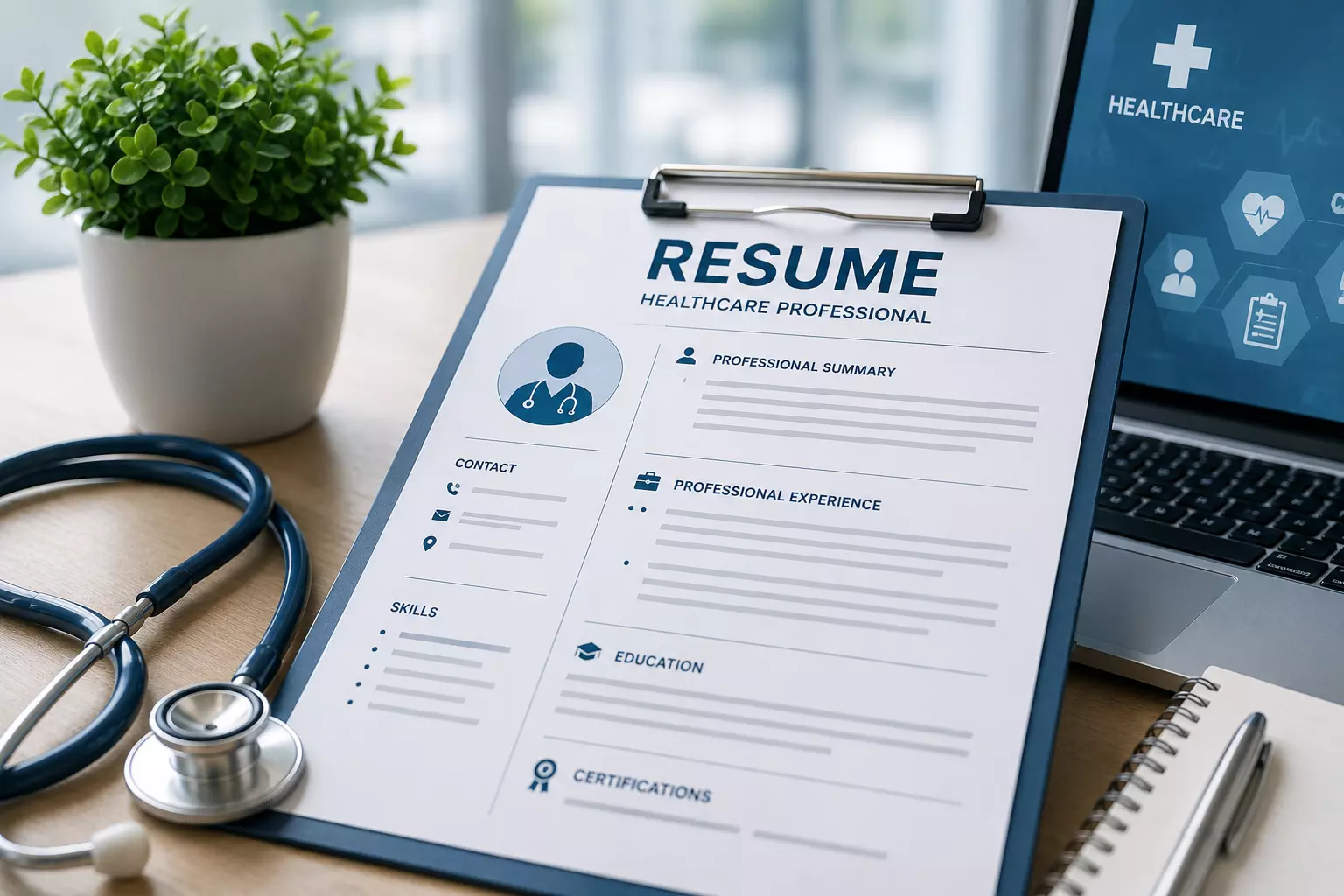
The Resume Standards Used in Today's Medical Hiring
Medical hiring has become more competitive than ever. Healthcare organizations are not only looking for candidates with the right qualifications; they want professionals who can clearly demonstrate their experience, skills, and contribution to patient care.
A resume is often the first impression a healthcare employer gets of a candidate. If the document only lists job duties without explaining professional value, even highly qualified professionals may struggle to stand out.
Today's medical hiring standards focus on clarity, career progression, relevant expertise, and measurable impact.
Whether someone is a nurse, healthcare administrator, clinical specialist, physician, or another medical professional, their resume needs to communicate more than just where they have worked. It should explain how they have contributed and what makes them valuable to an organization.
This is why many professionals focus on improving their career documents through resources such as a medical cv writing service that understands healthcare industry expectations and helps present experience in a more effective way.
How Medical Hiring Has Changed in Recent Years
Healthcare recruitment has evolved significantly. In the past, employers often focused mainly on education, job titles, and years of experience. While these factors are still important, hiring teams now evaluate candidates more carefully.
Medical employers want to understand:
- How a professional supports patient outcomes
- How they handle healthcare responsibilities
- Whether they can work effectively within teams
- How they contribute to operational improvements
A modern healthcare resume needs to reflect professional growth instead of simply showing employment history.
For example, writing that a nurse “provided patient care” gives basic information, but explaining involvement in improving patient satisfaction, supporting clinical teams, or managing complex cases creates a stronger professional impression.
Modern Healthcare Resumes Focus on Professional Value
One of the biggest changes in medical hiring is the shift from responsibility-based resumes to value-focused resumes.
Many candidates make the mistake of copying their job descriptions into their resumes. However, recruiters already understand general responsibilities associated with different healthcare roles.
What they want to know is:
What difference did you make in that role?
Instead of focusing only on tasks, healthcare professionals should highlight:
- Improvements they contributed to
- Challenges they handled
- Teams they supported
- Systems they worked with
- Results they achieved
For example:
Basic approach:
“Managed patient records and assisted healthcare staff.”
Stronger approach:
“Maintained accurate patient documentation while supporting efficient clinical workflows and improving record management processes.”
The second statement provides a clearer picture of professional contribution.
Why Clear Career Positioning Matters in Medical Hiring
A strong healthcare resume should immediately communicate who the candidate is professionally.
A recruiter should quickly understand whether someone is:
- A clinical specialist
- A healthcare leader
- A nursing professional
- A medical administrator
- A healthcare technology expert
A common issue with medical resumes is that candidates try to include everything they have done throughout their careers. This often creates a document that lacks direction.
Effective career positioning means selecting information that supports the target role.
For example, a healthcare manager applying for a leadership position should emphasize:
- Team management
- Process improvement
- Strategic planning
- Healthcare operations
Meanwhile, a clinical professional should focus more on:
- Patient care experience
- Clinical skills
- Healthcare procedures
- Quality standards
A focused resume creates a stronger connection between the candidate and the position.
Medical Employers Want Results, Not Just Responsibilities
One of the most important resume standards in today's healthcare hiring market is demonstrating measurable impact.
Numbers and specific examples help employers understand the scale of someone's experience.
Healthcare professionals can include details such as:
- Number of patients supported
- Size of teams managed
- Volume of cases handled
- Improvements achieved
- Training responsibilities
- Efficiency gains
For example:
Instead of:
“Supported healthcare operations.”
A stronger version:
“Supported daily healthcare operations while coordinating workflows for multidisciplinary teams and maintaining high standards of service delivery.”
Specific achievements help transform a resume from a simple career history into a professional success story.
The Right Way to Present Clinical Skills and Experience
Healthcare professionals often have extensive technical knowledge, but presenting it correctly is important.
A strong medical resume should include relevant skills while keeping the information easy to understand.
Important areas may include:
- Clinical expertise
- Healthcare systems knowledge
- Patient communication
- Medical documentation
- Compliance awareness
- Team collaboration
However, adding too many technical terms without context can make the resume difficult for recruiters to evaluate.
The goal is to show expertise while maintaining clear communication.
A recruiter should not need specialized medical knowledge to understand the candidate's value.
Why Resume Structure Influences Recruiter Decisions
A well-organized resume allows hiring teams to find important information quickly.
Modern medical resumes usually perform better when they include:
Professional Summary
A short introduction explaining experience, specialization, and career strengths.
Core Skills
A section highlighting relevant abilities related to the target role.
Professional Experience
Focused descriptions that show responsibilities and achievements.
Certifications and Education
Important credentials presented clearly.
Poor structure can hide strong qualifications. Even experienced healthcare professionals may lose opportunities if their resume is difficult to read.
Read: Top Nursing Certifications to Advance Your Career in 2025
How Healthcare Professionals Can Build a Stronger Career Profile
Building an effective resume requires understanding what employers value.
Some improvements that can strengthen a healthcare career document include:
Highlight Career Growth
Show progression through:
- Increased responsibilities
- Promotions
- Leadership opportunities
- Advanced training
Connect Skills With Real Experience
Instead of listing skills separately, show how those skills were applied in professional situations.
Keep Information Current
Remove outdated details and focus on experience that supports current career goals.
A resume should represent the professional you are today, not only the positions you held in the past.
Common Mistakes That Reduce Medical Resume Effectiveness
Many healthcare professionals have strong backgrounds but make mistakes that weaken their resumes.
Common problems include:
Using Generic Statements
Statements that could apply to anyone do not help recruiters understand individual value.
Including Too Much Information
A resume should be relevant, not a complete record of every career detail.
Ignoring Professional Branding
Healthcare professionals also need to communicate their unique strengths and career direction.
Poor Alignment With Target Roles
A resume should match the expectations of the specific position being pursued.
Avoiding these mistakes can significantly improve how employers view a candidate.
The Role of Professional Support in Medical Resume Development
Creating a strong healthcare resume can be challenging because professionals often find it difficult to evaluate their own experience objectively.
An experienced medical cv writing service can help identify important achievements, improve resume structure, and create a clearer professional message.
Professional resume support is especially useful for candidates who are:
- Changing healthcare specialties
- Moving into leadership positions
- Returning to the job market
- Applying for competitive medical roles
The goal is not to add unnecessary information but to present existing experience in a way that connects with hiring expectations.
Final Thoughts
Today's medical hiring environment requires more than a list of qualifications. Healthcare employers want professionals who can clearly communicate their expertise, achievements, and ability to contribute.
A strong medical resume focuses on career direction, measurable impact, relevant skills, and professional growth. By following modern resume standards, healthcare professionals can improve how they present themselves and create stronger opportunities.
Whether someone is starting their healthcare career or moving toward an advanced position, the right resume approach can help their experience receive the attention it deserves.
FAQs
1. What do medical recruiters look for in a resume?
Medical recruiters look for relevant experience, professional skills, achievements, and clear career presentation.
2. Should healthcare professionals customize their resumes?
Yes, customizing a resume helps match experience with the requirements of specific medical positions.
3. What makes a medical resume different from a regular resume?
Medical resumes require stronger emphasis on clinical expertise, healthcare knowledge, patient care, and professional credentials.
4. How can professionals improve their healthcare resumes?
They can improve resumes by highlighting achievements, using clear formatting, and focusing on career value instead of only job duties.
5. Is professional resume writing helpful for healthcare careers?
Professional guidance can help healthcare professionals present their experience more effectively and align their resumes with current hiring expectations.