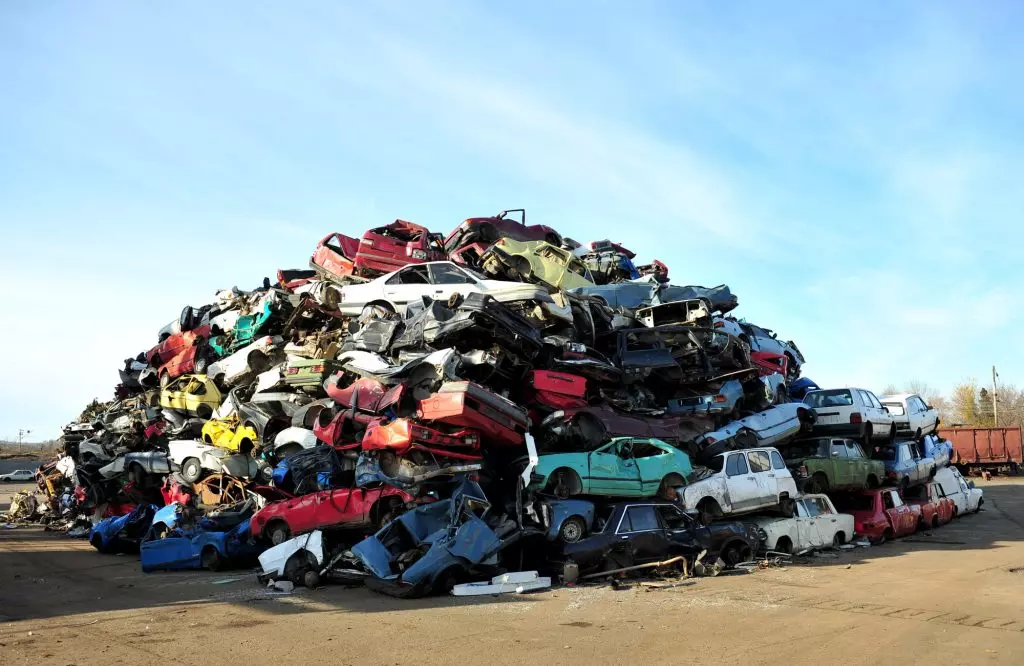
The Real Value of Scrap Cars — Most Owners Underestimate It
Many Australians think a scrap car holds little or no value, but a damaged or old vehicle still carries several measurable benefits that most owners overlook. Scrap cars provide recyclable metals, reusable components, and environmental savings, which means a worn-out vehicle remains financially useful.
This helps car owners make informed decisions about selling, removing, or recycling their unwanted vehicle with confidence. Understanding the real value also prevents sellers from accepting extremely low offers and missing out on money they deserve. When you know what contributes to a scrap car’s worth, you stay in control and avoid rushed decisions. This creates a clear path for choosing the right recycler or removal service.
Why Scrap Cars Hold More Value Than Expected
Scrap cars hold value because they contain metals that recyclers recover and reuse. Steel, aluminium, copper, and catalytic converter materials contribute directly to the final payout. These metals remain valuable due to steady demand from the construction and manufacturing sectors in Australia. Even a badly damaged car keeps value because recyclers recover these materials regardless of the vehicle’s condition.
Many Australian sellers underestimate this because they focus on the car’s appearance, not its raw material content. In reality, even a non-running car contains between 800 kg and 1,200 kg of recyclable steel. This weight alone ensures a predictable baseline value. Many removal companies offering top cash for cars Melbourne assess weight, metal quality, and parts availability to calculate exact value.
Another factor is metal price fluctuation. Steel and aluminium rates often change month to month based on market demand. When prices rise, scrap cars become more profitable to recycle. This means an owner can earn more from a vehicle that seems worthless at first glance. Understanding these elements helps sellers make better decisions about timing and negotiation.
What Determines the Actual Scrap Car Price?
The price of a scrap car depends on six specific inputs: weight, metal composition, reusable parts, current market rates, make and model, and towing distance. Weight influences value because heavier cars contain more steel and aluminium. For example, large 4WDs often sell for more than small hatchbacks due to metal volume. Metal composition also matters. Cars with aluminium panels, copper wiring, and catalytic converters provide greater returns during recycling.
Reusable parts create additional value. Examples include engines, alternators, radiators, and doors. These components support the used-parts market, especially in Australia where many drivers repair older vehicles to avoid buying new ones. The condition of these parts changes the final offer.
Market rates for metals influence daily pricing. When steel demand increases in Australia’s building sector, scrap yards raise their payout rates. Make and model also affect value. Popular models allow recyclers to resell parts faster, which increases the overall offer. Towing distance affects convenience. Some companies add transport fees, while others offer free towing.
Why Most Owners Undervalue Their Scrap Car
Owners undervalue scrap cars because they compare them to used-car prices instead of recycling prices. A car with engine failure, severe damage, or high mileage may seem worthless from a resale perspective, but recyclers judge it differently. They look at recoverable material, which stays valuable even in non-working condition.
Many owners also assume removal services are doing them a favour by collecting the vehicle, but in reality, recyclers profit from the raw materials. This misconception causes sellers to accept very low offers because they believe they have no bargaining power. Real value appears when sellers understand what recyclers actually gain from processing the vehicle.
Another issue is lack of information. Most people do not know that about 85% of a vehicle’s total weight is recyclable. Examples include steel, glass, plastic, rubber, and electronic components. This recoverability ensures consistent market value across nearly all vehicle types.
The Environmental Impact of Scrap Car Recycling
Scrap car recycling provides measurable environmental benefits by reducing landfill waste and cutting raw material mining. Recycling one tonne of steel saves about 1.5 tonnes of iron ore and reduces energy consumption by more than 60%. These savings contribute to Australia’s sustainability goals and reduce environmental impact for future generations.
Recycling also prevents hazardous fluids from entering soil and waterways. Examples include engine oil, coolant, brake fluid, and transmission fluid. Professionals safely extract and process these liquids to protect the environment. This makes recycling a responsible choice that supports community health and environmental safety.
Read: The Role of Car Removal Companies in Selling Your Car
Many local removal services manage fluid extraction and recycling properly. Companies like Melbourne Cash For Carz handle vehicles in compliance with environmental standards, which provides peace of mind for owners who want responsible disposal. Many eco-conscious services state that we buy any car Melbourne regardless of condition, ensuring nothing ends up in landfill unnecessarily.
How To Maximise Your Scrap Car’s Value
To maximise value, sellers should prepare their vehicle by removing personal belongings, providing accurate details, comparing offers, and choosing a recycler that offers free towing. Accuracy helps avoid delays. Examples of details include make, model, year, and major damage.
Comparing at least three quotes helps identify fair pricing. Asking about reusable parts also helps because some recyclers pay extra for specific components. Choosing free towing ensures you keep the full amount without deductions.
Keeping service records or ownership documents ready speeds up collection. Clear access to the vehicle also helps towing teams collect the car safely and quickly.
Many Australian blogs highlight the value of choosing removal services that provide fair pricing, ethical recycling, and prompt collection.
Common Myths About Scrap Car Value
Several myths reduce confidence in the selling process. One myth is that scrap cars hold no value. Another is that only running vehicles qualify for cash offers. A third myth is that towing always costs extra. In reality, non-running cars still contain valuable metals, recyclers buy all conditions, and many companies provide free towing.
Another myth states that older vehicles sell for almost nothing. Age matters less than metal weight. This means even decades-old cars still generate reasonable returns.
When Is the Best Time To Scrap Your Car?
The best time to scrap a car is when the cost of repairs exceeds the resale value. For example, if repairs cost $1,500 but the car’s working value is $800, scrapping becomes the logical choice. Many Australians also scrap vehicles when registration expires or when upgrading to a safer model.
Metal price fluctuations influence timing too. If demand for steel or aluminium increases, scrap values rise. Sellers who monitor monthly changes earn more by choosing the right moment.
Conclusion
Scrap cars hold far more value than most owners realise because recyclable materials, reusable parts, and stable market demand keep prices steady in Australia. Understanding these factors helps sellers avoid underpayment and choose reliable removal services. Scrap car recycling also supports environmental sustainability, which makes the process beneficial for both the owner and the community.
Explore more topics in our blog section.