The Real Story Behind Airstream Restoration in the US
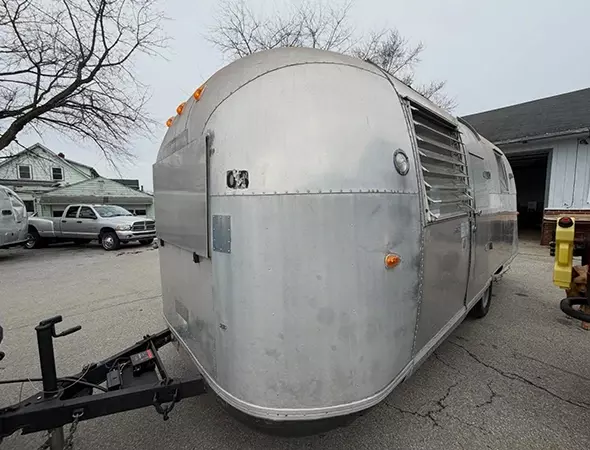
An old Airstream sitting in a field looks like a lost cause. Faded aluminum, a musty interior, maybe a soft floor that gives a little underfoot. But look closer, and many of these trailers are worth saving.
That is the quiet appeal of Airstream restoration: taking a tired shell and bringing it back to real, usable life.
These riveted aluminum trailers have been rolling across the United States since the 1930s. Owners keep them for decades. And when one finally shows its age, restoration often makes more sense than replacement. The bones are built to last.
Why These Trailers Are Worth Saving
An Airstream is not a typical camper. The body is aircraft-grade aluminum, riveted panel by panel over a steel frame. That construction is the reason a 1970s model can still be on the road today.
The catch is simple. The aluminum shell tends to outlive the frame and the floor beneath it. Water finds its way in through old seams, sits in hidden corners, and slowly does its damage.
So most projects start not with the shiny exterior, but with what you cannot see.
What Airstream Restoration Actually Involves
Restoration covers a wide range of work. On the light end, it might mean new seals, fresh flooring, and updated wiring. On the heavy end, it means lifting the aluminum body clean off the chassis.
Here is the part many first-time buyers miss. The steel frame carries the entire trailer. When water rots the wood floor, it often rusts the frame underneath at the same time. That is where Airstream frame repair enters the picture.
Frame repair usually means the shell comes off so the chassis can be inspected, cut, and welded where needed. It is not a weekend job. But once a frame is solid again, everything built on top of it lasts.
Think of it like a house. A beautiful kitchen means nothing if the foundation is cracked. Fix the foundation first, then the rest holds.
The Benefits Owners Actually Notice
The clearest benefit is longevity. A properly restored Airstream can serve another twenty or thirty years, something few modern RVs can claim.
There is also value. Well-documented restorations tend to hold their worth across the United States, and clean vintage models often sell quickly. Buyers trust a trailer with proof of solid frame work far more than one with a fresh coat of polish and no history.
Then there is the practical side. New wiring, plumbing, and insulation make the trailer genuinely comfortable, not just pretty. You get the classic look with none of the old headaches.
Common Real-World Scenarios
A family buys a "project" trailer online for a low price. It looks rough but complete.
Once the floor comes up, they find rusted crossmembers and realize frame work is unavoidable. This is one of the most common surprises in the hobby.
Another owner has a trailer that runs fine but leaks in heavy rain. A restoration focused on reseals, floor sections, and interior updates solves it without a full teardown.
And then there are the enthusiasts who simply want a period-correct interior. Their trailer is structurally fine, so the work stays cosmetic.
The point is this. No two restorations look alike. The right scope depends entirely on what the frame and floor are hiding.
Finding the Right Help
Not every general RV shop takes on aluminum trailers. The riveting, the welding, and the body-off process call for specific experience. Across the United States, a smaller group of specialty shops handles this kind of work.
Some full-service automotive and repair businesses have expanded into it as well. Shops such as Hudson Automotive Repair & Service are examples of places that take on structural and mechanical trailer work alongside standard vehicle service.
If you are hiring out the job, ask to see past frame projects. Photos of a shell lifted off a chassis tell you more than any brochure.
A Few Common Mistakes to Avoid
- Judging condition by the exterior alone. Polish hides nothing structural.
- Skipping the floor inspection before buying. Soft spots signal frame trouble below.
- Chasing the lowest price on heavy welding. Bad frame work fails, and the repair gets redone.
- Restoring the interior before confirming the frame is sound. That order gets expensive fast.
Fix the structure, then make it beautiful. That sequence saves money every time.
The Bottom Line
Airstream restoration rewards patience and honest inspection. The aluminum shell is the easy part. The frame and floor decide whether a project is a smart buy or a money pit.
If you are looking at a vintage trailer, start underneath. Check the floor. Ask about the frame. Then decide how deep the work really goes. A little inspection now prevents a big surprise later.
Frequently Asked Questions
How much does Airstream restoration cost?
It varies widely by scope. Cosmetic refreshes can run a few thousand dollars, while a full body-off restoration with frame work often reaches into the tens of thousands. The frame condition is the biggest cost factor.
Is Airstream frame repair really necessary?
Only if the frame shows rust or damage, which is common in older trailers with water intrusion. A solid frame can be left alone. A rusted one must be repaired before any interior work makes sense.
How long does a full restoration take?
A serious project can take several months to over a year, depending on parts availability and how much frame and floor work is needed. Light restorations move much faster.
Can I restore an Airstream myself?
Cosmetic and interior work is doable for many hands-on owners. Frame repair usually requires welding skill and equipment to lift the shell safely, so that stage is often left to specialists.
Are restored Airstreams a good investment?
Well-documented restorations tend to hold value across the United States, especially clean vintage models. Proof of solid frame and floor work matters far more to buyers than surface shine.