The Real Cost of Living in a Disrepaired Home: What UK Tenants Should Know
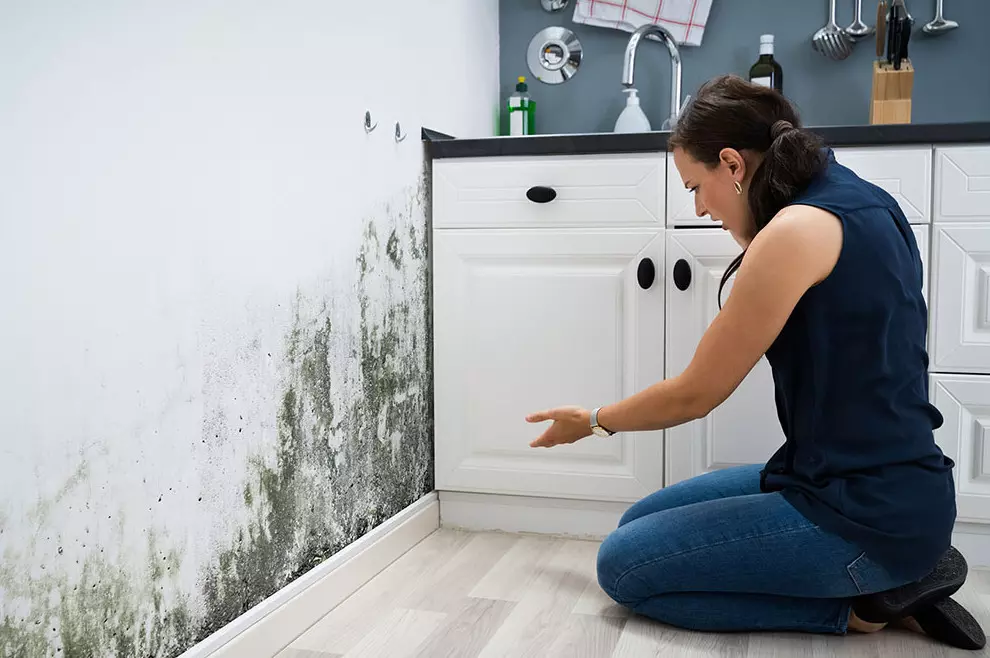
Many tenants across the UK silently deal with cracked walls, broken boilers, leaks, and mould in their rented homes. These issues are often seen as part of the “rental experience,” but they shouldn’t be.
Living in a home with serious disrepair isn't just inconvenient—it’s dangerous, both physically and mentally. Landlords have a legal obligation to maintain the properties they rent out, and when they don’t, it can have long-term consequences for the people living there.
This article sheds light on what housing disrepair really costs tenants—and how you can take action if you’re being affected.
The Hidden Toll of Disrepair
It’s easy to think that disrepair is just about appearances—a stain on the ceiling, a cold room, or a bit of damp in the corner. But these issues go deeper.
When left unresolved, housing disrepair can lead to:
- Respiratory conditions caused by mould spores
- Mental stress due to unsafe or uncomfortable living environments
- Financial strain from higher bills or damage to belongings
- Increased risk of accidents, especially for children or the elderly
Tenants often underestimate the impact of these issues because they normalize them. But there’s nothing normal about living with ongoing problems that make your home feel like a hazard.
What Are Landlords Responsible For?
In the UK, landlords are legally required to keep their properties in good condition. According to the Landlord and Tenant Act 1985, they must:
- Ensure the structure and exterior of the property are sound
- Keep heating, plumbing, and water supply systems functional
- Fix electrical faults or safety issues
- Address issues with damp, mould, or ventilation
- Maintain communal areas in multi-tenant buildings
If any of these areas fall into disrepair and the landlord fails to fix them in a reasonable timeframe, the tenant has grounds to take action.
Why Many Landlords Still Ignore Repairs
Some landlords take their responsibilities seriously, but others cut corners or simply ignore complaints. They may delay responses, offer temporary fixes, or even blame the tenant for the damage.
This kind of behaviour is not only unethical—it’s illegal.
Unfortunately, some tenants feel powerless to challenge their landlord, especially if they fear eviction or retaliation. That’s why knowing your rights is so important.
You don’t have to accept poor living conditions, and help is available.
Document Everything
If you’re facing disrepair issues, your first step should be to gather evidence:
- Take dated photographs of the problems
- Keep a record of communication with your landlord or letting agent
- Save receipts for any personal costs you’ve had to cover
- If your health is affected, ask your GP for a medical letter
This documentation will be essential if you decide to pursue a formal complaint or legal claim.
Taking Action: You Have Options
When a landlord doesn’t respond after being notified, you’re not stuck.
You can:
- Report them to the council – Local authorities can inspect properties and order repairs under the Housing Health and Safety Rating System (HHSRS).
- Make a disrepair claim – You may be entitled to compensation for the inconvenience and any damage or health impact you’ve experienced.
- Work with a legal team – That’s where the Housing Disrepair Team UK comes in.
They specialise in tenant rights and housing disrepair claims, working on a No Win, No Fee basis for eligible cases. Their support can help you get the repairs done and claim fair compensation without upfront legal costs.
Why Contacting Professionals Matters
Trying to resolve serious disrepair on your own can be overwhelming. From legal jargon to unresponsive landlords, many tenants give up before they get the help they need.
That’s why speaking with professionals can make all the difference.
You can contact the Housing Disrepair Team UK for a free case assessment. They’ll evaluate your situation, explain your options clearly, and help you move forward with confidence.
You don’t have to suffer in silence or accept poor treatment. Getting the right advice early can save you months—or even years—of stress.
How Much Compensation Can You Get?
The compensation you receive depends on the level of damage and how long you’ve lived with the problem. Claims can include:
- General inconvenience and reduced quality of life
- Personal injury (physical or mental health)
- Damage to furniture or belongings
- Out-of-pocket expenses, such as higher energy bills
- Time spent without hot water or heating
While every case is different, many tenants are surprised to learn just how much their claim is worth—especially if the issue has lasted for months or even years.
A Better Standard of Living Is Possible
Everyone deserves to feel safe and secure in their home. Housing disrepair isn’t just a tenant’s burden—it’s a landlord’s legal responsibility.
Whether you're renting from a private landlord or a housing association, your rights are protected under UK law. If those rights are being ignored, don’t wait for the situation to get worse.
Support is just a click away. Visit the Housing Disrepair Team UK to learn more about your options and start the process of claiming what you deserve.