The Power of Social Media: Benefits, Challenges, and Future Trends
The Power and Impact of Social Media
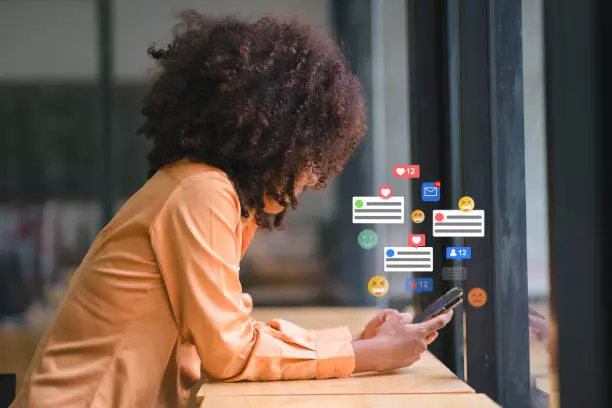
Social media has changed how people live, work, and connect. It started as a simple way to share thoughts online. Today, it is a global space where ideas, culture, and news move instantly. Platforms shape conversations and influence decisions in real time. For many, it is not just a tool but part of daily life. With so much content, users often search for better ways to explore, such as through tools like instanavigation.
Evolution of Social Media
In the early days, social media was designed mainly for connecting friends and sharing updates. Simple features like status posts and photo sharing made communication more personal. Over time, these platforms expanded into business, politics, and education. Today, they serve as tools for networking, customer service, and even global movements. The rapid growth shows how technology adapts quickly to human needs.
The Speed of Connection
One of the greatest strengths of social media is speed. News spreads within seconds, reaching millions around the world. A single tweet or video can become viral in minutes, influencing how people think and act. This instant communication has changed journalism, marketing, and personal conversations. Where people once waited for newspapers or television updates, they now watch events unfold in real time.
Social Media for Business
Companies, both small and large, rely heavily on social platforms. For businesses, social media provides cheaper advertising, direct communication with customers, and valuable data on trends. Small shops can promote their products without large budgets, while global corporations analyze user behavior to improve their strategies. This open marketplace has transformed the way businesses compete and grow.
Opportunities for Individuals
For individuals, social media creates endless opportunities. People learn new skills through tutorials, join online communities, and share their creativity with the world. LinkedIn helps professionals find jobs and network. YouTube and Instagram allow artists, educators, and influencers to build careers. Many people have turned hobbies into full-time work by connecting with audiences who support their passions.
Challenges of Social Media
Despite its advantages, social media also presents challenges. One of the biggest is misinformation. False stories often spread faster than corrections, shaping opinions and sometimes even political decisions. Although platforms now add fact-checking features, the responsibility also falls on users to think critically.
Mental health is another concern. Constant exposure to filtered lifestyles can lead to comparison, stress, and anxiety. Young people, in particular, are at risk of low self-esteem and poor sleep due to excessive screen time. Learning to balance online and offline life is essential.
Privacy is a growing issue as well. Every post and like creates data, which companies use for advertising and tracking. While this helps businesses deliver targeted ads, many users worry about who controls their information. Governments and tech firms continue to debate stronger privacy laws.
Positive Social Impact
Despite these problems, the positive side of social media is powerful. Families stay connected across long distances. Social movements, such as climate change campaigns and the #MeToo movement, found their strength online. Communities form around shared interests, giving people support and a sense of belonging. Social media has become a stage where ordinary people can influence society.
Education and Creativity
Education has gained a new dimension through social platforms. Teachers share resources with colleagues and students. Learners join study groups on platforms like Discord or Facebook. LinkedIn helps graduates explore careers and connect with mentors. Knowledge flows freely, crossing borders and time zones.
Creativity also thrives in the digital world. Musicians, writers, and artists showcase their work to global audiences. A short video can go viral overnight, bringing recognition that was once hard to achieve. Social media breaks down barriers, giving talent the chance to shine without traditional gatekeepers.
The Future of Social Media
The future will bring even deeper changes. Artificial intelligence will make content recommendations more personal. Virtual reality may create immersive online experiences. Shopping and payments are already becoming more interactive on platforms like Instagram and TikTok. These innovations show that social media will continue to shape everyday life.
Using Social Media Wisely
The real challenge lies in how people use it. Setting healthy limits, choosing trustworthy sources, and protecting privacy are key. While platforms provide the tools, users control their own experience. Responsible use ensures that the benefits outweigh the risks.
Conclusion
Social media is both a tool and a reflection of society. It connects people, spreads knowledge, and creates opportunities. At the same time, it raises concerns about misinformation, mental health, and privacy. By using it thoughtfully, individuals and businesses can unlock its full potential. Social media is not just shaping the presentbit is guiding the future.