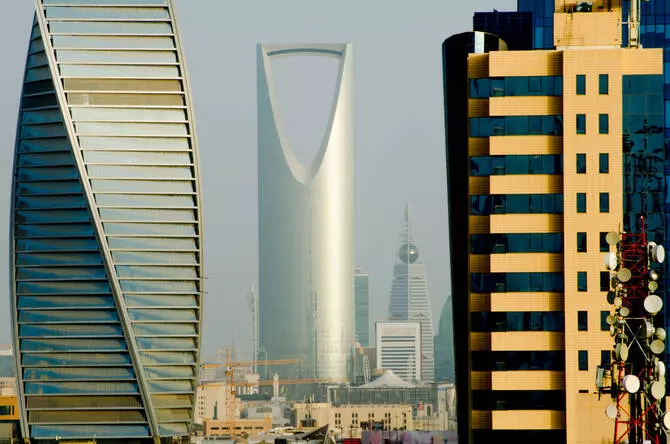
The Power of Islamic Finance: Unlocking Wealth in Saudi Arabia
Islamic finance is changing how people build wealth in Saudi Arabia. It follows Islamic rules, offering fair and honest ways to grow money. Tied to Vision 2030, it’s helping the Kingdom move away from oil and draw in investors. This piece looks at how Islamic finance works, why it’s strong, and how it’s shaping Saudi Arabia’s future. We’ll answer questions people ask to share clear, useful tips.
What Is Islamic Finance?
Islamic finance is a way of banking and investing that sticks to Sharia, or Islamic law. It skips interest (called riba), risky bets, and businesses like alcohol or gambling. In Saudi Arabia, it’s a big part of the economy, matching the country’s faith and values. The Kingdom leads the world in this market, with assets worth over $800 billion a few years back.
- No Interest: Banks share profits and losses instead of charging interest.
- Honest Investments: Money goes to good businesses, like healthcare or tech.
- Shared Risk: Deals like mudarabah split risks and rewards fairly.
It’s a fair, steady way to make money that fits Saudi beliefs.
Why Is Islamic Finance Booming in Saudi Arabia?
Saudi Arabia is the top spot for Islamic finance because of its strong economy and deep faith. Vision 2030, started in 2016, wants to grow industries beyond oil. Islamic finance helps by funding projects and businesses the right way. Here’s why it’s taking off.
Matching Saudi Values
Islamic finance feels right for Saudis. The Kingdom is home to Mecca and Medina, so Sharia-based banking is a natural fit. People trust it because it follows their faith and way of life.
- Faith-Based Choice: Saudis like finance that follows the Quran.
- Community Good: It shares wealth, not just bank profits.
- Moral Appeal: It skips harmful businesses, drawing ethical investors.
This connection builds trust and makes it popular.
Backing Vision 2030
Vision 2030 wants to grow tourism, tech, and other fields. Islamic finance funds big projects like NEOM and The Red Sea. The Public Investment Fund (PIF), with over $700 billion, uses it to push these plans.
- Big Projects: Islamic bonds, called sukuk, fund places like Qiddiya.
- Small Businesses: It helps startups grow, creating jobs.
- World Appeal: It pulls in investors from abroad.
It’s a key part of making the economy bigger and stronger.
Growing Worldwide
Islamic finance is getting bigger globally, hitting $5.4 trillion in 2024. Saudi Arabia holds a big chunk of this market. Banks like Al Rajhi lead with services that follow Sharia, catching the eye of investors everywhere.
- Sukuk Growth: The Kingdom issued $12 billion in sukuk in 2023 for projects.
- Tech Push: Apps like Fintech Saudi make Islamic banking easy.
- Wealth Plans: Rich Saudis want investments that match their faith.
This global rise makes Saudi Arabia a go-to place for Islamic finance.
How Does Islamic Finance Build Wealth?
Islamic finance grows money in honest, steady ways. It uses special tools to fund businesses and projects while keeping risks fair. Here’s how it works in Saudi Arabia.
Sukuk: Islamic Bonds
Sukuk are like bonds but follow Islamic rules. They give profits from real things, like buildings or projects, instead of interest. Saudi Arabia’s sukuk market is growing fast, funding roads and green projects.
- Green Sukuk: Supports eco-friendly work like solar power.
- Steady Profits: Offers good returns with less risk than stocks.
- Open to All: Both locals and foreigners can invest.
Sukuk are a safe way to join Saudi Arabia’s growth.
Mudarabah and Musharakah
These are team-up models. In mudarabah, you give money to someone who runs a business, and you split the profits. In musharakah, everyone puts in money and shares risks and rewards. These help startups and small businesses in Saudi Arabia.
- Startups: Tech and health businesses get funding this way.
- Fair Deals: Nobody wins if others lose.
- Job Growth: Small businesses create thousands of jobs.
These tools make Islamic finance open to everyone.
Zakat and Giving Back
Zakat is a must-do charity in Islam, giving wealth to those in need. In Saudi Arabia, it funds schools, hospitals, and more, helping the economy. It also keeps wealth-building honest.
- Helping Others: Zakat cuts poverty and builds community.
- Economic Lift: It creates jobs and builds projects.
- Feel-Good Factor: Investors like knowing they’re helping.
Zakat makes Islamic finance fair and long-lasting.
Challenges in Islamic Finance
Islamic finance is strong, but it has hurdles in Saudi Arabia. Knowing these helps investors plan better.
Tricky Rules
Islamic finance follows strict Sharia rules, which can be hard to manage. Every bank needs a Sharia board to check products. Rules also vary across countries, complicating deals.
- Scholar Checks: Boards slow things down to ensure fairness.
- Global Gaps: Saudi rules differ from places like Malaysia.
- Training Needs: Workers need to learn Islamic finance rules.
A ksa financial services company can help sort out these rules.
Fewer Options
Islamic finance avoids risky stuff like stock market bets. This means fewer choices compared to regular banking. But new ideas are helping close this gap.
- Limited Tools: No risky bets like options or futures.
- Slow New Ideas: Sharia approval takes time for new products.
- Tech Growth: Apps are bringing new, approved options.
Investors need to dig to find the best fit.
How to Get Into Islamic Finance in Saudi Arabia
Here’s how investors can jump in:
- Find Experts: Team up with a Sharia-compliant investment company Saudi Arabia for advice.
- Try Sukuk: Buy bonds for steady, ethical returns.
- Mix It Up: Invest in property, startups, and tech for balance.
- Use Apps: Platforms like Fintech Saudi make banking simple.
These steps help grow wealth while staying true to faith.
Questions People Ask
Here are answers to common questions, based on searches:
What’s Islamic Finance?
It’s banking and investing that follows Islamic rules, skipping interest and bad businesses. It’s about fair, ethical growth.
Why’s It Big in Saudi Arabia?
It matches the Kingdom’s faith and supports Vision 2030. Saudis and global investors trust it.
How Can Investors Gain?
Sukuk and partnerships offer steady, ethical profits. They fund projects with big potential.
What Are the Risks?
Tricky rules and fewer options can be tough. Local experts help manage these.
Conclusion
Islamic finance is powering wealth in Saudi Arabia. It funds Vision 2030 projects, creates jobs, and draws investors with honest, stable ways. Tools like sukuk and mudarabah let people grow money while staying true to faith. Even with challenges like complex rules, the sector is growing fast. By working with experts and exploring options, investors can tap into Saudi Arabia’s thriving Islamic finance market. Now’s the time to get involved.