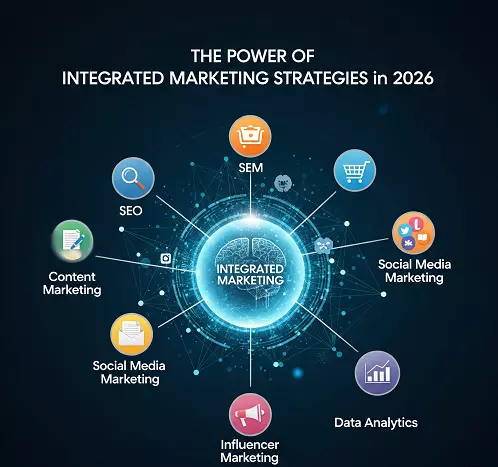
The Power of Integrated Digital Marketing Strategies in 2026
Digital marketing is no longer about picking one channel and hoping it works. In 2026, businesses that thrive are the ones that embrace integration-building strategies where SEO, paid advertising, content, and social media all work together like instruments in a symphony.
The result? More visibility, stronger engagement, and sustainable growth.
Why Integration Matters More Than Ever
In the early days of online marketing, companies often focused on a single tactic. One business might pour everything into Facebook ads, while another invests heavily in SEO. But in today’s competitive digital world, no single channel is enough.
- SEO provides long-term visibility.
- Paid ads generate immediate traffic.
- Social media builds trust and engagement.
- Content marketing nurtures audiences and drives conversions.
When these channels work in isolation, opportunities slip through the cracks. But when they’re aligned, they amplify one another, turning campaigns into growth engines.
The Consumer Journey Has Changed
The path to purchase in 2026 is rarely linear. A customer might:
- Discover a brand on TikTok.
- Research it on Google.
- Read reviews on Instagram or Reddit.
- See a retargeted ad on YouTube.
- Finally, purchase an email reminder.
This multi-touch journey means businesses can’t afford to have disjointed marketing. Integration ensures that no matter where the customer interacts, the message feels consistent, trustworthy, and compelling.
Key Elements of an Integrated Strategy
1. Unified Messaging Across Channels
Your SEO keywords, ad copy, and social media captions should all echo the same core message. Consistency builds recognition and trust.
2. Data Sharing Between Platforms
Insights from Google Ads can inform SEO keyword targeting. Social engagement data can shape blog content. Email performance can influence ad creatives. Integrated strategies connect the dots.
3. Content as the Hub
High-quality content serves as the foundation. Blog posts, videos, and case studies can be repurposed across SEO, ads, and social, making your marketing more efficient.
4. Cross-Channel Retargeting
Customers rarely convert on the first touchpoint. Retargeting across channels, search, social, and display keeps your brand top of mind until they’re ready to act.
The Role of Technology in Integration
Advances in analytics and automation are making integration easier. Tools now allow businesses to:
- Track customer journeys across multiple platforms.
- Automate email follow-ups based on ad clicks.
- Segment audiences with precision.
But while technology enables integration, it’s the strategy behind it that makes it effective.
Challenges Businesses Face
While integration sounds ideal, many businesses struggle to execute it effectively.
- Siloed teams: SEO, social, and paid ad teams often work separately.
- Budget misalignment: One channel may dominate spending while others get ignored.
- Lack of expertise: Integration requires a holistic understanding of digital marketing, not just one specialty. Businesses looking to upskill their teams alongside outsourcing can explore resources like TheDownloadly, which offers free courses and learning materials to strengthen in-house knowledge while agencies handle execution.
This is why many companies partner with digital marketing agencies that specialize in building integrated strategies.
Integrated Marketing in Action
Imagine a brand launching a new product. Here’s how an integrated strategy could look:
- SEO-optimized blog posts introduce the product’s features.
- Paid Google Ads target customers searching for similar solutions.
- Instagram Reels showcase behind-the-scenes stories.
- An email campaign nurtures leads who engaged with the ads or content.
- Retargeting ads close the loop for customers still on the fence.
Each channel supports the others, creating a seamless journey from awareness to conversion.
Why Businesses Are Outsourcing Integration
Trying to manage all of this in-house is overwhelming. It requires expertise in SEO, advertising, social media, content, and analytics. Outsourcing to a full-service agency allows businesses to focus on growth while specialists manage the complexity.
Agencies like SERP Venture provide this type of integrated approach. Instead of piecing together disjointed tactics, they design strategies where every channel works together, ensuring businesses don’t just get clicks, but meaningful results.
Looking Ahead: The Future of Integrated Marketing
By 2026 and beyond, integration will only become more important as:
- AI-driven personalization tailors experiences across multiple platforms.
- Social search engines (like TikTok and Instagram search) continue to rise.
- Customer expectations demand seamless experiences from discovery to purchase.
Brands that invest in integration today will be the leaders of tomorrow.
Final Thoughts
Digital marketing is no longer about picking sides, SEO versus ads, social versus content. The future belongs to businesses that bring it all together. Integration ensures every touchpoint, from a Google search to a TikTok video, tells the same story and drives the same outcome.
In 2026, success isn’t just about being seen, it’s about being remembered. And with integrated strategies guiding the way, businesses can achieve both.