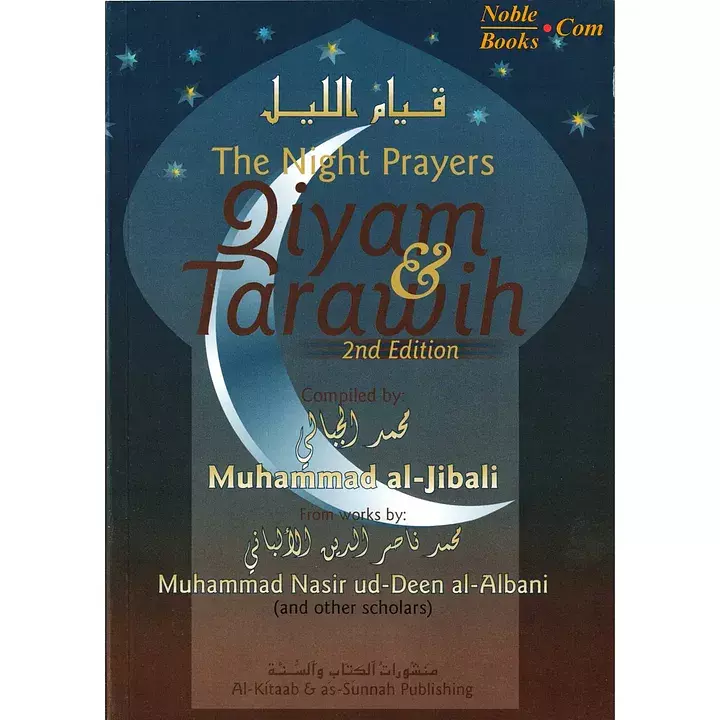
The Night Prayers Qiyam & Tarawih By Muhammad Al-Jibaly
The night prayer, or Qiyam al-Layl, has a privileged position in Islam. It is a deed of piety done while the world is asleep, praying to be close to Allah in peace and quiet. Muhammad Al-Jibaly’s The Night Prayers: Qiyam & Tarawih extensively covers this topic by explaining its importance, advantages, and detailed rulings based on the Qur’an and true Hadith.
This book sheds light on the fact that the Prophet ﷺ and his companions never left this lofty practice behind. It highlights how Qiyam al-Layl enhances one’s bond with Allah, providing spiritual insight, humility, and purpose in life. The night prayer is not merely a ritual but an individual experience that cleanses the soul.
The Virtue of Standing at Night
One of the major themes of the book is the excellence and reward of praying while standing at night. The Qur’an points to the fact that those who pray at night bowing and prostrating will be among the blessed ones. Al-Jibaly skillfully brings together proofs from the Qur’an and Hadith that invite believers to pray while standing frequently.
Nightly prayers usher in tremendous spiritual elevation. As the heart joins its Master in the stillness of night, the believer finds himself with sincerity, peace, and God’s mercy. The book offers numerous accounts reminding readers that closest a slave can be to his Master is in sujood, particularly during the stillness of the night.
Tarawih: The Ramadan Night Worship
Tarawih is a unique night prayer performed especially during the month of Ramadan. The book has a comprehensive section on this practice. It explains how the Prophet ﷺ prayed Tarawih with his companions for a few nights and then discontinued out of fear lest it became obligatory. This wisdom demonstrates his extreme concern for the convenience of his followers.
The writer describes how Umar ibn al-Khattab subsequently reinstated the Tarawih in congregation and brought back its collective meaning. Nowadays, Muslims worldwide assemble in masjids for Ramadan, and this book beautifully conveys the historical and spiritual value of that action. Tarawih is not an optional prayer it is a collective and spiritual renewal on the holiest nights of the year.
The Methodology of Performing Night Prayers
One of the book’s strengths is that it provides extensive guidance on the practicalities of Tarawih and Qiyam. The book tackles the number of rak’ahs, recitation time, suggested du’as, and etiquette of night prayers. It assists the reader to conduct these acts properly and with profound consciousness.
The writer also clarifies common misconceptions, for example, if there is a specific number of rak’ahs for Tarawih. Based on sound Hadith, he gives the practice of the Prophet and scholarly views to allow the reader to make proper choices regarding their night prayers. Clarity on issues like this instills confidence and consistency in worship.
Night Prayers and the Lives of the Righteous
Al-Jibaly eloquently depicts how the righteous elders, the Prophet ﷺ, the companions, and the early Muslim generations preserved the practice of night prayer. Narratives of their devotion how they cried in sujood and pleaded for Allah’s mercy in solitude provide a compelling inspiration for contemporary Muslims.
These instances illustrate how night prayer molded the personality of the early Muslims. Their faithfulness, resilience in trials, and selflessness from the dunya were a result of spending their nights with their Lord. The book presents a compelling argument that to regain our ummah’s strength, we need to revive this lovely sunnah.
Emotional and Spiritual Benefits of Night Prayer
One of the more intimate elements of the book is its focus on the emotional healing brought by night prayers. Al-Jibaly broaches the topic of how Qiyam al-Layl aids the believer in coping with sadness, tribulations, and personal struggles. When the world gets too much, seeking Allah in the final third of the night delivers unparalleled peace.
Night is the time when du’as are listened to and when Allah comes down to the lowest heaven, inquiring who is calling out to Him. The book invites readers to talk to Allah in their own words at these peaceful hours, asking for forgiveness, guidance, and courage. It elevates night worship from ritual to intimate conversation with the Creator.