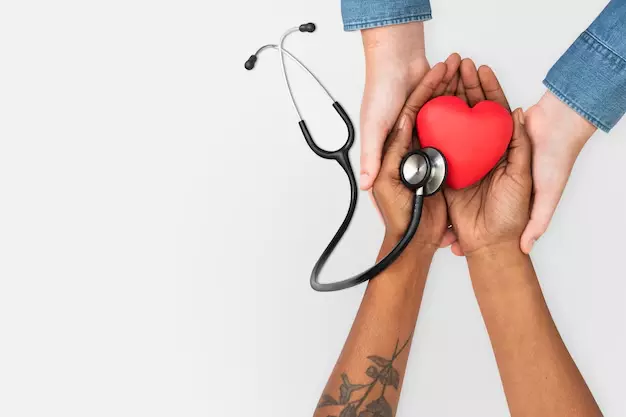
The Link Between Primary Care and Better Disease Management
Primary care plays a key role in keeping people healthy and managing diseases effectively. It serves as the first point of contact for patients, helping them with early detection, prevention, and treatment. Primary Care Physicians are essential because they develop long-term relationships with patients, track their health over time, and coordinate with specialists when needed. This ongoing care helps in preventing complications and improving overall well-being.
Early Detection and Prevention
One of the biggest benefits of primary care is catching diseases early. Regular check-ups help doctors identify risk factors and take action before a disease becomes serious. Conditions like diabetes, high blood pressure, and heart disease can be managed well if they are detected at an early stage.
Managing Chronic Diseases
People with chronic illnesses need continuous care to avoid complications. Primary care providers create personalized treatment plans, adjust medications, and give lifestyle advice. Their constant monitoring ensures that diseases like asthma, arthritis, and depression are kept under control.
Better Coordination with Specialists
When a patient needs a specialist, primary care doctors help in referrals and communication. They ensure that different healthcare providers are on the same page, reducing the risk of medical errors and unnecessary tests.
Improving Mental Health
Primary care is not just for physical health—it also plays a major role in mental health. Many patients feel more comfortable discussing mental health issues with their primary care doctor before seeing a psychiatrist. This helps in the early treatment of anxiety, depression, and other conditions.
The Role of Telemedicine in Modern Healthcare
Technology is changing the way people access healthcare. telemedicine in Lawrenceville NJ allows patients to consult with doctors remotely, making healthcare more accessible. This is especially useful for people with mobility issues, busy schedules, or those living in remote areas. Telemedicine ensures that patients receive timely advice, reducing unnecessary hospital visits.
Reducing Emergency Room Visits
Many emergency room visits could be avoided with proper primary care. By having regular check-ups and addressing health concerns early, patients can manage their conditions without the need for emergency treatment. This not only saves money but also reduces the burden on hospitals.
Encouraging Healthy Lifestyles
Primary care providers educate patients about healthy habits, including diet, exercise, and quitting harmful substances like tobacco and alcohol. Preventive advice helps individuals make better choices, leading to a healthier population overall.
Stronger Patient-Doctor Relationships
A long-term relationship with a primary care provider builds trust and comfort. Patients are more likely to share personal health concerns, leading to better treatment outcomes. This ongoing connection also helps doctors track changes in health more effectively.
Conclusion
Primary care is essential for managing diseases, improving health, and reducing healthcare costs. From early detection to chronic disease management, primary care ensures better health outcomes. Embracing modern solutions like telemedicine makes healthcare even more effective and accessible for all.