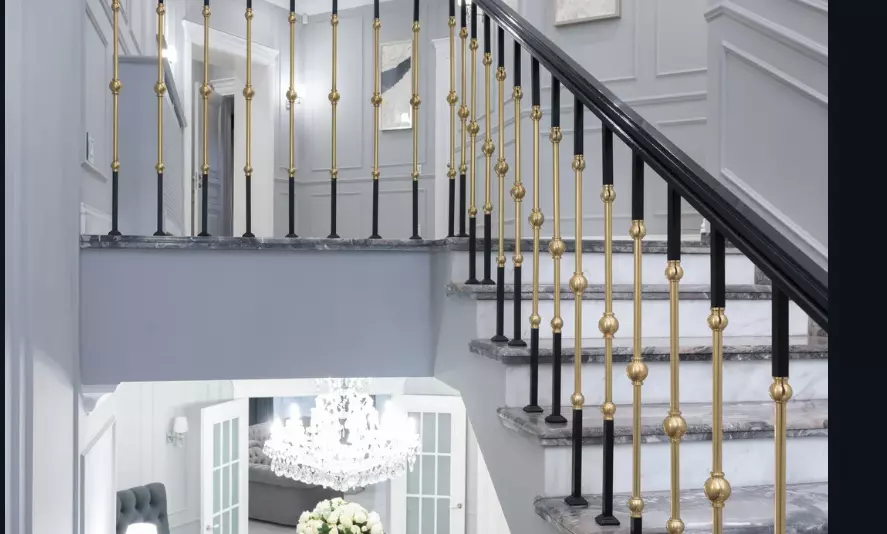
The Importance of Proper Stair and Railing Installations for Safety
Stairs are an essential part of residential, commercial, and public buildings. They provide access between levels and are often one of the most frequently used structural features. However, stairs can also become a major safety hazard if they are not designed, installed, or maintained correctly.
According to various safety reports, thousands of accidents occur every year due to poorly constructed or faulty staircases and railings. This makes proper stair and railing installations not only a matter of convenience but also a critical aspect of ensuring safety and customer satisfaction.
In this blog, we’ll explore why proper installations matter, the risks of neglecting them, and the best practices for safer and more durable stair and railing systems.
Why Proper Stair and Railing Installations Matter
1. Preventing Accidents and Injuries
Slips, trips, and falls are among the most common household and workplace accidents. Poorly installed stairs or unstable railings increase the likelihood of such incidents. A staircase with uneven steps or loose railings can cause serious injuries, especially for children, elderly individuals, and people with mobility issues.
2. Ensuring Structural Integrity
A well-installed stairway is built to last. Proper materials, accurate measurements, and professional installation prevent premature wear and tear. This ensures that the staircase can withstand daily use and heavy foot traffic without compromising its strength.
3. Compliance with Building Codes
Every city or region, including New York, has building codes that dictate the standards for staircases and railings. These regulations are in place to guarantee safety and accessibility. Non-compliance not only increases the risk of accidents but can also result in legal issues, fines, or problems when selling a property.
4. Boosting Property Value
A properly constructed staircase with secure railings enhances the aesthetic appeal of a home or commercial building. Beyond safety, a well-designed and installed staircase adds value to a property by showcasing quality craftsmanship, whether it’s a custom project from an Iron Works company or modern railing systems that emphasize durability.
Common Safety Risks of Poor Installations
Even small mistakes during installation can create long-term risks. Some of the most common hazards include:
- Uneven Step Heights: When risers are inconsistent, people can easily trip.
- Loose or Wobbly Railings: A railing that doesn’t support body weight can fail when needed most.
- Insufficient Railing Height: Low railings increase the risk of falls, especially on higher levels.
- Slippery Surfaces: Using the wrong materials or finishes on steps can lead to dangerous slips.
- Poor Lighting Placement: Without adequate visibility, stairs can become unsafe, even with proper installation.
Materials That Enhance Safety
The choice of materials for stairs and railings significantly affects both safety and durability.
- Wood: Traditional and versatile but requires proper sealing and maintenance.
- Metal (Iron, Aluminum, or Steel): Strong, durable, and suitable for both indoor and outdoor installations. For example, iron railings are not only stylish but also reliable when crafted by experienced Iron Works specialists.
- Aluminum Railings: Lightweight, corrosion-resistant, and require minimal maintenance.
- PVC Railings: Popular for outdoor use due to weather resistance and affordability.
- Glass Railings with Metal Frames: Provide modern aesthetics while maintaining safety, though tempered glass is essential.
- Wrought Iron Railings: Known for durability and custom designs, often seen in EXTERIOR RAILING applications.
Choosing the right material ensures not only long-lasting performance but also reduces the chances of accidents caused by material failure.
Best Practices for Safe Stair and Railing Installations
1. Hire Professionals
While DIY projects may seem cost-effective, stair and railing installations require technical precision. Professional installers understand building codes, proper measurements, and the correct fastening methods for durable results. Trusted Iron Works companies in New York focus on both safety and customer satisfaction, ensuring that projects are built to last.
2. Use Non-Slip Surfaces
Adding non-slip treads or textured finishes to steps helps prevent slips, especially in outdoor or high-traffic areas.
3. Maintain Proper Dimensions
The ideal stair riser height is typically between 7–7.75 inches, and tread depth should be around 10–11 inches. Uniformity is crucial—just one uneven step can create a trip hazard.
4. Install Sturdy Handrails
Handrails should be at a comfortable height (usually 34–38 inches) and securely anchored. They should be able to support significant weight in case someone falls against them.
5. Regular Maintenance
Even the best installations need upkeep. Regular inspections for cracks, loose fittings, or rust help catch problems early before they become major hazards.
6. Adequate Lighting
Installing proper lighting along stairways enhances visibility, reducing accidents during nighttime use. Motion-sensor lights or LED strips are effective solutions.
Benefits Beyond Safety
Proper stair and railing installations offer more than just protection. They also contribute to:
- Accessibility: Well-designed stairs and railings make spaces safer for people with disabilities, seniors, or young children.
- Aesthetics: Stylish iron railings or modern aluminum designs add elegance to interiors and curb appeal to exteriors.
- Durability: High-quality installations withstand weather conditions, heavy use, and time.
- Customer Satisfaction: A reliable installation not only makes the property safe but also gives homeowners and business owners confidence in their investment.
Signs It’s Time for Repair or Replacement
Even well-installed systems eventually need attention. Watch out for these warning signs:
- Wobbly or loose railings
- Cracks in wooden steps or railings
- Rust or corrosion on metal railings
- Squeaking, uneven, or broken steps
- Faded paint or chipped finishes that expose the material underneath
Addressing these issues promptly ensures continued safety and avoids costly future repairs.
Conclusion
Staircases and railings are more than just functional structures; they are vital safety features in any property. Proper installations reduce risks, enhance durability, and add aesthetic and financial value to a home or business. Whether it’s a custom iron railing from a skilled Iron Works shop in New York, a modern aluminum railing for contemporary spaces, or a durable EXTERIOR RAILING for outdoor staircases, investing in quality installation and maintenance pays off in the long run.
When it comes to stairs and railings, cutting corners is never worth the risk. Choosing the right materials, following building codes, and hiring experienced professionals ensures both safety and customer satisfaction. In the end, every safe step you take reflects the quality and care put into the installation.