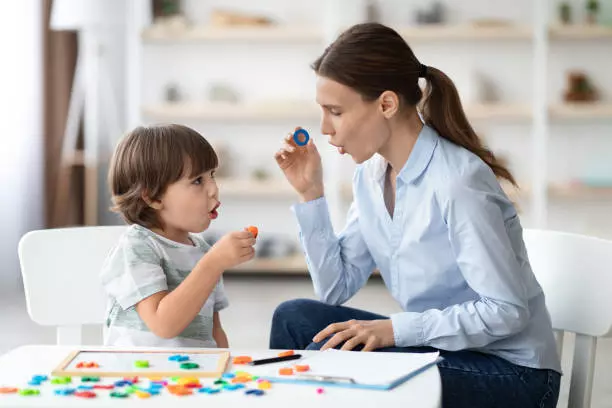
The Importance of Paediatric Speech Pathology in Early Childhood Development
Communication is one of the most crucial skills children develop in their early years. It’s the foundation for everything they’ll learn later in life, from academic success to social interaction. But for some children, developing these skills can be a challenge. Paediatric speech pathology plays a critical role in helping these children navigate and overcome these challenges, ensuring they grow up confident and capable communicators.
In this article, we will explore the importance of paediatric speech pathology in early childhood development, why it’s essential to intervene early, and how paediatric speech pathologists can help children build essential language and communication skills.
What is Paediatric Speech Pathology?
Paediatric speech pathology focuses on diagnosing and treating speech, language, and communication disorders in children. This area of speech therapy helps children overcome issues with speech articulation, language comprehension, fluency, and social communication.
Paediatric speech pathologists (also known as speech therapists) work with children from infancy through to adolescence to develop and improve their ability to communicate.
The Role of Paediatric Speech Pathologists
A paediatric speech pathologist assesses each child's unique needs and creates a treatment plan tailored to their developmental stage. They work on improving the clarity of speech, understanding of language, and the ability to socially interact using verbal communication.
For children struggling with communication, speech therapy sessions can be a turning point, helping them communicate more effectively and build the skills needed for school, social interactions, and future success.
Why is Early Intervention Important?
Early intervention is a game-changer when it comes to speech and language development. The earlier children receive support for speech delays, the more likely they are to catch up with their peers and develop strong communication skills.
Research has shown that early speech therapy can significantly improve a child's speech clarity, language comprehension, and overall academic performance.
The Window of Opportunity
The first few years of life are a critical time for speech and language development. During this period, a child’s brain is highly receptive to learning, making it the ideal time to address any speech or language delays. If left untreated, these delays can lead to problems in school and affect social development, causing challenges in making friends and expressing themselves clearly.
Statistical Evidence
According to the American Speech-Language-Hearing Association (ASHA), about 10-15% of children experience speech and language delays. In Australia, it's estimated that 1 in 10 children will struggle with some form of speech or language disorder during their early years.
These statistics highlight the prevalence of communication challenges in young children and the importance of seeking professional help early on.
Key Areas Paediatric Speech Pathologists Focus On
Paediatric speech pathologists work on several aspects of communication development. These include:
1. Articulation and Speech Clarity
One of the most common issues children face is articulation, or how they pronounce words. Difficulty pronouncing certain sounds or syllables is often a natural part of development, but some children may need extra help to produce sounds correctly.
Speech pathologists work on improving articulation by using a variety of exercises to strengthen the muscles used in speech, teach proper sound production, and help children speak more clearly.
2. Language Comprehension and Vocabulary
A child’s ability to understand and process language is crucial for their development. Some children may have difficulty following simple instructions, understanding new vocabulary, or making sense of what they hear.
Paediatric speech pathologists use games, stories, and other methods to increase a child’s comprehension, helping them better understand spoken and written language.
3. Social Communication Skills
Effective communication is not just about words—it’s about understanding how and when to use them. Children with social communication challenges may struggle to hold conversations, take turns in speaking, or understand social cues like body language and facial expressions.
Paediatric speech pathologists work with children to build these skills, helping them navigate social interactions and build meaningful relationships with peers.
4. Fluency (Stuttering)
Fluency, or the smoothness of speech, is another key area that paediatric speech pathologists address. Children who stutter may experience difficulty speaking smoothly, and this can affect their confidence and communication ability.
Speech pathologists use techniques such as controlled breathing and slow speech to help children improve their fluency and feel more confident speaking.
How Paediatric Speech Pathology Supports Long-Term Development
When children face communication difficulties, it can impact not just their ability to speak clearly, but their ability to learn, interact, and grow socially. Paediatric speech pathology plays a vital role in overcoming these challenges and setting children up for long-term success.
Building Confidence Through Communication
One of the greatest benefits of paediatric speech pathology is its ability to boost a child’s self-esteem. Children who struggle with communication often feel frustrated or embarrassed, which can lead to social isolation. Paediatric speech pathologists provide a safe, supportive environment where children can practice speaking without fear of judgment.
As children make progress, they gain confidence in their abilities, which can have a positive impact on other areas of their life.
Academic Success
Strong communication skills are essential for academic achievement. Children who struggle to express themselves may find it difficult to participate in classroom activities, follow instructions, or express their ideas clearly in writing.
Early intervention in speech therapy can improve not only a child’s ability to speak and understand language but also their overall academic performance.
Social Interaction and Peer Relationships
Communication is the foundation for building relationships with others. When children have difficulty speaking or understanding others, it can affect their ability to make friends and engage in social activities.
Paediatric speech pathologists work with children to improve their social communication skills, helping them interact more effectively with peers, teachers, and family members.
Read: Physiotherapy in Markham: Empowering Movement and Lasting
Paediatric Speech Pathology in Australia: How Iconic Care Group Can Help
If you are concerned about your child’s communication skills, seeking professional help from a paediatric speech pathologist can be the first step towards a brighter future. Paediatric Speech Pathology in Australia has become a key part of early childhood development, with many families seeking help for speech delays, stuttering, and other communication issues.
Iconic Care Group provides professional paediatric speech pathology services designed to meet the unique needs of each child. With a team of experienced speech pathologists, we offer a range of services that can help children overcome their communication challenges and thrive in all areas of life.
If you’re interested in learning more about how paediatric speech therapy can support your child’s development, visit our Paediatric Speech Pathology in Australia page for more information on our services and how to get started.
Conclusion
Paediatric speech pathology is an essential part of early childhood development. By addressing speech, language, and communication challenges early on, children are given the best possible chance to succeed academically, socially, and emotionally.
Whether your child needs help with articulation, language comprehension, social communication, or fluency, paediatric speech pathology provides the support they need to thrive.