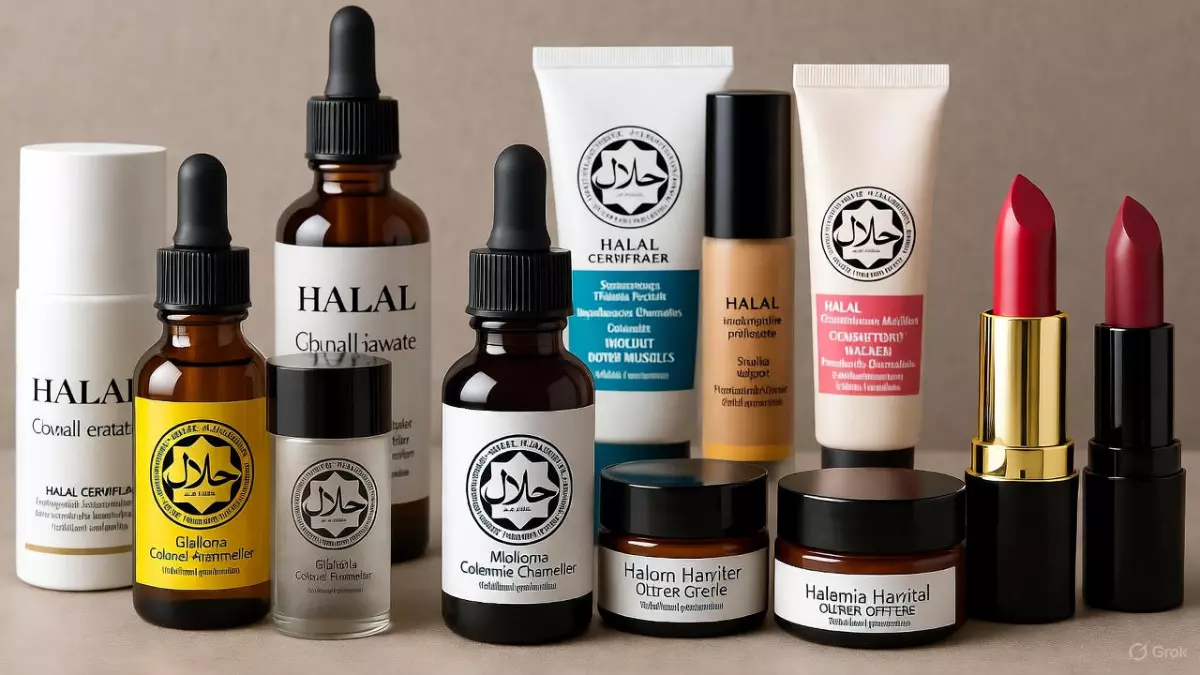
The Importance of Halal Cosmetics Certification: A Growing Trend in the Beauty Industry
The demand for halal cosmetics has surged as consumers become more conscious of the ingredients in their beauty products. This trend reflects a broader shift towards ethical and sustainable consumption. As more brands seek to cater to this growing market, understanding halal cosmetics certification becomes essential for both consumers and manufacturers.
This blog post explores the significance of halal certification for cosmetics, the certification process, and the benefits it brings to the beauty industry.
What Is Halal Certification for Cosmetics?
Halal certification for cosmetics ensures that products comply with Islamic law, which governs what is permissible or lawful for Muslims. This certification process verifies that the ingredients used in cosmetics are free from any substances derived from non-halal sources, such as alcohol and certain animal by-products. As the halal cosmetics market expands, many consumers are looking for assurance that the products they purchase adhere to these principles.
The Role of Halal Certification in Cosmetics
The role of halal certification in cosmetics extends beyond compliance with religious guidelines. It also addresses the growing demand for transparency and ethical standards in the beauty industry. Consumers are increasingly seeking products that align with their values, including sustainability, cruelty-free practices, and the use of natural ingredients. Halal certification serves as an important benchmark for these standards.
Why Halal Cosmetics Certifications Matter
- Consumer Trust: Halal cosmetics certifications build trust among consumers who prioritize ethical sourcing and production methods. When brands display their halal certification, they signal their commitment to meeting consumer expectations.
- Market Expansion: For companies, obtaining halal certification can open doors to new markets. The halal cosmetics industry is growing rapidly, particularly in regions with significant Muslim populations. Brands that invest in halal cosmetics certifications can tap into this lucrative market.
- Ingredient Transparency: Halal certification requires thorough documentation of ingredients and sourcing practices. This transparency can enhance brand reputation and promote loyalty among consumers who prioritize informed choices.
The Certification Process
To obtain halal certification, companies must work with a recognized Halal Certification Agency. The process typically involves several key steps:
- Application Submission: Brands submit an application to the certification agency, detailing their products, ingredients, and manufacturing processes.
- Ingredient Review: The agency conducts a thorough review of all ingredients used in the cosmetics. This step ensures compliance with halal standards and identifies any non-halal components.
- Factory Audit: An on-site inspection of the manufacturing facility may be conducted to verify compliance with halal practices. This audit assesses the cleanliness of the production environment and the handling of raw materials.
- Certification Issuance: Once the agency is satisfied with the review and audit, it issues a halal certification, allowing the brand to market its products as halal-compliant.
- Ongoing Compliance: To maintain certification, companies must undergo periodic audits and renew their certification as required by the agency.
Choosing a Halal Certification Company
Selecting the right halal certification company is crucial for brands aiming to achieve compliance. Here are some factors to consider:
- Reputation: Look for a certification agency with a strong reputation and experience in the cosmetics industry.
- Accreditation: Ensure the agency is accredited by relevant bodies, which can lend credibility to the certification.
- Global Recognition: Opt for agencies that have global recognition, especially if the brand aims to export products to international markets.
- Support Services: Some agencies offer additional support services, including training and guidance on halal compliance, which can be beneficial for brands new to the certification process.
The Halal Cosmetics Market in the USA
The halal certification in the USA is gaining momentum as more consumers seek halal beauty products. The American market is unique, with a diverse consumer base that includes both Muslims and non-Muslims interested in ethical and natural products. Brands that pursue halal certification can capitalize on this expanding market.
- Consumer Awareness: As awareness of halal cosmetics increases, more consumers are actively seeking certified products, leading to a broader acceptance of halal standards.
- Diverse Product Offerings: The USA boasts a wide range of halal cosmetics, from skincare to makeup, appealing to various consumer preferences.
- Regulatory Support: The growing interest in halal cosmetics has prompted some regulatory bodies to offer guidance and support for brands seeking certification.
Benefits for Brands and Consumers
The benefits of halal certification extend to both brands and consumers:
For Brands:
- Increased Sales: With the rising demand for halal products, brands that obtain certification can see increased sales and market share.
- Enhanced Brand Image: Certification can enhance a brand’s image, positioning it as a leader in ethical and sustainable practices.
For Consumers:
- Peace of Mind: Consumers can purchase halal-certified cosmetics with the assurance that they meet specific ethical standards.
- Quality Assurance: Halal-certified products often emphasize quality ingredients and ethical sourcing, contributing to better product performance.
Conclusion
As the beauty industry continues to evolve, the importance of halal certification services cannot be overstated. Whether you are a consumer seeking ethical products or a brand looking to tap into the halal market, understanding the certification process and its benefits is essential.
By prioritizing halal cosmetics certification, stakeholders can contribute to a more ethical and sustainable beauty landscape. Embracing this trend not only benefits individual brands but also enhances consumer choice and trust in the cosmetics industry.