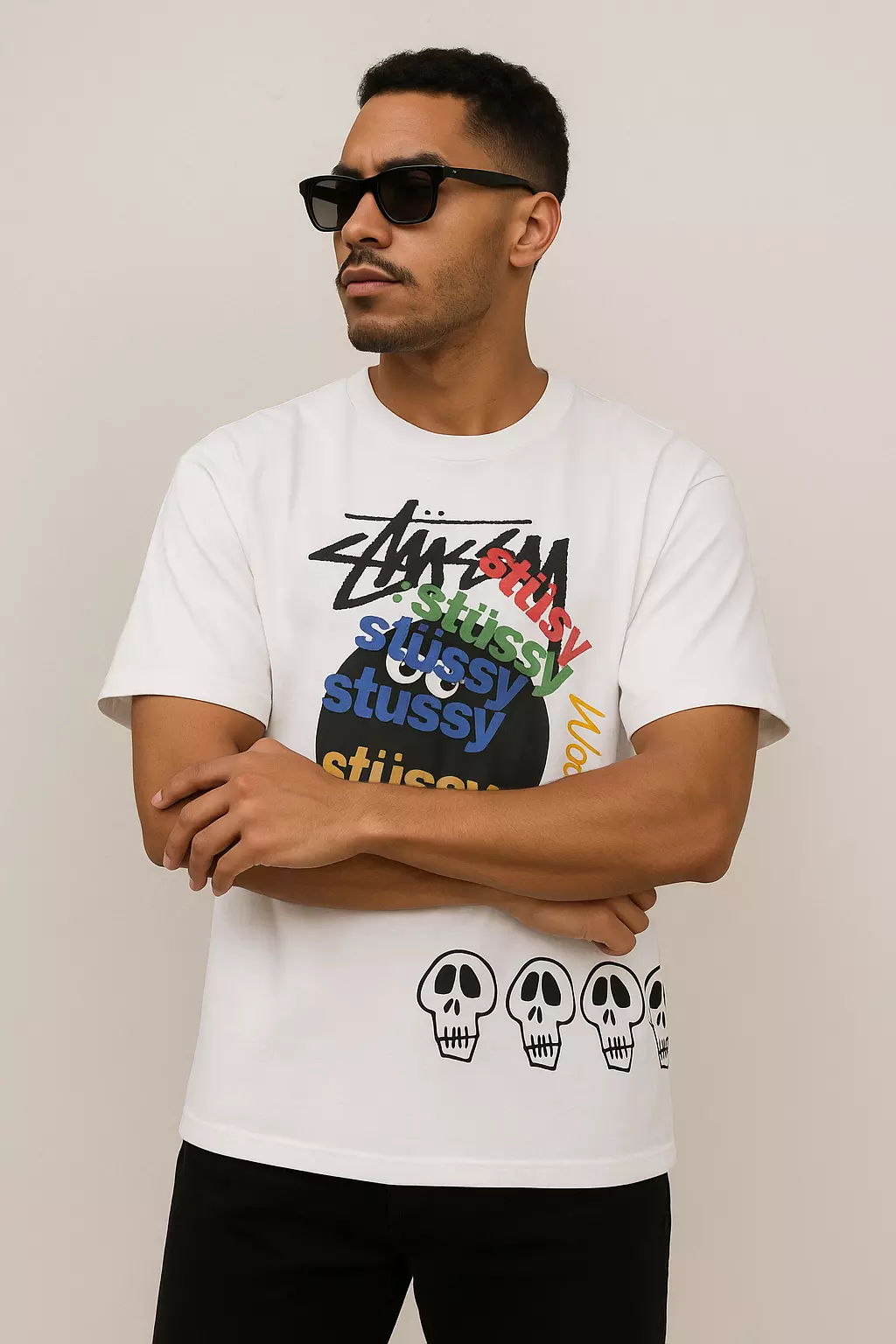
The History of Stussy From Surf Roots to Streetwear Royalty
It all started in the coastal calm of Laguna Beach. In the early 80s, Shawn Stussy was shaping custom surfboards with a chisel and a vision. Every board he crafted bore his now-famous scribbled surname. What began as a simple signature meant for water soon drifted into something much larger. He never intended to start a fashion revolution; it just happened.
The Signature That Sparked a Movement
The logo was raw, loud, and unmistakably personal. That scrawled name became a symbol of rebellion. Not polished. Not corporate. Just real. As he screen-printed it onto tees https://stussyhoodsusa.com/ to help sell his boards, the shirts began to gain a cult-like following of their own. People didn’t just want the boards anymore. They wanted the look.
Stussy’s Unexpected Leap Into Fashion
What followed was a pivot that no one expected. Shawn teamed up with Frank Sinatra Jr. (not the singer) to build something bigger. They launched a small apparel brand with a bold presence. The logo stayed the same, but the canvas expanded. Hoodies, caps, and jackets all dripping with coastal attitude and anti-fashion cool.
Cult Classic: The Rise of the Tribe
By the late 80s, Stussy had formed more than just a brand; it had birthed a movement. Dubbed the “International Stussy Tribe,” the label began connecting like-minded creatives across cities. DJs in Tokyo, graffiti artists in New York, and skaters in London all tapped into the same aesthetic. Not just fans, family.
Global Recognition Without Corporate Rules
While other labels chased department store deals, Stussy chose its own path. No ads. No big-box dilution. Just word of mouth, underground hype, and authentic design. That anti-establishment mindset only fuelled its rise. People trusted it not because it told them to but because it never tried to.
Pioneering the Streetwear Blueprint
Long before the word “streetwear” became mainstream, Stussy was writing the manual. Mixing elements of surf, punk, hip-hop, and skate into a single look wasn’t common; it was controversial. But it worked. The brand’s freedom, mismatched influences, and culture-first approach created a format that countless others would imitate.
Early Collaborations That Shaped the Industry
While collabs are the norm today, Stussy was among the first to do it with style. Early partnerships with Nike, Levi’s, and G-Shock showed how streetwear could merge with legacy labels without losing identity. These weren’t gimmicks. They were cultural crossovers that made headlines and history.
The Brand’s Evolution Through Decades
Stussy didn’t get stuck in nostalgia. Through the 90s, 2000s, and now, it kept its edge sharp and its identity intact. Collections matured. Cuts got cleaner. Colours evolved. But the energy stayed wild and rooted. Whether it was grunge-heavy in one era or minimal in another, it never forgot its DNA.
Why Stussy Still Dominates Today
It’s been decades since that first hand-drawn tag, but Stussy continues to lead. Not through noise but through consistency. It hasn’t chased clout. It hasn’t sold out. Instead, it’s remained loyal to the underground spirit it came from. That’s why it still sits at the table, while others fade after a few seasons.
Final Thoughts
Stussy didn’t ask to be royalty; it earned the crown through grit, style, and authenticity. From beachside boards to international wardrobes, the brand’s journey is a masterclass in staying real. It’s not just part of fashion history; it shaped it. And while others ride waves, Stussy built the ocean.