The Hidden Value of “Write for Us”: Boost Backlinks, Keywords & DA
When most people think about guest posting, the first things that come to mind are usually brand exposure and maybe a bit of referral traffic.
That is certainly part of it. But what often gets overlooked is how guest posting can improve your SEO rankings over time. The truth is, a well-placed guest post does more than just send a few visitors your way.
When done right, it becomes a long-term asset that helps you build quality backlinks, rank for more keywords, and grow your domain authority.
This article breaks down those three benefits and shows you how to get the most out of every “Write for Us” opportunity.
How Guest Posts Influence SEO Rankings
Before diving into the specific benefits, it helps to understand why guest posting matters for SEO in the first place. Backlinks are one of the top three ranking factors in Google’s algorithm.
The search engine sees a link from one site to another as a vote of confidence. More votes from reputable sites usually mean your site is more trustworthy and relevant.
Compared to other types of backlinks, guest post links offer a good balance of control and quality. Natural backlinks are great, but you cannot really control who links to you or when. Directory submissions have become less reliable over the years.
Paid ads stop working the moment you stop paying. Guest post links, on the other hand, give you the ability to choose where your link appears, what anchor text gets used, and how it fits into the content. And when those posts stay up for years, the SEO value keeps compounding.
Benefit 1: Building Backlinks That Actually Work
Start by looking for sites that allow dofollow links. Nofollow links are not useless, but dofollow passes more authority. You also want blogs that operate in your general industry or niche.
A backlink from a completely unrelated site does not carry the same weight. And the site itself should have some existing authority.
As a rough guideline, look for a domain rating or domain authority above 20 or 30. You can check these metrics using free tools like Moz Bar or Ubersuggest.
Anchor text deserves some attention as well. Branded anchors using your company name are generally safe. What you want to avoid is using the exact same keywords for every single link.
If half your backlinks say “best running shoes” with the exact same phrasing, Google may see that as unnatural. Mixing up your anchor text looks more organic.
Where you put the link is important, too. Links placed naturally within the body of the article perform much better than those sitting in the author bio alone.
And links in the comment section rarely pass any meaningful value. Aim for one to three dofollow links per guest post, and try to spread them between your homepage and deeper internal pages.
Benefit 2: Helping Your Keywords Rank Higher
Guest posts can do more than just pass link juice. They can also rank on their own. Every time you publish a guest article, you are adding another indexed page to the web that targets specific keywords.
Imagine that you write a post titled “How to Optimize Meta Tags for E-commerce Sites.” That page now has a chance to rank for that phrase and related long-tail variations.
Even if the blog is not a high-authority site, you still gain an additional foothold in the search results. And if someone finds that article and decides to click through to your site, even better.
There is also an indirect effect on your own site’s keyword performance. When you write guest posts on topics closely related to what you cover on your main site, search engines start to see the connection between your brand and those subject areas.
Adding internal-style anchor text pointing to your core pages reinforces that relationship. Over time, this helps your main site rank better for the topics you care about.
Based on experiences from many SEO professionals, a decent guest post on a mid-tier blog often starts showing ranking improvements within three to six months. It is not instant, but the results do tend to stick around.
Benefit 3: Growing Domain Authority Over Time
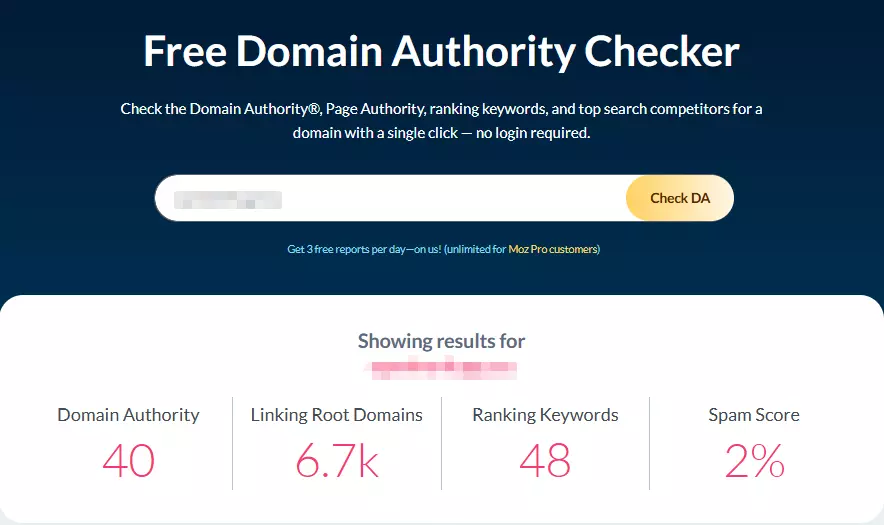
Domain authority is not a direct ranking factor from Google, but it strongly correlates with how well a site performs. The metric basically measures how many quality backlinks and referring domains point to your site.
Guest posting gives you one of the most reliable ways to add referring domains on a consistent basis. Every blog that links to you counts as a referring domain.
And search engines like to see a growing number of domains pointing to your site, not just a large number of links from the same few domains. Publishing guest posts on different blogs steadily expands that referring domain count.
Higher domain authority brings a few helpful side effects. Your existing pages tend to rank better across the board. New content you publish on your own site often gets indexed faster.
And your deeper internal pages receive more crawl budget, meaning search engines discover them more quickly.
For better results, you should publish two to four quality guest posts per month. Keep that up for about six months, and you will likely see a meaningful shift in your site’s authority metrics.
How to Find and Use “Write for Us” Opportunities
Finding good guest posting opportunities is not complicated. A few simple Google searches can uncover plenty of options.
Try combinations like “write for us” plus your industry term, like “write for us health“; “guest post” plus a relevant topic; or intitle:”write for us” followed by your niche.
Tools like Ahrefs Content Explorer or BuzzSumo can also help you discover blogs that accept contributions.
When evaluating a potential site, check its domain authority, whether it gets regular organic traffic, and if it clearly allows dofollow links.
A site with decent traffic and moderate authority usually brings more value than a high-authority site that feels spammy or irrelevant to your audience.
For topic selection, aim for long-tail keywords with moderate or low competition. Instead of writing another general “SEO guide,” consider something more specific like “SEO checklist for small online stores.” These targeted topics often rank faster and attract readers who are genuinely interested in what you have to say.
When embedding your links, make sure they fit naturally into the content. If a link feels forced or out of place, the editor may remove it or mark it as nofollow.
Link to deep content pages on your site occasionally, not just your homepage. And vary your anchor text across different guest posts to keep the profile looking natural.
Read: Understanding SEO in 2026: A Strategic Guide for
Common Mistakes to Avoid
A few missteps can turn a good guest posting strategy into a wasted effort. Submitting too many links in a single article is a quick way to get rejected.
Most editors will only accept one to three links per post. Pointing every guest post link to your homepage also misses the chance to boost your internal pages.
Publishing on low-quality or completely unrelated blogs can hurt more than it helps. Search engines are good at spotting unnatural link patterns. Ignoring a site’s nofollow policy leads to mismatched expectations.
If a blog clearly states that all guest links are nofollow, respect that or look elsewhere. Submitting low-quality or duplicate content is another risk. Thin content does not rank well and could even trigger a penalty if it looks like you are just building links.
Using the same anchor text repeatedly across multiple guest posts is another red flag. A diverse anchor profile looks organic. A repetitive one looks manipulated.
Final Thoughts
Guest posting is not just a tactic for driving a quick burst of traffic. When approached strategically, it becomes a sustainable way to build backlinks, rank for more keywords, and grow your domain authority. The key is consistency and quality.
A few well-placed guest posts each month, published on relevant blogs with real readers, will do more for your SEO than dozens of low-effort submissions. Now try submitting articles to “Write for Us“!