The Hidden Cost of Unmanaged Mobile Devices
Mobile devices have become the backbone of modern business operations. From smartphones and tablets to rugged handhelds and kiosks, organizations now rely heavily on connected devices to support communication, productivity, logistics, customer service, and remote work.
But while companies continue investing in digital mobility, many still underestimate the risks and operational costs of unmanaged devices.
At first glance, unmanaged mobile devices may not seem like a major issue. Employees are working, communication flows smoothly, and devices appear functional. However, beneath the surface, these unmanaged endpoints often create security vulnerabilities, operational inefficiencies, compliance risks, and rising IT expenses that quietly impact the entire organization.
As enterprises scale in 2026, unmanaged mobile environments are becoming one of the biggest hidden liabilities in IT infrastructure.
What Are Unmanaged Mobile Devices?
Unmanaged mobile devices are smartphones, tablets, laptops, or specialized endpoints that operate outside centralized IT control.
These devices typically:
- Lack security policies
- Receive inconsistent updates
- Operate without monitoring
- Use unauthorized applications
- Access company data without compliance enforcement
Unmanaged devices can include:
- Employee-owned devices
- Remote worker phones
- Field service tablets
- Retail POS systems
- Shared warehouse scanners
- Temporary contractor devices
Without centralized oversight, IT teams lose visibility into how these devices interact with business systems and sensitive data.
The Financial Cost of Poor Device Visibility
One of the highest hidden costs of unmanaged devices is reduced operational visibility.
When IT administrators cannot monitor devices effectively, organizations often experience:
- Duplicate hardware purchases
- Lost or misplaced devices
- Increased downtime
- Delayed troubleshooting
- Poor asset tracking
For example, businesses managing multiple field teams may struggle to identify inactive devices, outdated operating systems, or connectivity issues until productivity is already affected.
This lack of visibility increases operational inefficiencies and drives unnecessary spending across departments.
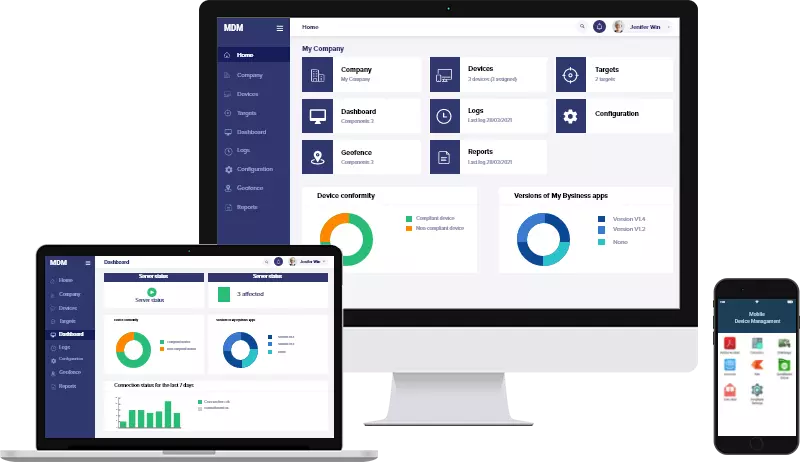
With unified device management platforms, businesses gain centralized visibility into every endpoint, helping reduce waste and improve asset utilization.
Cybersecurity Risks Continue to Grow
Security is arguably the most dangerous hidden cost associated with unmanaged mobile devices.
Every unmanaged endpoint creates a potential entry point for cyberattacks.
Common risks include:
- Malware infections
- Unauthorized access
- Data loss prevention
- Phishing attacks
- Unpatched vulnerabilities
- Weak passwords
- Shadow IT applications
In remote and hybrid work environments, these risks become even more serious because devices often operate outside secure corporate networks.
A single compromised device can expose:
- Customer data
- Financial records
- Internal communications
- Corporate credentials
- Intellectual property
This is why businesses increasingly invest in unified device management and endpoint DLP solutions to maintain centralized control and compliance.
Data Loss and Compliance Challenges
Regulatory compliance has become much stricter across industries, including healthcare, finance, education, and retail.
Organizations must now ensure that business data remains protected regardless of where employees work or which devices they use.
Unmanaged devices make this extremely difficult.
Without centralized controls, companies cannot reliably enforce:
- Device encryption
- Secure authentication
- Remote wipe capabilities
- Access restrictions
- Data retention policies
If a lost smartphone contains sensitive company information and lacks remote wipe functionality, the consequences can include:
- Legal penalties
- Compliance violations
- Financial losses
- Reputational damage
Businesses handling customer or financial information cannot afford these risks in 2026.
Increased IT Workload and Support Costs
Many organizations assume that avoiding device management tools saves money. In reality, unmanaged environments usually create more work for IT teams.
Without proper management systems, IT departments spend more time:
- Troubleshooting manually
- Updating devices individually
- Responding to security incidents
- Recovering lost data
- Managing inconsistent configurations
As device fleets grow, manual management quickly becomes unsustainable.
Modern unified device management solutions automate many of these tasks through:
- Remote troubleshooting
- Automated updates
- Bulk policy deployment
- Real-time monitoring
- Remote device management
This reduces support costs while improving response times.
Productivity Loss Across Teams
Unmanaged devices also affect employee productivity more than most businesses realise.
When devices are poorly configured or outdated, employees often experience:
- Slow performance
- Application failures
- Connectivity issues
- Security interruptions
- Inconsistent user experiences
For frontline workers, field technicians, or retail employees, even small device issues can disrupt daily operations.
For example:
- Delivery delays caused by offline scanners
- Retail downtime from malfunctioning POS tablets
- Missed customer communications from unsupported apps
These disruptions may appear minor individually, but collectively they can create significant operational losses over time.
Read: Best Mobile Phones Under 23000 in India (May 2026)
Shadow IT Creates Additional Risks
Employees frequently install unauthorized apps or services when devices are unmanaged.
This phenomenon, known as Shadow IT, creates serious visibility and security problems for organizations.
Unauthorized apps may:
- Access sensitive business data
- Introduce malware
- Bypass security protocols
- Store information on unsecured cloud platforms
Without centralized device oversight, IT teams may not even know these risks exist until a security incident occurs.
Modern device management solutions help organizations control application access, monitor usage, and maintain compliance across all endpoints.
Why Apple and Android Ecosystems Require Better Management
Many enterprises now operate mixed-device environments that include:
- iPhones
- iPads
- Android devices
- MacBooks
- Windows laptops
Managing these ecosystems manually creates complexity and inconsistency.
This has increased demand for advanced apple mdm solutions and cross-platform management platforms capable of handling multiple operating systems from a single dashboard.
Businesses now require:
- Centralized policy enforcement
- Remote app deployment
- Device enrollment automation
- Security compliance monitoring
- Remote lock and wipe capabilities
Without these capabilities, managing enterprise mobility becomes increasingly difficult as organizations scale.
The Role of Unified Device Management
Unified device management is becoming the preferred approach for enterprises seeking centralized control over diverse endpoint ecosystems.
Unlike traditional MDM tools focused only on mobile devices, unified device management platforms provide broader support for:
- Smartphones
- Tablets
- Macs
- Windows systems
- Rugged devices
- Kiosks
- POS hardware
This unified approach helps businesses:
- Reduce IT complexity
- Improve security posture
- Automate device lifecycle management
- Strengthen compliance
- Increase operational efficiency
As endpoint ecosystems continue expanding, centralized management is no longer optional for growing enterprises.
Also Explore: How to Control Employee Mobile Usage
The true cost of unmanaged mobile devices often remains invisible until organizations experience security incidents, compliance failures, or operational disruptions.
What initially appears to be a low-cost approach can quickly lead to:
- Increased IT workload
- Productivity loss
- Security breaches
- Compliance penalties
- Rising operational expenses
As enterprise mobility continues evolving, businesses need more than just device connectivity—they need centralized visibility, automation, and control.
Investing in unified device management and modern endpoint security solutions helps organizations reduce hidden costs while building a more secure and scalable digital infrastructure for the future.