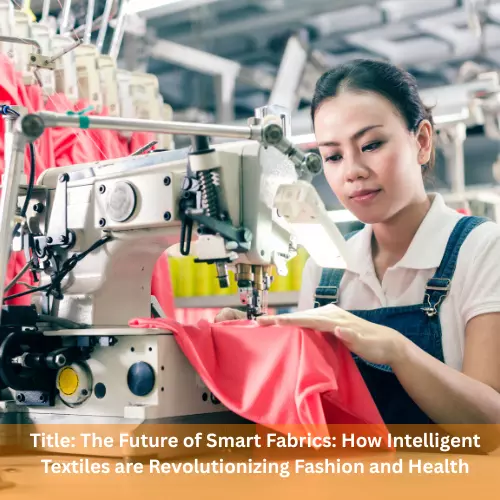
Title: The Future of Smart Fabrics: How Intelligent Textiles are Revolutionizing Fashion and Health
The intersection of fashion and technology is creating a new era of wearables—intelligent textiles. These fabrics, embedded with electronic components, sensors, and other smart technology, are transforming the way we interact with our clothes and our health. From monitoring vital signs to adjusting temperature and posture, intelligent textiles are enabling garments to do much more than just cover our bodies—they’re becoming responsive tools for personal well-being.
In this article, we explore how intelligent textiles are reshaping the future of fashion, health, textile industry jobs and wellness, the technologies behind them, their current applications, and the challenges that come with widespread adoption.
What Are Intelligent Textiles?
Intelligent textiles, also known as smart fabrics or e-textiles, are materials embedded with electronic components that allow them to respond to environmental stimuli or interact with the human body. Unlike traditional wearables like smartwatches or fitness trackers, intelligent textiles integrate technology directly into the fabric, creating garments that are not only functional but also comfortable and seamless.
These smart textiles fall into two main categories:
- Passive Smart Textiles: These fabrics sense and collect data from the environment, such as temperature, humidity, or pressure.
- Active Smart Textiles: These fabrics not only sense stimuli but also react to them—changing properties, sending or receiving data, or adjusting to the wearer’s needs.
Technologies Driving Intelligent Textiles
The rise of intelligent textiles is made possible by a combination of advances in material science, electronics, and data processing. Some of the key technologies involved include:
- Conductive Fibers: These specialized threads, which are infused with metals, carbon, or polymers, carry electrical signals without sacrificing flexibility.
- Flexible Sensors: These stretchable components detect biometric signals, such as heart rate or body temperature, without adding bulk to the garment.
- Microcontrollers and Chips: Embedded microprocessors collect, store, and transmit data, allowing garments to communicate with external devices or cloud platforms.
- Energy Harvesting Materials: Fabrics that can generate power from sources like body heat, solar energy, or kinetic movement reduce the reliance on traditional batteries.
- Wireless Connectivity: Integration of technologies like Bluetooth or 5G enables real-time communication with smartphones, health devices, and other connected ecosystems.
Applications in Health, Fitness, and Everyday Life
Intelligent textiles are making waves in several industries, from healthcare to fitness and everyday apparel. Here are some of the key areas where smart fabrics are having a major impact:
1. Medical Monitoring and Chronic Care
Intelligent textiles are revolutionizing healthcare by allowing continuous, real-time monitoring of a patient’s health. For example:
- Smart Compression Garments: Clothes embedded with pressure sensors help patients manage circulation issues or monitor the early stages of conditions like lymphedema.
- ECG Monitored Apparel: Garments embedded with electrocardiogram sensors can track heart health, alerting both the wearer and medical professionals to any irregularities.
- Smart Pajamas: These sleepwear items monitor children or elderly patients’ body temperature and breathing patterns to detect early signs of health complications.
2. Athletic Performance and Recovery
Smart clothing is enhancing athletic performance by providing real-time biofeedback:
- Smart Workout Gear: Garments like shirts and leggings are equipped with sensors that track muscle activation, helping athletes optimize their form and prevent injury.
- Thermoregulation Clothing: Textiles that adjust body temperature based on external factors ensure comfort and improve athletic performance during intense physical activity.
- Recovery Garments: Clothing embedded with gentle electrical stimulation or compression helps athletes recover faster post-training by improving circulation and reducing muscle soreness.
3. Mental Wellness and Stress Management
Smart textiles are also being used to monitor emotional states and support mental well-being:
- Stress-Detecting Fabrics: Fabrics that measure skin conductivity or heart rate variability can provide insights into the wearer’s emotional condition.
- Haptic Feedback Clothing: These garments deliver soothing vibrations or vibrations that guide users through deep breathing exercises, helping to manage stress and anxiety.
4. Everyday Lifestyle and Workwear
Intelligent textiles are increasingly finding their way into everyday clothing and workwear:
- Climate-Adaptive Clothing: Clothes that adjust their insulation or ventilation based on the ambient temperature are perfect for those living in variable climates.
- Posture-Correcting Wear: Office wear embedded with sensors that monitor and adjust the wearer’s posture can improve spinal health during long hours at a desk.
Industry Innovations and Leaders
The potential of intelligent textiles has not gone unnoticed. Several companies and research institutions are pushing the boundaries of this technology:
- Myant: Pioneers in textile computing, Myant has created garments for health, fitness, and even in-car safety.
- Levi's x Google Jacquard: The collaboration produced a jacket with woven-in sensors, enabling wearers to control music, receive notifications, and more with a simple swipe of their sleeve.
- Hexoskin: Known for their biometric shirts, Hexoskin tracks vital signs like heart rate and respiration, primarily used by astronauts, elite athletes, and medical patients.
Challenges and Obstacles to Widespread Adoption
While the potential of intelligent textiles is exciting, several challenges remain for their broader adoption:
- Durability and Washability: Ensuring that embedded electronics can withstand frequent washing and everyday wear is a significant hurdle.
- Data Privacy and Security: The collection of biometric and health data raises concerns around privacy, data storage, and security. Regulatory standards for wearable textiles, especially those with medical applications, are still in development.
- Cost and Scalability: The manufacturing processes for intelligent textiles are currently expensive, and scaling up production to make them more affordable remains a challenge.
- Consumer Acceptance: Many consumers are still unfamiliar with the concept of smart fabrics and may be hesitant to adopt them. To gain wider appeal, the benefits need to be clear, and the designs must be as fashionable as they are functional.
The Future of Intelligent Textiles
As intelligent textiles continue to evolve, the possibilities are limitless. We can expect:
- Personalized Wellness: Clothes will act as personal wellness coaches, providing real-time insights to improve sleep, hydration, and activity levels.
- Sustainability: Future smart fabrics will focus on eco-friendly and biodegradable materials, with energy-harvesting fabrics and recyclable electronics becoming the norm.
- Interoperability: Smart textiles will become part of broader digital ecosystems, seamlessly connecting with smartphones, fitness trackers, and health platforms.
Conclusion
The convergence of fashion and technology is creating a future where clothing doesn’t just serve as a protective layer but as a dynamic partner in personal health and wellness. With advancements in intelligent textiles, our clothes may soon be equipped to monitor, support, and enhance our physical and mental well-being.
As the technology improves, we are likely to see a revolution in the way we think about wearables—transforming them from gadgets into essential elements of daily life. The future of fashion is smart, sustainable, and incredibly personalized.