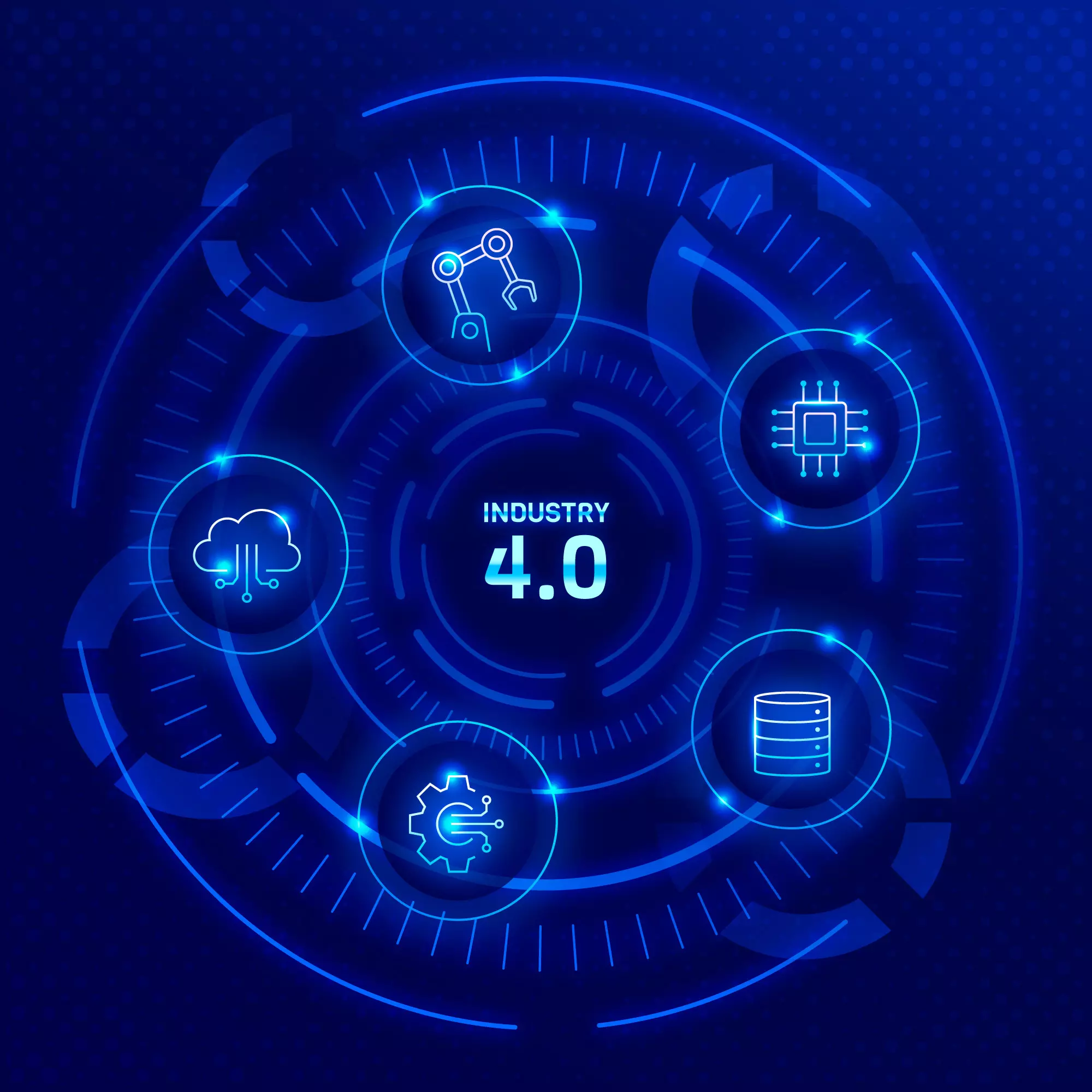
The Future of Manufacturing Is Not Automated — It's Digitally Engineered
Welcome to the era where factories think, machines adapt, and design meets execution in real time.
The manufacturing world is undergoing a transformation that’s deeper than automation and smarter than traditional digitalization. It’s the rise of digitally engineered workflows — a shift from reactive processes to intelligent, connected, and predictive systems that shape the way products are built.
In simple terms? Manufacturing is going from muscle to mind.
🌐 What Are Digitally Engineered Workflows?
They’re not just about adding tech to existing systems. They’re about rearchitecting the entire manufacturing lifecycle — from concept to delivery — with data, intelligence, and agility at the core.
Imagine this:
- A product is designed digitally.
- It's tested and validated in a virtual twin.
- Production is simulated, optimized, and executed — all digitally.
- Real-time feedback from machines, sensors, and the supply chain flows back into the system for continuous improvement.
That’s a digitally engineered workflow. It’s live, dynamic, and constantly learning.
⚠️ The Problem with Traditional Manufacturing
Here’s what most factories are still dealing with:
- Siloed departments that don’t talk to each other.
- Manual processes that are slow, error-prone, and reactive.
- Data trapped in spreadsheets or legacy systems.
- Long lead times, high waste, and rising costs.
In a world demanding speed, personalization, and sustainability, this model is broken.
🔑 Why Digitally Engineered Workflows Are the New Standard
🚀 1. Speed Is a Superpower
Digitally engineered workflows enable instant prototyping, testing, and iteration. Changes happen in the cloud, not on the factory floor. Result? Weeks shaved off development time.
🔁 2. Flexibility = Resilience
With connected systems, you can reroute production, adjust supply plans, and reoptimize operations on the fly. That’s how you stay agile during disruptions — from global shortages to sudden demand spikes.
🎯 3. Customization Without Complexity
You can tailor products at scale without increasing cost or risk. Digital workflows make mass personalization not just possible — but profitable.
📉 4. Waste Less. Win More.
With virtual simulations and real-time monitoring, you detect defects before they happen. You optimize resources automatically. The result? Higher efficiency, lower waste, and real ESG impact.
👥 5. Empower the Workforce of Tomorrow
Your teams work smarter with AI copilots, augmented reality guidance, and real-time dashboards. Training is faster. Output is smarter. Safety is higher.
🛠️ What Powers Digitally Engineered Manufacturing?
TechnologyWhat It EnablesDigital TwinsSimulate, test, and perfect production before it beginsAI & MLPredict defects, forecast demand, optimize operationsCloud PlatformsEnable collaboration, scalability, and speedIoT & Edge DevicesCapture and act on real-time shop floor dataSimulation ToolsValidate designs and workflows virtually
📈 Real-World Impact
- Tesla builds vehicles using highly integrated, digitally connected platforms that enable continuous improvement.
- Unilever uses real-time analytics and digital twins to reduce energy consumption and improve yield across its global factories.
- Airbus digitally engineers complex assemblies with AI and simulations, cutting production time and improving reliability.
These aren’t side projects — they’re competitive advantages.
🧭 The Big Picture: It’s Time to Rethink Manufacturing
Digitally engineered workflows aren’t just a tech upgrade — they’re a business revolution.
They help you:
✅ Launch faster
✅ Reduce costs
✅ Respond to change
✅ Exceed customer expectations
✅ Lead in sustainability and innovation
This is what future-ready manufacturing looks like.
💡 Final Take: Build Smarter, Not Just Faster
The leaders of tomorrow won’t just have the biggest factories. They’ll have the smartest workflows.
So ask yourself:
Is your manufacturing still based on assumptions — or on real-time intelligence?
The future isn’t automated. It’s engineered. Digitally.