The Financial Strategy Behind Upgrading Commercial and Personal Vehicles
For proactive property managers, growing families, and local business owners, maintaining transport efficiency requires careful management of physical space.
While a reliable sedan, commercial van, or work utility vehicle serves its purpose for years, it eventually reaches a point where keeping it no longer makes financial sense.
Unexpected transmission drops, major cooling system failures, or costly structural body rust can quickly turn a once-valued vehicle into an idle driveway liability.
When a property owner takes a passive approach to auto liquidation, they tie up potential funds in a declining asset that continues to drop in value while cluttering their real estate.
1. The Logistical Obstacles of Traditional Used Car Marketplaces
Relying on traditional trade-ins or listing an older vehicle on public online classifieds often brings a predictable set of hassles that slow down the entire process:
- Expensive Pre-Sale Repairs: Spending money on new tires, brake overhauls, or cosmetic fixes rarely increases an older car's final market value enough to balance out the bill.
- Unreliable Private Market Buyers: Listing an unroadworthy or aging car online frequently attracts low-ball offers, endless negotiation strings, and missed appointments from casual browsers.
- Wasted Domestic Space: Every month a broken-down or unregistered vehicle sits in your garage or on your front lawn is time it blocks active vehicles and lowers your home’s street appeal.
2. Moving to Certified Automotive Disposal Networks
Upgrading how you handle a retired vehicle completely simplifies the removal process. By avoiding slow private market channels and connecting directly with established buying networks, clearing your driveway changes from a stressful chore into a clean, single-day solution.
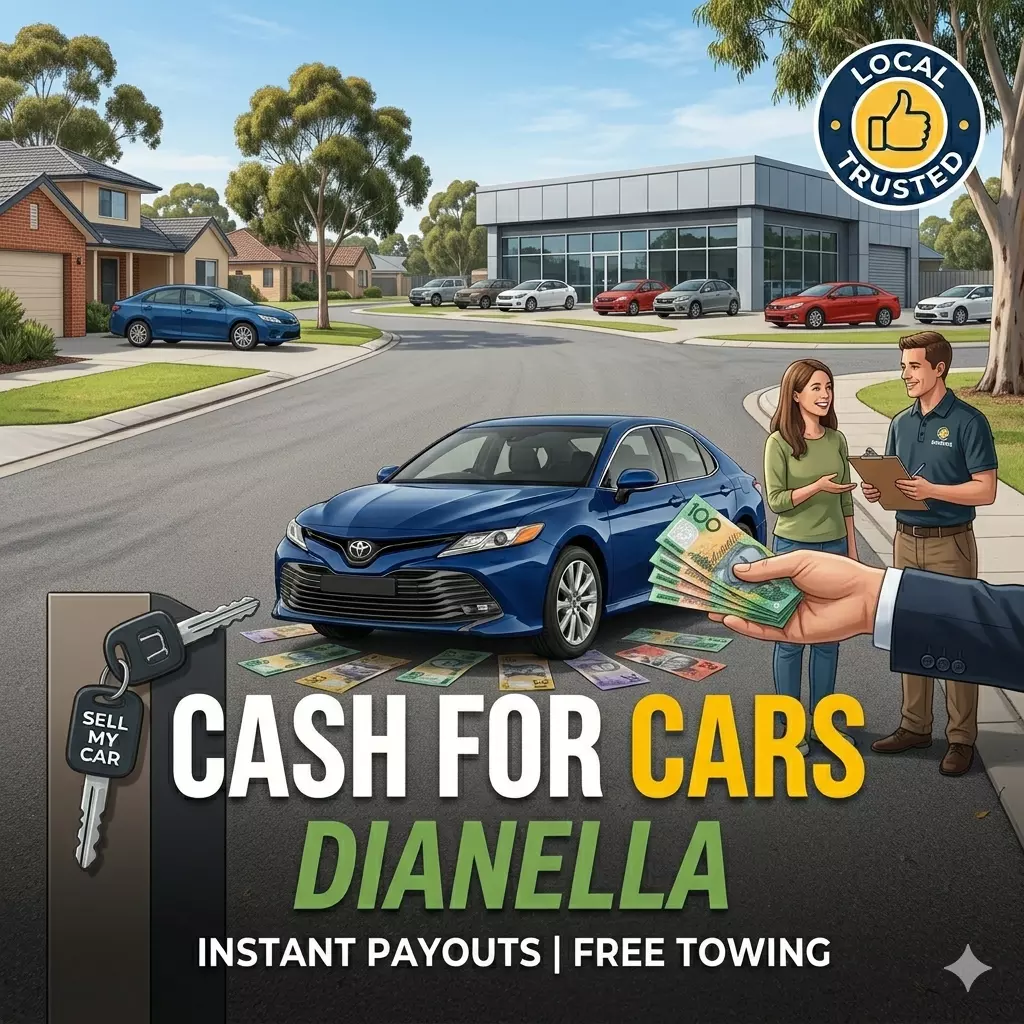
Organizing a direct sale with a local Cash For Cars Dianella specialist brings top-tier efficiency straight to your front door. Dedicated vehicle removal teams assume full responsibility for the entire extraction lifecycle from providing data-driven valuations based on live scrap weight and component demands to managing all official transport paperwork and sending professional recovery flatbeds to your property.
This rapid turnaround frees up your yard space while instantly turning static metal back into active cash.
Read: Scrap Car Removal: The Ultimate Solution for Your Old
3. The Three Columns of Strategic Auto Asset Retirement
To guarantee a clean, hassle-free transaction, vehicle owners should look for buyers who emphasize three primary operational protections.
Operational Block
On-Site Execution
Long-Term Practical Value
Instant Market Appraisals
Generating exact value assessments using live metal pricing indexes and component salvage data.
Guarantees an accurate, transparent offer based on your car's true remaining value, removing the guesswork.
Complimentary Yard Removal
Dispatching specialized recovery transport to collect vehicles directly from your property at zero cost.
Eliminates out-of-pocket transportation and towing expenses completely, ensuring your net return stays high.
Official Title Discharges
Immediate logging of the asset's final disposal with local state transport registries and databases.
Permanently insulates the seller from future parking infringements, toll liabilities, or unexpected registration fees.
4. The Final Vehicle Handover Checklist
Before the professional recovery transport arrives at your location to safely collect the vehicle, ensure you follow this straightforward preparation checklist:
- Extract Personal Technology: Clear out old dash cams, charging cables, electronic tags, sunglasses, and GPS history profiles from the vehicle's storage spaces.
- Collect Proof of Ownership: Prepare your personal photo identification and active or expired registration papers to guarantee a completely transparent and legal transfer.
- Remove the License Plates: Safely unscrew the physical number plates from the front and back of the car to return them to your local licensing office for final registration cancellation.
By converting your vehicle disposal into a structured, forward-thinking transaction, you protect yourself from unnecessary administrative strain. This foundational clarity allows you to dedicate your full focus to freeing up valuable driveway space and liquidating your old automotive assets with absolute confidence.