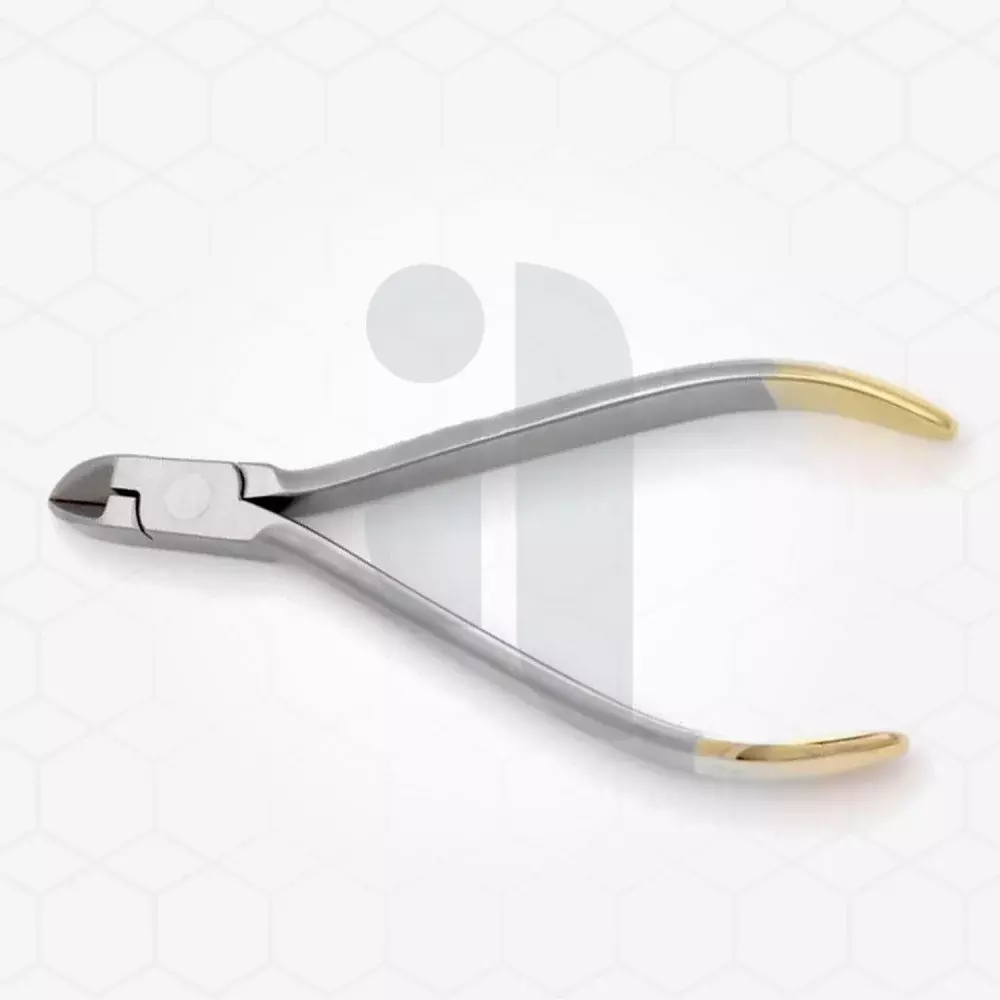
The Essential Guide to Choosing the Right Ligature Device for Modern Surgical Procedures
In the rapidly evolving landscape of modern medicine, precision and efficiency in the operating room are more critical than ever. Surgeons rely heavily on specialized instrumentation to ensure patient safety and optimize procedural outcomes.
Among these indispensable tools, the ligature device stands out as a fundamental component in managing hemostasis and tissue division.
Azeemed Instruments is dedicated to providing high-quality surgical tools that meet the needs of professionals. By focusing on superior craftsmanship and innovative design, medical practitioners can perform complex interventions with unparalleled confidence and control.
Selecting the appropriate instruments directly influences the speed of a procedure and the subsequent recovery time of the patient, making the choice of manufacturing partner a vital decision for healthcare facilities worldwide.

Understanding the Evolution and Function of the Modern Ligature Device
Achieving secure vessel occlusion has historically been one of the most time-consuming aspects of surgery. Traditional suturing methods, while effective, often introduce variables such as user fatigue and knot slippage.
The introduction of the mechanical and energy-based ligature device revolutionized this aspect of operative care. These specialized instruments allow for rapid, reliable sealing of blood vessels and tissue bundles without the need for manual tying.
Over the decades, these tools have transitioned from simple mechanical clips to sophisticated biometric feedback systems that measure tissue impedance in real time. This technological evolution ensures that every occlusion is uniform, drastically reducing the risk of post-operative bleeding and enhancing overall patient safety.
Integrating a Beaver Blade Scalpel with Advanced Sealing Technologies
In many complex surgical scenarios, cutting precision must seamlessly pair with effective vessel sealing. While a primary ligature device handles the restriction of blood flow across larger tissue planes, a beaver blade scalpel provides the ultra-fine, specialized incision capabilities required for delicate structures.
Combining the thermal or mechanical sealing power of advanced lamination tools with the hyper-focused sharpness of a beaver blade scalpel allows surgeons to transition smoothly between dissection and hemostasis.
This integrated approach is particularly beneficial in microsurgery, ophthalmic procedures, and intricate plastic surgeries where even a millimeter of deviation can impact the aesthetic or functional result.
Utilizing these tools in tandem ensures that tissue trauma is kept to an absolute minimum while maintaining a perfectly clear operative field.
Read: Top 10 Best Corporate Healthcare Service Providers in India
Key Benefits of Utilizing a Premium Ligature Device in Minimal Invasive Surgery
The shift toward minimally invasive surgery has placed unique demands on instrument design. A high-caliber ligature device designed for laparoscopic or robotic systems must offer ergonomic comfort, intuitive controls, and highly reliable performance through narrow access ports.
When healthcare providers invest in premium instruments, they notice a quantifiable reduction in thermal spread, which protects adjacent healthy tissue from accidental damage. Furthermore, the tactile feedback provided by top-tier instruments allows the surgeon to feel the exact moment a secure seal is achieved.
This predictability streamlines the operating room workflow, minimizes the time a patient spends under anesthesia, and ultimately lowers the total cost of care by reducing the necessity for secondary hemostatic agents.
Material Excellence and Structural Integrity in Hemostatic Instruments
The manufacturing process of surgical instruments dictates their longevity and reliability during critical moments. Producing a dependable ligature device requires a deep understanding of metallurgy and biomedical engineering.
Instruments must withstand repeated sterilization cycles without losing their structural alignment or conductive properties. High-grade stainless steel and specialized titanium alloys are utilized to ensure that the jaws of the device maintain perfect parallelism over extended use.
When structural integrity is compromised, the distribution of pressure or energy becomes uneven, leading to incomplete vessel occlusion.
By maintaining strict quality control standards, manufacturers ensure that each instrument delivers consistent pressure and energy distribution every single time it is deployed.
Maximizing Operating Room Efficiency with Superior Surgical Solutions
The ultimate goal of any surgical innovation is to improve the standard of patient care while optimizing institutional efficiency.
Incorporating a state-of-the-art ligature device into standard surgical trays reduces the clutter of disposable components and simplifies the steps required to achieve reliable hemostasis.
Surgical teams can operate with greater fluidity, knowing that their primary sealing tool is engineered to handle a diverse range of vessel diameters and tissue thicknesses.
As healthcare systems continue to face pressure to increase throughput without compromising safety, relying on trusted, expertly crafted surgical instruments becomes a cornerstone of operational success. Investing in premium tools translates directly into fewer complications, shorter hospital stays, and elevated patient satisfaction scores.