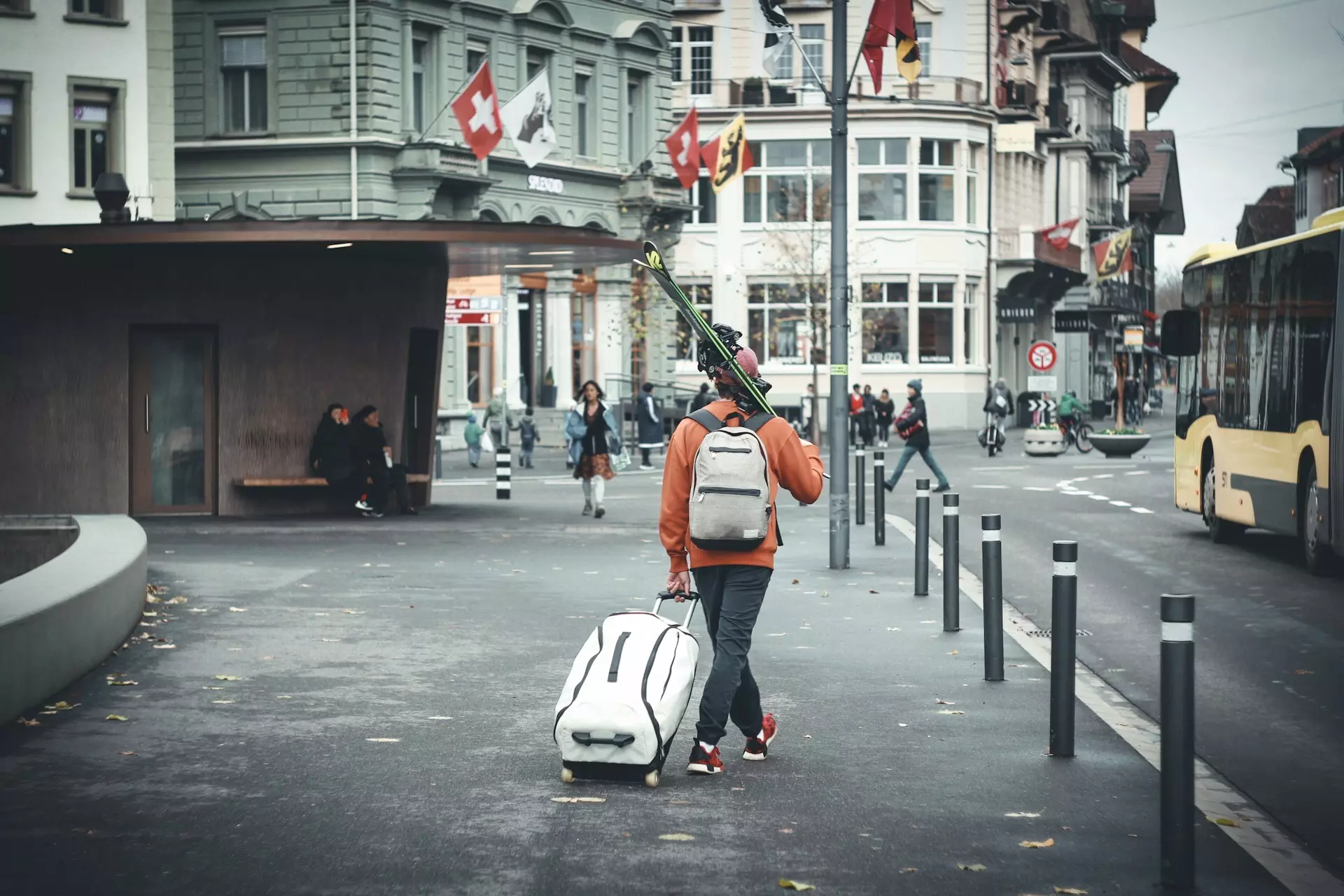
The Emotional Side of Relocating to Europe: What Visa Guides Don’t Tell You
When people plan to relocate to Europe, their minds often revolve around documents, visas, residence permits, insurance, and proof of funds.
They read countless guides about embassy requirements and legal pathways, but few prepare them for the emotional side of relocating to Europe, the invisible journey that begins once the plane lands.
Relocating is not just about changing addresses. It is about leaving behind familiarity, re-learning how to belong, and discovering parts of yourself you never knew existed. This emotional layer, the one that does not fit neatly into a visa checklist, often determines how smoothly the transition unfolds.
This article explores the emotional side of relocating to Europe, what happens after the paperwork ends: the goodbyes, the culture shocks, the identity shifts, the lonely moments, and the quiet strength it takes to rebuild a sense of home.
The Goodbye Phase
Before the excitement of Europe comes the heartbreak of leaving. The goodbye phase begins long before departure day. It starts when you sell your furniture, cancel local subscriptions, or attend farewell dinners that feel both celebratory and heavy.
You begin to realize that “home” is not a single place. It is people, routines, even the street sounds you have grown used to. Many migrants describe this phase as bittersweet, a blend of hope and grief. The process of leaving is an emotional tug of war between anticipation for the new and nostalgia for the old.
Many are facing similar crossroads across Europe today, as thousands quietly leave the UK in search of new opportunities, highlighting how migration is both a practical and emotional decision.
Goodbyes also reveal how complex relationships can be. Friends who once promised to stay in touch may gradually fade, not out of malice but because distance reshapes connections. Family members may express pride mixed with sadness or worry.
Some migrants even experience departure guilt, the feeling that by leaving, they are abandoning loved ones or responsibilities back home.
This phase does not end at the airport. It lingers for months. But this grief, many eventually learn, is the first sign of growth, a quiet acceptance that change, though painful, is necessary for transformation.
Culture Shock and Adaptation
No matter how open-minded or well travelled you are, culture shock will find its way into your European journey. It might be the silence on public transport in Germany, the slow pace of bureaucracy in Italy, or the reserved nature of people in Finland. You realize that things you once considered universal, like friendliness, punctuality, or humour, have entirely different meanings elsewhere.
Culture shock often unfolds in stages. At first, everything feels fascinating. You marvel at cobblestone streets, historic buildings, and efficient public transport. Then frustration sets in. You miss the comfort of speaking your native language without thinking. You struggle with accents, social cues, or even grocery shopping when labels are unfamiliar.
This stage can be emotionally exhausting. You might question whether you made the right decision. You might even start romanticising life back home, forgetting the reasons you left in the first place.
But adaptation happens quietly. One day, you find yourself joking in another language. You stop converting prices to your old currency. You adopt local habits, maybe coffee at 3:00 p.m. in Italy or Sunday markets in France. This is the moment of integration when a foreign land begins to feel less foreign.
It is crucial to understand that adaptation is not about erasing your roots. It is about expanding them. The more you learn to coexist with new ways of living, the richer your perspective becomes.
Identity Shifts and Rediscovery
Living abroad forces you to question who you are without the cultural context that once defined you. Back home, your identity was effortlessly understood. Abroad, it often needs explanation and sometimes translation.
Migrants frequently experience what psychologists call identity reconstruction. You begin to view yourself through multiple lenses: your home culture, your host culture, and the evolving hybrid that forms between them.
For some this is empowering, a chance to reinvent. For others it is confusing. You might feel “too foreign” for locals but “too changed” for those back home. Small moments such as being complimented for your accent or misjudged based on nationality can spark reflection about belonging and self worth.
Yet this process of rediscovery is one of relocation’s most transformative gifts. You start noticing strengths you did not know you had: resilience, adaptability, independence. You learn to appreciate your cultural uniqueness and to embrace new parts of yourself.
Many expats eventually realize that identity is not fixed. It is fluid. Living abroad does not erase who you were. It adds new layers to who you are becoming.
Read: Finding the Best Lawyers in India
Real-Life Examples of Loneliness Abroad
Here are a few real stories from people who have voiced these kinds of struggles.
1. “A Different Kind of Loneliness” in Brussels
Reid Whitten moved for an international law job to Brussels, believing it would be everything he had worked toward. Yet after three years he described a different kind of loneliness. He had moved with his partner, who later left for graduate school.
The combination of a transient city full of people passing through, and losing his partner, meant Reid often felt alone even though he was surrounded by people. (Story via The Loneliness of Expat Life)
2. From Chile to Vienna: Gabriela Encina’s Quiet Struggle
Gabriela Encina relocated to Vienna. She found herself with no job, few meaningful friendships, and strained relationships. She describes hitting her lowest point, where she felt deeply isolated and disconnected.
She eventually began writing in a journal and speaking with friends back home, which helped her slowly come back to a better place. (Story via Loneliness as an Expat: Finding Authentic Connections Abroad)
3. Expat Wife in France Losing a Sense of Self
A young artist moved with her husband to Strasbourg. For the first six months she enjoyed the freedom that came with the move. But then she started feeling purposeless, lonely, and lost her sense of identity. She questioned what her role was in this new place and whether her life had meaning there.
These stories show that loneliness is not just about being alone physically. It is about loss of connection, the ache when people who once shared your every day are no longer there, and the slow process of rebuilding support networks piece by piece. (Story via Leisure, Loneliness and Loss of Identity as an Expat Wife)
Finding Community Abroad
No visa guide ever truly explains how vital community is for survival in a new country. The emotional toll of isolation can be immense, especially in the first year. The excitement of independence soon gives way to quiet loneliness, evenings where you crave familiar conversation or laughter that does not require translation.
Building a community abroad takes effort. Locals may be friendly but reserved. Fellow migrants may be transient. Friendships require patience, openness, and vulnerability.
You start joining cultural groups, attending international meetups, or connecting with other expats through social platforms.
Staying emotionally connected with family and friends back home also becomes essential in maintaining a sense of balance and belonging while you build a new life abroad. Over time, you find your tribe, people who understand the highs and lows of starting over.
These communities become lifelines. They celebrate your small wins, help you navigate bureaucracy, share survival tips (like where to find your home country’s food), and offer emotional grounding, a sense of shared experience that reminds you you are not alone.
Interestingly, the most meaningful connections often come from unexpected places: a kind neighbour, a co-worker, or someone you meet by chance. Shared struggles bridge cultural gaps faster than shared origins.
Finding community abroad also teaches empathy. Once you have been the outsider, you begin to recognize and support others who feel the same.
Building these friendships becomes a healing part of the emotional side of relocating to Europe, reminding you that connection is what truly makes a new country feel like home.
Final Thoughts
Relocating to Europe is more than a logistical move. It is an emotional evolution. The journey reshapes not just where you live but how you see yourself and others. It teaches patience, humility, and the universal importance of human connection.
You learn that “home” can exist in more than one place and sometimes it is not a place at all but a feeling you carry within yourself.
While visa guides can help you cross borders, only experience teaches you how to cross emotional thresholds. The process of letting go, adapting, and rebuilding demands courage but rewards you with deeper empathy for the world and for yourself.
In the end, the emotional side of relocating to Europe is not a drawback. It is the very heart of transformation. It turns migration from a paperwork process into a powerful human story.