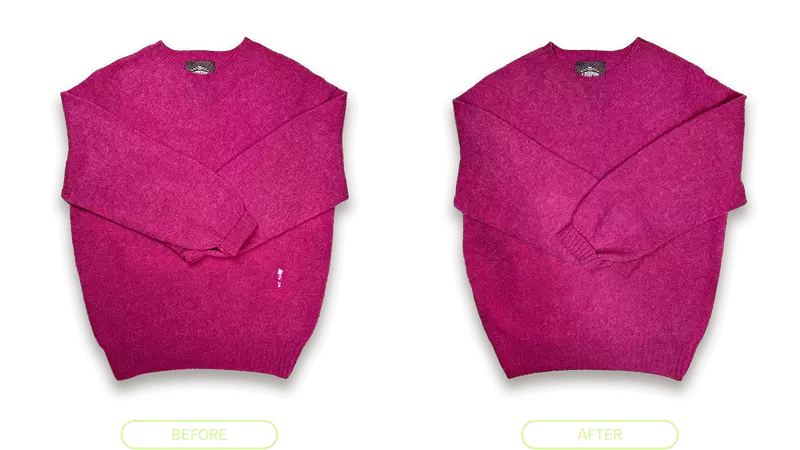
The Complete Guide to Sweater Repair: Fix and Restore Your Favorite Knitwear
Sweaters are an essential part of any wardrobe, providing warmth, comfort, and style. However, over time, they can suffer from wear and tear, including holes, stretched-out cuffs, pilling, and unraveling stitches. Instead of discarding your favorite sweater, you can repair and restore it with the right techniques.
In this guide, we will cover various sweater repair methods, from fixing small holes to reshaping stretched-out knits, helping you extend the life of your cherished garments.
Common Sweater Problems and How to Fix Them
Sweaters, especially those made from delicate fibers like wool, cashmere, or alpaca, require special care. Here are the most common issues you might encounter and how to repair them:
1. Repairing Holes in a Sweater
Holes in sweaters can result from moth damage, snags, or general wear and tear. Fortunately, there are several methods to repair them depending on the size and type of knit.
A. Darning Method (Best for small to medium holes)
Darning is a technique where new yarn is woven into the damaged area to reinforce the fabric.
Steps:
- Place a darning mushroom or embroidery hoop under the hole to stabilize the fabric.
- Thread a needle with matching yarn.
- Stitch horizontal rows across the hole, extending slightly beyond the damaged area.
- Weave vertical stitches through the horizontal rows to create a new fabric-like patch.
- Secure the edges and trim any excess yarn.
B. Duplicate Stitch (Swiss Darning) (Best for small holes in fine knits)
The duplicate stitch method is used to mimic the original knit structure for a seamless look.
Steps:
- Identify the damaged area and thread a needle with a matching yarn.
- Follow the knit pattern, looping the thread over each existing stitch.
- Continue until the hole is completely covered.
- Secure the thread and gently steam the repaired area to blend it in.
C. Needle Felting (For Wool Sweaters)
Needle felting is ideal for wool sweaters and involves bonding fibers together using a felting needle.
Steps:
- Place a felting pad under the hole.
- Add a small amount of wool roving over the hole.
- Use a felting needle to repeatedly poke the fibers until they bond with the sweater.
- Continue until the hole is filled, and steam lightly to set the fibers.
2. Fixing Stretched Out Cuffs and Necklines
Sweater cuffs and necklines can stretch over time, making the garment look misshapen. To restore them:
A. Using Steam and Blocking
- Wet the stretched area with lukewarm water.
- Lay the sweater flat on a blocking mat and reshape it to the original size.
- Pin the edges in place and let it dry naturally.
- Use a steam iron on a low setting to help the fibers regain their shape.
B. Adding Elastic Thread (For cuffs and ribbed areas)
- Turn the sweater inside out.
- Sew elastic thread into the stretched-out ribbing using a needle.
- Secure the ends and gently pull to restore the original shape.
3. Repairing Unraveling Seams and Stitches
Loose or unraveling seams can lead to bigger issues if left unaddressed.
Hand-Sewing Method:
- Use a tapestry needle and matching yarn to reinforce the loose stitches.
- Secure the edges with small, even stitches.
- Knot the thread at the end to prevent further unraveling.
Crochet Hook Method (For Dropped Stitches):
- Identify the dropped stitch and use a crochet hook to pull it through the loops above it.
- Continue until you reach the top of the sweater.
- Secure the stitch with a small knot or by weaving it into nearby stitches.
4. Removing Pilling from a Sweater
Pilling occurs when loose fibers ball up due to friction, making the sweater look worn out.
Methods to Remove Pilling:
- Fabric Shaver: Use a battery-operated fabric shaver to remove pills safely.
- Sweater Comb: Gently brush over the surface to lift pills.
- Tape or Lint Roller: Press adhesive tape onto the fabric and peel off the pills.
- Hand-Picking: For delicate fabrics like cashmere, manually remove pills instead of shaving.
5. Fixing Snags and Pulls in a Sweater
Snags can create loose loops that alter the appearance of the sweater. To fix them:
- Use a fine crochet hook or needle to pull the loose thread back into the sweater’s inside.
- If the snag is long, gently stretch the fabric around it to redistribute tension.
- Secure the loop with a tiny knot inside the sweater.
- Lightly steam the area to blend the fibers.
6. Patching Larger Holes in a Sweater
For larger holes, patching is a more practical solution.
A. Using a Knitted Patch
- Cut a matching fabric patch slightly larger than the hole.
- Sew the patch into place using an invisible stitch.
- Blend the edges by gently steaming the area.
B. Decorative Embroidery Patch
If you want a creative approach, use embroidery techniques to cover the hole while adding a unique design.
Preventing Sweater Damage
Taking good care of your sweaters can prevent many of the issues mentioned above. Here are some tips:
1. Proper Washing and Drying
- Always check the label and wash sweaters in cold water with a mild detergent.
- Avoid wringing out sweaters; instead, gently press out excess water.
- Lay flat to dry on a clean towel to maintain shape.
2. Safe Storage Practices
- Fold sweaters instead of hanging them to prevent stretching.
- Store wool sweaters in airtight bins or garment bags to prevent moth damage.
- Use cedar blocks or lavender sachets as natural moth repellents.
3. Regular Maintenance
- Depill sweaters regularly to maintain a smooth appearance.
- Check for loose stitches and repair them early to prevent further damage.
- Air out sweaters after wearing to remove odors and prevent fiber weakening.
When to Seek Professional Help
While many sweater repairs can be done at home, some situations may require professional help:
- Luxury or Designer Sweaters: High-end fabrics like cashmere may need expert mending.
- Large or Complex Repairs: If the damage is extensive, a tailor or knit repair specialist can provide an invisible fix.
- Custom Alterations: If your sweater has stretched beyond repair, a professional can resize it.
Final Thoughts
Sweater repair is a practical and sustainable way to extend the life of your favorite knitwear. Whether you’re fixing small holes, reshaping cuffs, or removing pilling, these techniques will help keep your sweaters looking new. With proper care and maintenance, your knitwear can remain a staple in your wardrobe for years to come.