The Complete Guide to Modern Root Canal Procedures
Root canal treatment has come a long way over the years. Thanks to advances in dental technology, improved techniques, and effective anesthesia, modern root canal procedures are safer, faster, and more comfortable than ever before.
If your dentist has recommended a root canal, there's no need to worry. This treatment is designed to remove infection, relieve pain, and save your natural tooth, helping you avoid extraction and maintain a healthy smile.
This complete guide explains everything you need to know about modern root canal procedures, including why they are needed, how they are performed, recovery tips, and the benefits of saving your natural tooth.
What Is a Root Canal?
A root canal treatment is a dental procedure used to treat infection or inflammation inside a tooth. The soft tissue inside the tooth, called the pulp, contains nerves, blood vessels, and connective tissue. When bacteria enter the pulp through deep decay, cracks, or injury, it can become infected and cause severe pain.
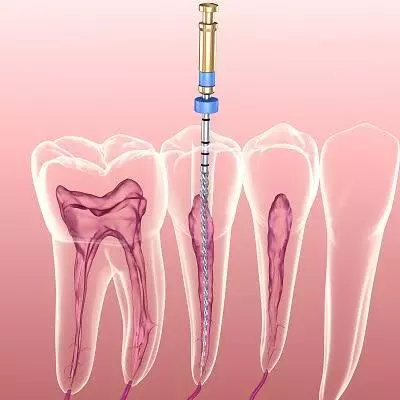
During a root canal, the infected pulp is removed, the inside of the tooth is cleaned and disinfected, and the root canals are sealed to prevent future infection. In most cases, the tooth is restored with a filling or a dental crown.
Why Is a Root Canal Needed?
A root canal is recommended when the pulp inside the tooth becomes infected or damaged beyond repair.
Common causes include:\
- Deep cavities
- Cracked or chipped teeth
- Repeated dental procedures on the same tooth
- Dental trauma
- Untreated tooth decay
- Severe tooth wear
Without treatment, the infection can spread to surrounding tissues and may eventually lead to tooth loss.
Signs You May Need a Root Canal
Not every infected tooth causes noticeable symptoms, but common warning signs include:
- Persistent toothache
- Pain when chewing or biting
- Sensitivity to hot or cold that lingers
- Swollen or tender gums
- Tooth discoloration
- A pimple-like bump on the gums
- Facial swelling
- A loose tooth
If you experience any of these symptoms, schedule a dental examination as soon as possible.
How Modern Root Canal Procedures Work
Today's root canal treatment is precise and minimally invasive.
Step 1: Examination and Digital X-Rays4
Your dentist begins by examining your tooth and taking digital X-rays. These images reveal the number and shape of the root canals and show the extent of the infection.
Digital imaging allows for more accurate diagnosis and treatment planning.
Step 2: Local Anesthesia
Modern local anesthetics ensure the tooth and surrounding tissues are completely numb before treatment begins.
Most patients feel little to no discomfort during the procedure.
Step 3: Isolation with a Dental Dam
A small rubber sheet called a dental dam is placed around the tooth.
This helps:
- Keep the tooth dry
- Prevent saliva from contaminating the area
- Create a clean working environment
Step 4: Removing the Infected Pulp
The dentist creates a small opening in the tooth to access the pulp chamber.
Using specialized instruments, the infected pulp, damaged nerves, and bacteria are carefully removed.
Step 5: Cleaning and Shaping the Canals
Tiny instruments are used to clean and shape the root canals.
Modern irrigation solutions help disinfect the canals and remove bacteria that could cause future infections.
Step 6: Filling the Root Canals
The cleaned canals are filled with a biocompatible material called gutta-percha.
This material seals the canals and prevents bacteria from re-entering the tooth.
Step 7: Restoring the Tooth
The access opening is sealed with a filling.
If necessary, a custom-made dental crown is placed to strengthen the tooth and restore its appearance and function.
Modern Technology Used in Root Canal Treatment
Advancements in dentistry have significantly improved the success and comfort of root canal procedures.
Some modern technologies include:
Digital X-Rays
Digital X-rays provide detailed images while exposing patients to less radiation than traditional film X-rays.
Rotary Endodontic Instruments
These flexible instruments clean root canals more efficiently and accurately than traditional hand files.
Electronic Apex Locators
These devices help dentists accurately determine the length of the root canals, improving treatment precision.
Advanced Irrigation Systems
Special cleaning solutions help eliminate bacteria from even the smallest areas inside the root canals.
Dental Microscopes
Some dentists use operating microscopes to improve visibility and locate tiny canals that may otherwise be difficult to detect.
Is a Modern Root Canal Painful?
- One of the biggest misconceptions about root canal treatment is that it causes pain.
- In reality, modern root canal procedures are designed to relieve pain caused by infection.
- Thanks to local anesthesia and advanced techniques, most patients report that the procedure feels similar to receiving a routine filling.
- Some mild soreness after treatment is normal and usually disappears within a few days.
Read: Root Canal Dental London: Save Your Tooth with Safe & Pain
Recovery After a Root Canal
Most patients recover quickly.
During recovery:
- Eat soft foods for the first few days.
- Avoid chewing on the treated tooth until your dentist advises.
- Brush and floss gently.
- Take medications as prescribed.
- Attend any follow-up appointments.
Most discomfort improves within one week.
Benefits of Modern Root Canal Treatment
Modern root canal therapy offers many advantages.
These include:
- Relieves tooth pain
- Saves your natural tooth
- Stops the spread of infection
- Restores normal chewing ability
- Preserves your natural smile
- Helps maintain jawbone health
- Prevents the need for tooth extraction
- Provides long-lasting results
Keeping your natural tooth is almost always the preferred option.
How Long Does a Root Canal-Treated Tooth Last?
With proper care, a root canal-treated tooth can last for decades or even a lifetime.
To protect your restored tooth:
- Brush twice daily.
- Floss every day.
- Visit your dentist regularly.
- Avoid chewing ice and other hard objects.
- Wear a nightguard if you grind your teeth.
- Have your permanent crown placed promptly if recommended.
Good oral hygiene is essential for long-term success.
When Should You Contact Your Dentist?
Contact your dentist immediately if you notice:
- Severe pain after treatment
- Increasing swelling
- Fever
- Pain that worsens instead of improving
- A loose or broken filling or crown
- Pus or drainage around the tooth
Prompt treatment can help prevent complications.
Final Thoughts
Modern root canal procedures are safe, effective, and designed to save your natural tooth while eliminating infection and relieving pain.
Advances in dental technology have made the treatment more comfortable and precise than ever before, allowing most patients to return to their normal activities within a day or two.
By seeking timely treatment and following your dentist's aftercare instructions, you can protect your oral health and enjoy a strong, functional smile for many years to come.