What’s Most the Budget-Friendly Colorado Springs Chimney Liner Option
Introduction
When it comes to home maintenance, chimneys don’t always get the same attention as kitchens, bathrooms, or even roofing. Yet, a chimney liner is one of those behind-the-scenes features that quietly keeps your home safe, warm, and efficient.
Many homeowners in Colorado Springs only think about their liner when something goes wrong, but waiting until a problem appears can end up being much more expensive. That’s why it’s worth exploring the most budget-friendly options before you’re forced into a costly replacement, Colorado Springs Chimney Liner.
1.Key Features That Matter Most
Before you start comparing prices, it’s smart to know what makes one liner different from another. A chimney liner isn’t just a tube inside your chimney—it’s the part that helps smoke, gases, and even sparks move safely out of your home. Budget-friendly doesn’t mean you need to compromise on quality.
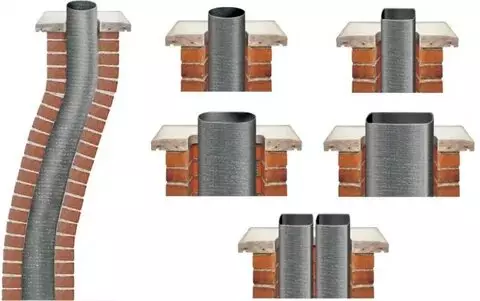
Some liners are flexible, making them easier to install in older chimneys. Others are rigid and last longer, but they may cost more upfront. The material matters, too. Stainless steel liners are durable and great for most types of fireplaces. Clay liners are less expensive at first but often require repairs sooner. Think of it like buying shoes—you want the pair that fits your needs, not just the cheapest one on the shelf.
Chimney Liner Type Durability Upfront Cost Maintenance Needs Best For
Clay Tile Medium Low High Traditional masonry chimneys
Stainless Steel High Medium Low Most modern fireplaces
Aluminum Low Low Medium Gas appliances only
Cast-In-Place Very High High Low Older chimneys needing reinforcement
2.Safety Always Comes First
You might be tempted to choose the least expensive option and move on, but your chimney liner isn’t an area to cut corners. Safety should always come first. Without a good liner, the walls of your chimney can overheat or even crack, allowing dangerous gases to seep inside your living room.
This is where choosing the right liner becomes less about cost and more about peace of mind. Even a budget-friendly choice can give you strong protection if it’s installed correctly. For families that use their fireplace often during Colorado’s chilly winters, a stainless steel liner often gives the best mix of affordability and safety. It might cost a little more than clay at the start, but it typically lasts longer with fewer surprises down the road.
3.Balancing Cost and Fireplace Cleaning
Here’s something most people don’t realize: your chimney liner and your fireplace cleaning habits go hand in hand. A liner that looks budget-friendly today may cost more in the long run if you don’t keep the fireplace clean. Ash, soot, and creosote can build up inside the chimney, putting stress on your liner.
That’s why pairing the right liner with regular fireplace cleaning is key to making the most of your money. It’s like buying a car—you don’t just get the cheapest model and never change the oil. Taking care of it makes the investment last longer.
4.Emergency Service Considerations
Another point to think about when shopping for budget-friendly liners is how easy it will be to find emergency service if something suddenly goes wrong. Imagine it’s the middle of a snowy Colorado Springs night, your chimney starts smoking badly, and you need quick help.
A liner that’s common and widely used, like stainless steel, is easier for chimney pros to service in an emergency. Rare or older types may leave you waiting longer (and paying more) for repairs. In other words, sometimes a slightly higher upfront cost buys you peace of mind in case of a sudden issue.
A Simple Thought to Remember
“Choosing the cheapest chimney liner might save money today, but choosing the right liner saves money tomorrow.”
FAQs
Q1: How long does a budget-friendly chimney liner usually last?
A: A stainless steel liner can last 15–20 years if maintained properly, while clay tile may need repairs much sooner.
Q2: Do all chimneys need a liner?
A: Yes, most chimneys need a liner for safety and efficiency. It helps carry smoke and gases out while protecting the chimney walls.
Q3: Can I install a chimney liner myself to save money?
A: It’s not recommended. Improper installation can create safety hazards and cost more to fix later.
Q4: What’s the cheapest liner option upfront?
A: Clay tile liners usually cost the least at the beginning, but they may require more frequent maintenance.
Q5: How does fireplace cleaning affect my liner?
A: Regular fireplace cleaning helps reduce buildup that can damage or shorten the life of your liner, saving you money long-term.
Conclusion
When it comes to finding the most budget-friendly chimney liner, it’s not just about the sticker price. A smart choice balances cost, safety, and long-term durability. Clay tile liners can work for traditional setups but may need more upkeep. Stainless steel often hits the sweet spot for cost and reliability, especially for families who use their fireplace often.
Whatever you choose, remember that pairing it with regular fireplace cleaning and being mindful of emergency service availability will make your investment stretch further. At the end of the day, the best budget-friendly option is the one that keeps your home safe and warm without leaving you stressed about future repairs.
Read More: Colorado Springs Chimney Sweep