
The Anatomy of a Well Designed EMS Backpack for EMT Students
The dependability of a student's equipment is crucial to the successful transfer from classroom theory to clinical practice.
The MedTech EMS backpack offers the structural framework needed to arrange the vital equipment needed for medical rotations.
A standard storage solution is not enough to manage a diverse inventory of medical supplies.
When a student manages their gear properly, they can concentrate fully on patient care instead of looking for lost items in an emergency.
Understanding the unique requirements of the field environment is the first step in creating a methodical approach to equipment organization.
The Vision Behind MedTechKits EMS Equipment
MedTechKits was founded with a clear goal: to equip emergency responders with dependable tools that support learning and confident patient care.
From the earliest days of EMT training, a well organized medkit becomes the foundation for developing disciplined habits that carry forward into professional practice.
The company focuses on designing equipment that reflects the daily realities of emergency medical work.
Each product is shaped by the practical challenges EMTs face while moving between classrooms and ambulance shifts.
Technical Deep Dive: Breaking Down the MedTech Backpack Specs
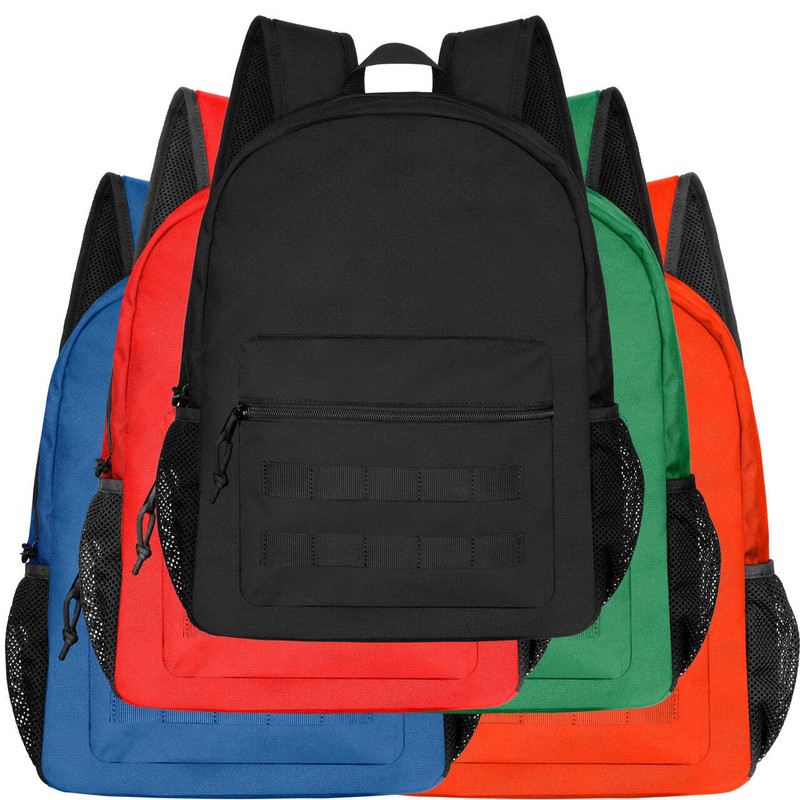
The structural integrity of the MedTech ems backpack is defined by its heavy-duty 600D polyester exterior and water-resistant finish.
Inside, a smooth lining protects delicate electronics and diagnostic screens from scratches during transit or storage.
Beyond the fabric, the bag utilizes reinforced stitching at high-stress points to prevent tearing when fully loaded with heavy medical kits.
The ergonomic design features contoured shoulder straps and breathable mesh backing to ensure comfort during long 12-hour clinical shifts.
MOLLE Webbing and Modular Attachments
The MOLLE system makes it possible to customize the bag's exterior in a way never seen before.
Students can fasten external pouches or tourniquet carriers to this sturdy nylon webbing for quick access.
A standard equipment carrier can be transformed into a customized tactical system with modular attachments to meet the demands of a particular mission.
For students who might have to move between various clinical settings, like the emergency room and the ambulance, this flexibility is crucial.
Optimized Internal Storage: Organizing for Clinical Success
Strategic compartment placement within a medical bag allows students to separate diagnostic tools from personal study materials and electronics.
The main interior space is designed to hold larger diagnostic equipment such as a resus monitor securely while providing specialized mesh pockets for smaller, frequently used instruments.
Maintaining a clean internal layout reduces the stress of searching for specific gear when arriving on a scene.
Visibility is a key component of this organization, as mesh dividers allow the user to identify contents without having to empty the entire compartment.
Field-Ready Accessibility: The Front Command Pouch
Quick-access zones are vital for items that must be deployed the moment a clinician steps off the ambulance.
The front pouch of the MedTech backpack is configured with dedicated slots for pens and smaller assessment tools.
Efficiency in the field often comes down to how quickly a trainee can transition from arrival to assessment.
Having a standardized location for writing utensils and primary diagnostic gear helps build the muscle memory necessary for professional performance.
Ergonomic Engineering: Comfort for Extended Shifts
Carrying a full load of medical equipment can place significant physical strain on a student during a twelve-hour rotation.
To mitigate this, the backpack features body-contoured shoulder straps and a padded mesh back panel designed for maximum breathability.
The materials used in the straps and backing are chosen for their ability to withstand the friction and constant movement of active field duty.
Comfort is not just a luxury but a functional requirement for maintaining alertness and physical readiness over several days of training.
Customization: Adding Your Program’s Identity
The final touch in professional gear preparation is the integration of specific program branding or school logos onto the equipment.
High-quality embroidery or heat-transfer patches allow students to represent their training institutions with pride while on duty.
Clear branding also helps students keep track of their bags and emt school supplies in busy hospital hallways or shared EMS stations.
Beyond aesthetics, clear branding helps prevent gear from being misplaced or confused with other bags in busy hospital hallways or shared stations.
Many programs choose to standardize their look to foster a sense of unity and discipline among their cohorts.
Building a Foundation for a Medical Career
Long-term success in emergency medicine is often rooted in the small efficiencies developed during initial training phases.
Choosing an equipment system that prioritizes ergonomic support and modular flexibility allows a student to remain agile and focused on patient outcomes.
As these rotations conclude and the path to certification becomes clear, the right preparation ensures that every future responder is ready for the challenges of the field.
Read: Get Best EMT Clinical Kits for EMS Students at
Frequently Asked Questions
Q1. Can the interior laptop sleeve accommodate a standard 15-inch laptop along with a full set of clinical folders?
The padded sleeve is spacious enough to fit most 15-inch laptops while still leaving room for essential paperwork and clinical documentation folders. This dual-purpose design ensures that students can carry their academic materials alongside their field gear without crowding the main compartment.
Q2. How does the 600D polyester hold up against common ambulance fluids and chemical cleaners?
The water-resistant 600D polyester provides a durable barrier that allows for easy surface cleaning after exposure to rain or environmental debris. While it is not fully submersible, the material is rugged enough to withstand standard disinfectant wipes used to maintain hygiene between shifts.
Q3. Will the side mesh pockets securely hold a standard 32oz wide-mouth water bottle during active movement?
The stretch mesh is designed with high-tension elastic to keep hydration containers or oxygen keys snug against the body of the bag. Even during rapid movement or when the bag is tossed into a side compartment, the deep pocket design prevents items from sliding out.
Q4. Is the MOLLE webbing compatible with standard trauma shear holsters and tourniquet pouches from other brands?
The exterior nylon webbing follows universal spacing standards, allowing students to attach a variety of third-party modular accessories. This flexibility allows for a truly customized setup where high-priority tools can be mounted on the shoulder straps or the front panel for no-look retrieval.