Thailand’s Cat Food Sector: Growth Drivers, Consumer Shifts and Industry Outlook
Thailand's cat food industry is experiencing a period of significant transformation, supported by changing pet ownership patterns, increasing attention to animal nutrition and the expansion of organised retail and online shopping.
Cats are becoming increasingly popular companions, particularly among urban households, where convenience, lifestyle preferences and changing family structures are influencing pet ownership decisions.
These developments are creating new opportunities for manufacturers to address evolving consumer expectations.
According to the Thailand Cat Food Market study published by Vyansa Intelligence, the industry was valued at USD 735 million in 2024 and is projected to reach USD 1.71 billion by 2030, registering a compound annual growth rate (CAGR) of 15.11% between 2025 and 2030.
This outlook reflects the growing importance of cat food consumption and the potential for product innovation, distribution development and changing purchasing preferences to influence the industry's direction.
Rising Cat Ownership Supports Industry Expansion
Increasing cat adoption is an important factor influencing demand for commercial cat food in Thailand. Urban residents, including single-person households and couples without children, are increasingly considering cats as suitable companion animals.
Their relatively convenient care requirements can make cats an attractive choice for people living in urban environments.
The broader pet ownership landscape provides additional context for this development. According to Agriculture and Agri-Food Canada's 2026 sector analysis, approximately 3.7 million Thai households owned cats in 2025, representing 14.2% of households. The country's cat population reached approximately 4.8 million during the same year. T
hese figures illustrate the expanding base of households that may require regular pet nutrition products.
The growing emotional connection between owners and companion animals is also influencing purchasing behaviour.
As pet owners increasingly consider their animals part of the family, attention to food quality, nutritional composition and product suitability becomes more important. This shift can encourage demand for products designed around different life stages and dietary requirements.
Dry Cat Food Maintains a Significant Product Position
Product segmentation remains an important feature of Thailand's cat food industry. Available categories include dry cat food, wet cat food, treats and mixers, each addressing different feeding preferences and consumption occasions.
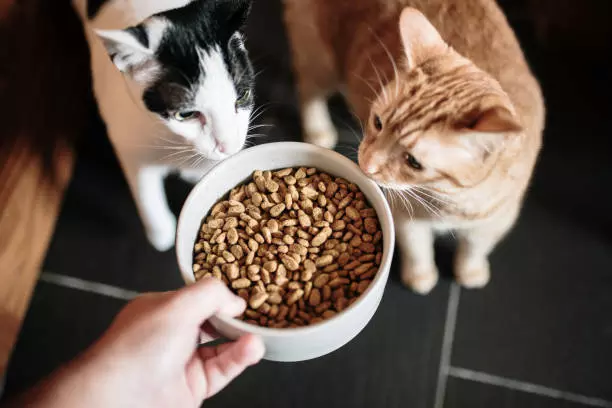
Dry cat food accounted for approximately 60% of the industry in 2024, making it the leading product category by value. Its position reflects the relevance of convenient feeding formats in everyday pet care.
Dry food can be stored and served easily, making it suitable for households that prefer straightforward feeding routines.
Wet cat food also serves an important role by offering different textures, moisture content and feeding experiences.
Some owners incorporate wet food into their cats' diets alongside dry products, while treats and mixers provide additional options for feeding variety. These categories allow manufacturers to serve different preferences without relying on a single product format.
Product development is also influenced by the need to address nutritional requirements across different life stages. Kitten, adult and senior cat products represent distinct consumer needs, encouraging manufacturers to consider age-specific formulations and product positioning.
Premiumisation and Nutritional Awareness Influence Purchasing
Consumer interest in pet health and nutrition is becoming an important consideration for manufacturers operating in Thailand. Pet owners are increasingly attentive to ingredient quality, nutritional value and the suitability of food for individual animals.
This changing behaviour creates opportunities for differentiated products, including formulations designed for specific dietary requirements.
Manufacturers may explore products with clearly communicated nutritional benefits, alternative ingredient combinations and formulations intended for different age groups.
However, premiumisation does not necessarily mean that affordability becomes less important.
Household spending considerations can influence purchasing decisions, particularly when pet food is a recurring expense. Consequently, product developers need to consider the relationship between nutritional value, product quality and accessible pricing.
The wider Thai pet food industry also reflects these changing preferences. Thailand's Trade Policy and Strategy Office has highlighted growing interest in healthy pet nutrition and affordable premium products. Its industry commentary identifies nutritional quality, food safety a
nd specialised formulations as relevant areas of product development. Although these observations cover pet food more broadly, they provide useful context for understanding developments in cat food.
Retail and E-Commerce Shape Distribution Strategies
Distribution channels play a significant role in determining how cat food products reach consumers. According to the industry study, retail channels accounted for approximately 90% of sales in Thailand's cat food industry.
Physical retail outlets remain relevant because consumers can compare product formats, examine packaging and purchase food alongside other pet care essentials. Supermarkets, specialist pet stores and other retail outlets can therefore contribute to product visibility and accessibility.
At the same time, e-commerce is creating additional opportunities for manufacturers and distributors. Online platforms provide access to a wider assortment of products and allow consumers to compare brands, ingredients and prices without visiting multiple stores.
The relatively accessible nature of online selling can also reduce some of the barriers faced by new entrants seeking to establish brand awareness. Digital platforms and social media provide additional channels for communicating product information and reaching specific consumer groups.
The relationship between physical retail and online shopping is likely to remain important. Rather than replacing traditional outlets entirely, digital distribution can complement existing retail networks and provide consumers with additional purchasing options.
https://medium.com/midknight-falls/did-cat-food-poison-the-colonel-77229c599f5c
Competitive Landscape and Local Product Development
Thailand's cat food industry includes both domestic manufacturers and international companies. The competitive landscape features businesses such as I-Tail Corp PCL, Pet Protect Food Co Ltd, Thai Inaba Foods Co Ltd, Mars Thailand Inc and Perfect Companion Co Ltd.
The industry study identifies more than 20 companies actively involved in cat food production, with the five leading companies collectively accounting for approximately 55% of the industry.
This indicates a competitive environment in which established manufacturers maintain significant positions while other businesses participate in product development and distribution.
Local manufacturers have opportunities to strengthen their positions through product innovation, manufacturing capabilities and an understanding of domestic consumer preferences. International companies, meanwhile, contribute established product portfolios and brand recognition.
Competition is not limited to pricing. Ingredient selection, nutritional positioning, packaging formats, product consistency and distribution availability can all influence consumer decisions.
Manufacturers that respond effectively to these factors may be better positioned to address changing purchasing expectations.
Industry Outlook Through 2030
Thailand's cat food industry is expected to experience considerable expansion through 2030, supported by increasing cat ownership, greater attention to pet nutrition and the development of distribution channels.
The projected increase from USD 735 million in 2024 to USD 1.71 billion by 2030 indicates the scale of the anticipated expansion.
Several developments will remain relevant to the industry's future direction. Product diversification, demand for nutritional formulations, the continued importance of dry food and the expansion of online purchasing are among the factors shaping competitive activity.
Nevertheless, the pace of development will depend on how manufacturers respond to consumer expectations, pricing considerations and competitive pressures.
Product quality, nutritional transparency and distribution accessibility will remain important considerations for businesses serving Thai cat owners.
Overall, the industry's outlook reflects a combination of changing household preferences, evolving approaches to pet care and a more diversified product and distribution environment. These developments are establishing the conditions for further transformation in Thailand's cat food sector over the remainder of the decade.
Thailand's cat food industry is experiencing a period of significant transformation, supported by changing pet ownership patterns, increasing attention to animal nutrition and the expansion of organised retail and online shopping.
Cats are becoming increasingly popular companions, particularly among urban households, where convenience, lifestyle preferences and changing family structures are influencing pet ownership decisions.
These developments are creating new opportunities for manufacturers to address evolving consumer expectations.
According to the Thailand Cat Food Market study published by Vyansa Intelligence, the industry was valued at USD 735 million in 2024 and is projected to reach USD 1.71 billion by 2030, registering a compound annual growth rate (CAGR) of 15.11% between 2025 and 2030.
This outlook reflects the growing importance of cat food consumption and the potential for product innovation, distribution development and changing purchasing preferences to influence the industry's direction.
Rising Cat Ownership Supports Industry Expansion
Increasing cat adoption is an important factor influencing demand for commercial cat food in Thailand. Urban residents, including single-person households and couples without children, are increasingly considering cats as suitable companion animals. Their relatively convenient care requirements can make cats an attractive choice for people living in urban environments.
The broader pet ownership landscape provides additional context for this development. According to Agriculture and Agri-Food Canada's 2026 sector analysis, approximately 3.7 million Thai households owned cats in 2025, representing 14.2% of households. The country's cat population reached approximately 4.8 million during the same year. These figures illustrate the expanding base of households that may require regular pet nutrition products.
The growing emotional connection between owners and companion animals is also influencing purchasing behaviour.
As pet owners increasingly consider their animals part of the family, attention to food quality, nutritional composition and product suitability becomes more important. This shift can encourage demand for products designed around different life stages and dietary requirements.

Dry Cat Food Maintains a Significant Product Position
Product segmentation remains an important feature of Thailand's cat food industry. Available categories include dry cat food, wet cat food, treats and mixers, each addressing different feeding preferences and consumption occasions.
Dry cat food accounted for approximately 60% of the industry in 2024, making it the leading product category by value.
Its position reflects the relevance of convenient feeding formats in everyday pet care. Dry food can be stored and served easily, making it suitable for households that prefer straightforward feeding routines.
Wet cat food also serves an important role by offering different textures, moisture content and feeding experiences.
Some owners incorporate wet food into their cats' diets alongside dry products, while treats and mixers provide additional options for feeding variety. These categories allow manufacturers to serve different preferences without relying on a single product format.
Product development is also influenced by the need to address nutritional requirements across different life stages. Kitten, adult and senior cat products represent distinct consumer needs, encouraging manufacturers to consider age-specific formulations and product positioning.
Premiumisation and Nutritional Awareness Influence Purchasing
Consumer interest in pet health and nutrition is becoming an important consideration for manufacturers operating in Thailand. Pet owners are increasingly attentive to ingredient quality, nutritional value and the suitability of food for individual animals.
This changing behaviour creates opportunities for differentiated products, including formulations designed for specific dietary requirements. Manufacturers may explore products with clearly communicated nutritional benefits, alternative ingredient combinations and formulations intended for different age groups.
However, premiumisation does not necessarily mean that affordability becomes less important. Household spending considerations can influence purchasing decisions, particularly when pet food is a recurring expense.
Consequently, product developers need to consider the relationship between nutritional value, product quality and accessible pricing.
The wider Thai pet food industry also reflects these changing preferences. Thailand's Trade Policy and Strategy Office has highlighted growing interest in healthy pet nutrition and affordable premium products.
Its industry commentary identifies nutritional quality, food safety and specialised formulations as relevant areas of product development. Although these observations cover pet food more broadly, they provide useful context for understanding developments in cat food.
Retail and E-Commerce Shape Distribution Strategies
Distribution channels play a significant role in determining how cat food products reach consumers. According to the industry study, retail channels accounted for approximately 90% of sales in Thailand's cat food industry.
Physical retail outlets remain relevant because consumers can compare product formats, examine packaging and purchase food alongside other pet care essentials. Supermarkets, specialist pet stores and other retail outlets can therefore contribute to product visibility and accessibility.
At the same time, e-commerce is creating additional opportunities for manufacturers and distributors. Online platforms provide access to a wider assortment of products and allow consumers to compare brands, ingredients and prices without visiting multiple stores.
The relatively accessible nature of online selling can also reduce some of the barriers faced by new entrants seeking to establish brand awareness. Digital platforms and social media provide additional channels for communicating product information and reaching specific consumer groups.
The relationship between physical retail and online shopping is likely to remain important. Rather than replacing traditional outlets entirely, digital distribution can complement existing retail networks and provide consumers with additional purchasing options.
Competitive Landscape and Local Product Development
Thailand's cat food industry includes both domestic manufacturers and international companies. The competitive landscape features businesses such as I-Tail Corp PCL, Pet Protect Food Co Ltd, Thai Inaba Foods Co Ltd, Mars Thailand Inc and Perfect Companion Co Ltd.
The industry study identifies more than 20 companies actively involved in cat food production, with the five leading companies collectively accounting for approximately 55% of the industry.
This indicates a competitive environment in which established manufacturers maintain significant positions while other businesses participate in product development and distribution.
Local manufacturers have opportunities to strengthen their positions through product innovation, manufacturing capabilities and an understanding of domestic consumer preferences. International companies, meanwhile, contribute established product portfolios and brand recognition.
Competition is not limited to pricing. Ingredient selection, nutritional positioning, packaging formats, product consistency and distribution availability can all influence consumer decisions.
Manufacturers that respond effectively to these factors may be better positioned to address changing purchasing expectations.
Industry Outlook Through 2030
Thailand's cat food industry is expected to experience considerable expansion through 2030, supported by increasing cat ownership, greater attention to pet nutrition and the development of distribution channels.
The projected increase from USD 735 million in 2024 to USD 1.71 billion by 2030 indicates the scale of the anticipated expansion.
Several developments will remain relevant to the industry's future direction. Product diversification, demand for nutritional formulations, the continued importance of dry food and the expansion of online purchasing are among the factors shaping competitive activity.
Nevertheless, the pace of development will depend on how manufacturers respond to consumer expectations, pricing considerations and competitive pressures.
Product quality, nutritional transparency and distribution accessibility will remain important considerations for businesses serving Thai cat owners.
Overall, the industry's outlook reflects a combination of changing household preferences, evolving approaches to pet care and a more diversified product and distribution environment.
These developments are establishing the conditions for further transformation in Thailand's cat food sector over the remainder of the decade.