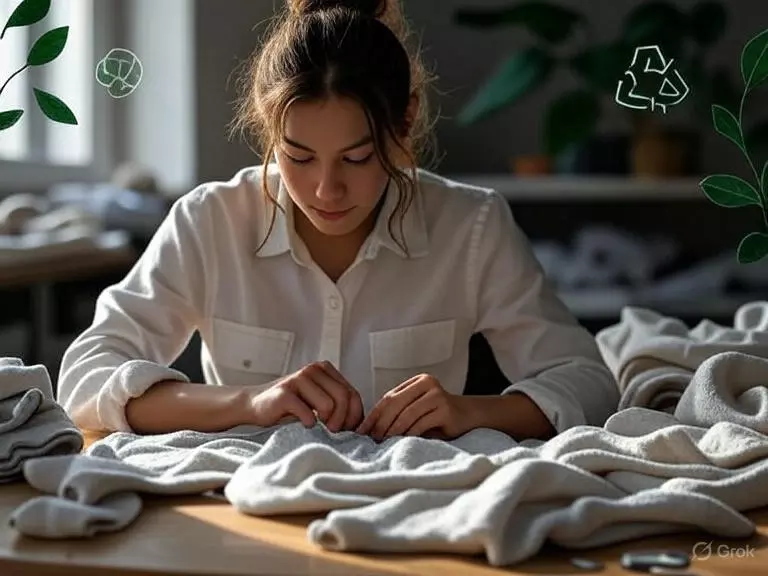
The Buyers Guide to Ethical Textile and Apparel Production
From a single stitch to the finished garment on the shelf is a long and complicated journey. Understanding this process is important for buyers of apparel and clothing. What happens when you peel away the layers in textile and apparel production? Focus is now shifting from quality and price to ethical principles. This guide provides an in-depth look at the ethical production process, allowing buyers to make responsible and informed sourcing decisions.
The importance of transparent supply chains, key ethical labor practices and ethical clothing manufacturing will be explored. This course will help you understand why ethical practices in fashion are more important than ever, and what steps you can take to promote this change.
What does ethical apparel and textile production mean?
The core of ethical clothing and textile production lies in treating each person who is involved with the creation of a garment with respect and dignity. This is a commitment towards safe working conditions and fair wages throughout the supply chain. It's a stark contrast with business models which prioritize low cost and speed over human welfare and the health of our planet.
Partnering with factories who adhere to these standards, is not only a moral decision for buyers; it also has a strong strategic value. Customers are demanding more ethical clothing, and companies that show a real commitment to manufacturing ethics build trust and loyalty with their customers. Fair labor practices, environmental responsibility, and transparency in the supply chain are all part of ethical production.
Pillars of ethical labor practices
Fashion ethics is based on the treatment of workers. Poor working conditions have been a problem in the apparel industry for many years. The standards of ethical labor are non-negotiable and protect workers' rights.
Work Hours and Fair Wages
The provision of a living income is a fundamental element in ethical production. It's enough to allow workers to cover their basic expenses and still have some extra money. It goes above the minimum legal wage which can be insufficient. This includes adhering the legal limitations on work hours, not forcing workers to do overtime and providing adequate rest days and breaks.
Workplaces that are safe and healthy
A workplace that is free of hazards is essential for ethical garment production. It includes structurally sound building, adequate ventilation, fire escapes that are easily accessible, and an absence of hazardous chemicals or machines. To prevent occupational diseases and accidents, factories must train their workers and provide them with personal protective equipment. To maintain these standards, regular audits and checks on safety are required.
Unions have the right to unionize
The freedom of workers to join or form unions, and participate in collective bargaining should be unaffected by retaliation. The unions are vital in their advocacy for fair wages, better working conditions and safer workplaces. This right represents a commitment by a company to fair labor practices.
Environmental responsibility in manufacturing
The concept of ethical production does not only apply to humans; it also applies to our planet. Textiles are a large consumer of energy and water, and they also cause significant pollution. The goal of ethical manufacturing is to reduce this impact on the environment.
Sustainable Materials and Processes
The first step is to choose sustainable materials. Organic cotton is a good option, as it does not contain harmful pesticides. Innovative materials can also be made using recycled fibers. The production process is just as important. The production processes are important.
Reduce Waste and Circularity
Circular fashion is a way to reduce waste. Fabric scraps can be repurposed and recycled in an ethical model of production, rather than being thrown away. The mindset is applied to all aspects of the product's lifecycle including garment design for durability and recycling. It is important to have a closed loop system that allows resources to be reused continuously, thus reducing the use of new materials.
Transparency is the key to accountability
What can you do to ensure that a supplier follows true ethical standards? Transparency is the answer. Transparency in the supply chain will allow you to track a garment's progress from its raw materials to its finished product, giving visibility at every stage.
Auditors and certifications
Audits and certifications by third parties are useful tools to verify claims about ethical manufacturing. Organisations such as Fair Trade (Worldwide Responsible Awarded Production), WRAP, and SA8000 offer standards and perform independent assessments on factories. Although certifications do not guarantee a product's quality, they provide a baseline to evaluate a supplier on their performance in terms of social and environmental metrics.
Building direct relationships
It is important to build strong direct relationships, beyond certifications. You can see the factory operations and build a relationship based on mutual values through regular communication. Understanding your suppliers' challenges and achievements will help you to work with them on continuous improvements in textile and apparel production.
What is the role of the buyer in promoting ethical production?
You have a lot of influence as a purchaser in the clothing industry. You can support exploitative business practices, or you can promote positive changes. Prioritizing ethical sourcing in your strategy sends a strong message to customers that doing business responsibly is an essential part of any successful company.
Asking detailed questions to potential suppliers about their policies on labor, the environment, and transparency in the supply chain is a good way to start. Find partners that are willing to be audited and who can demonstrate their commitment to ethics.
Consider how you present your products. Packaging can show your dedication to sustainability. Custom boxes for clothing made of recycled material or custom apparel boxes wholesale by suppliers who have eco-friendly credentials will complete the ethical story, from presentation to production. Integrating ethics in all aspects of your company will help you build a successful brand and one that does good.