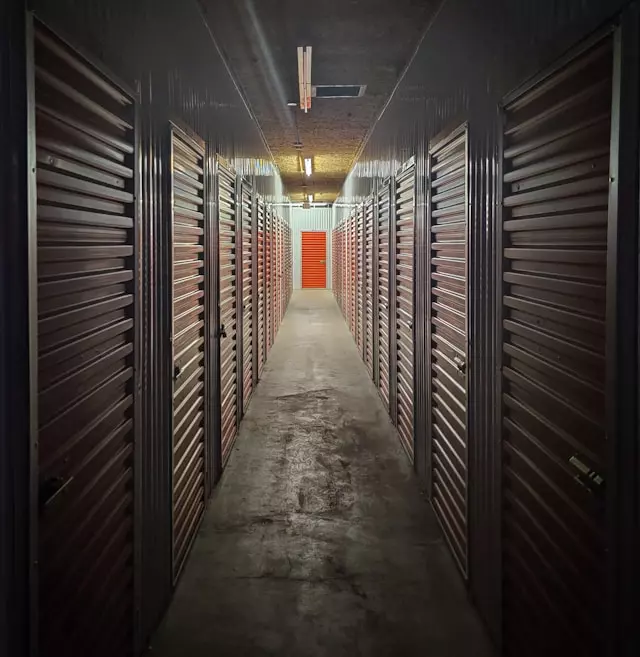
Temporary Storage Solutions for Home Renovations in Houston
Home renovations are an exciting way to breathe new life into your living space, but they can also bring about a lot of chaos and disruption. Between the dust, the construction tools, and the inevitable clutter, maintaining an organized environment can be incredibly challenging.
Add to that the prospect of trying to keep your furniture, valuables, and personal items safe, and the need for temporary storage during a home renovation becomes undeniable.
If you're tackling a renovation project in Houston, finding a reliable temporary storage solution will not only protect your belongings but also help you stay organized and reduce stress.
In this post, we’ll explore the different storage options available to homeowners during a renovation, along with tips on how to effectively use a storage unit to ensure a smooth and efficient project.
Whether you’re remodeling a single room or undertaking a complete overhaul, this guide will provide practical advice to make the process as hassle-free as possible.
Why You Need Temporary Storage During a Home Renovation
Home renovations often involve major changes to the structure or layout of a house. This can lead to rooms being torn apart, flooring removed, and walls stripped down—all of which create a great deal of mess and disruption. As the project progresses, it’s easy for items to get damaged or lost amidst the construction.
Here are some of the key reasons why temporary storage is an essential part of any home renovation:
- Protect Valuable Furniture and Appliances: Construction zones are full of dust, debris, and heavy equipment. Storing delicate or bulky furniture and appliances in a safe place will prevent them from getting damaged.
- Free Up Space for Work: When a room is filled with items that aren’t essential to the renovation, it becomes more difficult for contractors to work efficiently. By temporarily storing your belongings, you allow your contractors to move freely and focus on the job at hand.
- Declutter Your Home: Renovations often create chaos. Having a storage unit for your belongings gives you the opportunity to declutter, helping you stay organized and allowing you to focus on the task at hand.
- Access Your Belongings Easily: Unlike leaving your items in a basement or attic, a storage unit allows for easy access to your belongings if you need them during the renovation.
Temporary storage options can be both cost-effective and convenient, providing the flexibility to keep your home organized and your belongings safe while the work is underway.
Step 1: Choosing the Right Storage Unit for Your Needs
When considering storage during a home renovation in Houston, one of the first decisions you need to make is what type of storage unit will best serve your needs. There are various factors to take into account, such as the size of the renovation, the duration of the project, and the types of items you're storing.
1. Size of the Unit
The first thing to determine is how much space you will need. For smaller renovations, such as remodeling a single room, a smaller unit may be sufficient. However, if you’re renovating multiple rooms or your entire home, you’ll need a larger unit to accommodate your furniture, appliances, and other household items.
Here’s a general guide to storage unit sizes:
- 5x5 Storage Unit: Perfect for storing a few boxes, small furniture, and personal items (ideal for a single room renovation).
- 5x10 Storage Unit: Can hold items from one or two rooms, including furniture, boxes, and smaller appliances.
- 10x10 Storage Unit: Suitable for larger renovations involving multiple rooms or larger furniture.
- 10x15 or 10x20 Storage Unit: Ideal for full-home renovations or larger projects, providing ample space for furniture, appliances, and other belongings.
Make sure to assess the size of your belongings and the scope of your renovation to choose the most appropriate unit.
2. Climate Control Considerations
Houston’s weather can be hot and humid, which could pose a threat to sensitive items, such as wooden furniture, electronics, and artwork. If your renovation is expected to last for several months or if you're storing delicate items, consider a climate-controlled storage unit.
These units maintain a steady temperature and humidity level, protecting your valuables from extreme heat, moisture, and other environmental factors that could lead to damage.
If you're only storing less sensitive items, a standard non-climate-controlled unit may be sufficient, saving you some extra costs.
3 Accessibility
Depending on the duration and scale of your renovation, you may need to access your stored items frequently. Therefore, it's essential to choose a storage facility that offers convenient access options. Look for a storage unit that provides:
- Extended Hours or 24/7 Access: Many facilities offer flexible access hours, allowing you to drop off or pick up items when it's most convenient for you.
- Drive-Up Access: For easy loading and unloading, a unit with drive-up access allows you to pull your vehicle directly to the unit for quick and efficient storage.
Step 2: Organizing Your Belongings for Storage
Now that you've selected the right storage unit, the next step is organizing your belongings for storage. Proper organization will help maximize your storage space, ensure easy access, and protect your items.
1 Disassemble Large Furniture
If you have bulky furniture, such as bed frames, tables, or bookshelves, take the time to disassemble them before moving them into storage. Disassembling large pieces will help maximize space and make it easier to store them in your unit. Keep all hardware (screws, bolts, etc.) in labeled bags and tape them to the corresponding furniture pieces for easy reassembly.
2 Use Protective Materials for Fragile Items
Packing fragile items like glassware, electronics, and artwork is essential to preventing damage during storage. Use bubble wrap, packing paper, or blankets to protect these items. For artwork, invest in special picture boxes or cover frames with protective padding. For electronics, ensure that they are stored in their original boxes or cushioned with foam padding.
3 Label Everything Clearly
Labeling your boxes and containers is essential for keeping track of where everything is. Create an inventory list and label boxes with their contents. Consider using color-coded labels for different types of items (e.g., blue for kitchen items, green for bedroom furniture). This will make it easier to locate items later, especially if you need to retrieve something quickly during the renovation.
4 Maximize Vertical Space
Take advantage of the vertical space in your storage unit by stacking boxes and furniture. When stacking boxes, place heavier ones at the bottom and lighter ones on top. If possible, use shelves to keep things organized and ensure that nothing is blocking the entrance to the unit for easy access.
5 Leave Room for Access
If you plan on accessing the unit during your renovation, be sure to leave space at the front of the unit for easy retrieval of frequently used items. You don’t want to have to dig through a pile of boxes just to grab something you need.
Step 3: Managing Your Storage Unit During Renovation
Once your belongings are safely stored, the next step is managing your storage unit throughout the renovation process. Renovations can sometimes take longer than expected, so it’s important to stay on top of things and monitor the progress of your project.
1 Regularly Check on Your Items
Even if you don’t need to access your belongings regularly, it’s a good idea to check on your items every few weeks. Ensure that everything is still in good condition and that there are no signs of damage or theft. If your storage facility offers regular maintenance or inspections, take advantage of these services.
2 Stay Organized
As your renovation progresses, it’s easy for your unit to become disorganized if you're moving items in and out. Try to keep your unit as organized as possible, especially if you plan on retrieving things while the renovation is underway.
3 Stay Flexible
Renovations don’t always go according to plan. If there are delays or changes in your timeline, you may need to adjust your storage needs. Many storage facilities offer flexible rental agreements, allowing you to extend or shorten your rental period based on your project’s needs.
Conclusion
Temporary storage solutions play a crucial role in making home renovations smoother and less stressful. Whether you’re protecting your furniture from dust and debris or simply creating space for contractors to work, a well-organized storage unit can ensure that your renovation project goes off without a hitch.
By choosing the right size, type, and location of storage, packing and organizing efficiently, and managing your unit throughout the renovation, you can enjoy a successful home improvement experience.
Remember, taking a little time upfront to plan and prepare your storage needs will help you save time and avoid unnecessary headaches in the long run. With the right storage strategy, you can focus on making your home renovation dreams a reality.