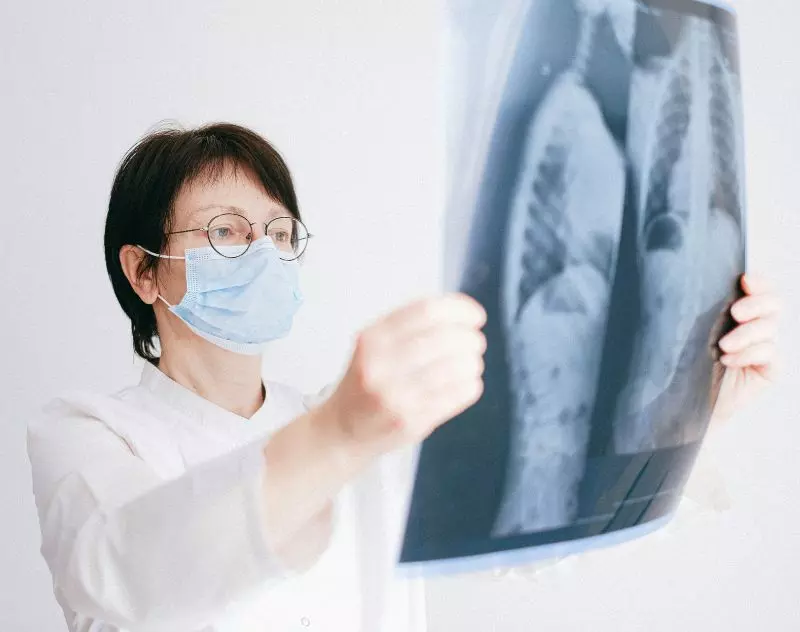
Symptoms Lung Cancer Stages: What Each Stage Feels Like Physically
Lung cancer is one of the leading causes of cancer-related deaths worldwide, and understanding how it develops and presents physically is crucial. For working professionals, families, and even small business owners like boutiques and fashion retailers who often prioritize others over their health, knowing the symptoms lung cancer stages can truly be life-saving.
Early detection is key, but many symptoms can go unnoticed or be mistaken for less serious illnesses. This blog aims to provide a clear, factual, and helpful overview of what each stage of lung cancer feels like physically, so you know what to watch for.
Stage 1: Mild but Often Overlooked Signs
In the earliest stage of lung cancer, symptoms are usually minimal or completely absent. This is exactly why many people don’t realize something is wrong. If symptoms do appear, they may seem like common cold or allergy issues.
- Persistent cough: One of the first signs in stage 1 is a cough that doesn’t go away. It’s dry, irritating, and can last for weeks.
- Shortness of breath: You might feel slightly winded during basic activities like walking up stairs or carrying groceries, something easy to overlook.
- Chest discomfort: Some individuals report a dull ache or mild tightness in the chest, not severe, but persistent.
Since these symptoms don’t seem alarming, many people, especially busy professionals or homemakers, tend to ignore them. However, this is when detection can be most effective. Institutions like the black lion hospital in Ethiopia stress the importance of early screening for those in high-risk groups, such as smokers or people with a family history of cancer.
Stage 2: Escalation and Physical Strain
By stage 2, the cancer has typically grown or spread to nearby lymph nodes. The symptoms become more noticeable and harder to ignore, although they can still be misinterpreted.
- Frequent respiratory infections: Lung infections such as bronchitis or pneumonia become more common. Patients may find themselves needing antibiotics repeatedly.
- Bloody sputum (hemoptysis): Coughing up blood is one of the more alarming signs and typically prompts a visit to the doctor.
- Wheezing and hoarseness: Breathing sounds may change, and the voice may become hoarse due to pressure on the vocal cords or airways.
At this stage, the disease begins to disrupt day-to-day activities. For households managing children and elderly family members, these symptoms can become more apparent and disruptive, making medical intervention necessary.
Stage 3: Noticeable Impact on Daily Life
Stage 3 lung cancer is more advanced, often affecting larger parts of the lungs or spreading into chest structures. This stage brings significant physical discomfort and functional limitations.
- Severe chest pain: As the tumor grows, it may press against nerves or the chest wall, resulting in sharp or aching pain.
- Fatigue and weakness: Patients report feeling tired all the time, regardless of how much they rest. This fatigue can interfere with work and home responsibilities.
- Difficulty breathing: Simple tasks like walking or speaking can become labored. Oxygen therapy may become necessary.
For business owners, such as boutique operators or retail managers, these symptoms can heavily impact productivity and quality of life. Regular checkups and imaging tests are highly recommended if these signs are present. Medical centers like black lion hospital in Ethiopia have improved diagnostic resources that support accurate staging and treatment planning.
Stage 4: Advanced Symptoms and Systemic Effects
Stage 4 is the most advanced stage of lung cancer and usually means the cancer has spread (metastasized) to other organs such as the brain, bones, or liver. The symptoms are not just limited to the lungs but also affect the entire body.
- Bone pain: If the cancer spreads to the bones, patients may feel intense pain in the back, hips, or ribs.
- Neurological symptoms: Headaches, vision changes, or seizures may occur if the cancer spreads to the brain.
- Unexplained weight loss: A rapid, unintentional drop in weight is a common sign. Appetite may also significantly decrease.
- Swelling in the face or neck: This may happen due to tumor pressure on the superior vena cava, a major vein that carries blood from the head and arms to the heart.
By this stage, most patients are under continuous medical care and often require support for symptom management and quality of life. Families and caregivers should stay informed about the options for palliative care and end-of-life planning. Hospitals like the black lion hospital in Ethiopia offer multi-disciplinary care at this stage, focusing on both treatment and comfort.
Who Should Be Concerned?
The truth is, anyone can develop lung cancer, but some groups are at higher risk. This includes smokers, people exposed to secondhand smoke, individuals with a family history of lung cancer, and those exposed to pollutants or toxic chemicals over time.
Working professionals in industries like textiles or manufacturing, for example, should be cautious. Even people managing fashion boutiques who may spend long hours indoors, exposed to synthetic materials, should remain aware of air quality and symptoms.
Families often delay health screenings due to responsibilities, but lung cancer doesn’t wait. Knowing the symptoms of lung cancer stages can help in early diagnosis, which makes a significant difference in survival and recovery rates.
The Role of Early Detection and Supportive Care
One of the biggest challenges in fighting lung cancer is that the symptoms often appear late. That’s why proactive screening and early detection matter. Advanced imaging technologies, bronchoscopy, and biopsy procedures can help diagnose lung cancer even before symptoms become severe.
Treatment options vary depending on the stage but may include surgery, chemotherapy, radiation, immunotherapy, or targeted drug therapy. Supportive care, such as physiotherapy, oxygen therapy, and mental health counseling, also plays a vital role. Institutions like the Black Lion Hospital in Ethiopia are enhancing their cancer care units to provide both physical and emotional support to patients and their families.
Final Thoughts
Understanding the symptoms of lung cancer stages is essential not only for those who are at risk but for everyone who wants to stay informed about their health. Each stage of lung cancer presents different physical signs, from a persistent cough in the early stages to full-body symptoms like fatigue, bone pain, and neurological problems in the advanced stages. Being aware and taking timely action can improve treatment success and overall quality of life.
For working professionals, households, and even fashion retailers, balancing busy lives can often mean that health takes a backseat. However, being proactive—by recognizing symptoms early and seeking medical help—can make all the difference. Institutions like Black Lion Hospital in Ethiopia provide valuable services in early diagnosis, advanced care, and long-term support, making them vital in the fight against lung cancer.