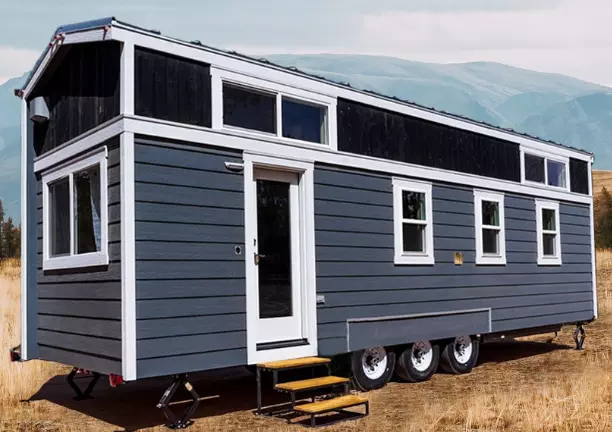
Sustainable Tiny House Living Changes Colorado Homeownership Dreams Fast
Colorado has this weird mix right now. Housing prices keep climbing, people want freedom, and honestly a lot of folks are just tired of giant mortgages.
That’s why searches for tiny home for sale Colorado keep exploding. People are looking for simpler setups. Smaller homes. Less waste. Less stress too.
Tiny houses aren’t only for minimalist influencers anymore. Retired couples buy them. Young families use them as starter homes. Some people even build backyard guest spaces or Airbnb rentals.
It’s become practical now, not just trendy. And Colorado fits the lifestyle perfectly. Mountains, open land, tiny home communities popping up all over. Makes sense.
Tiny House Code Matters More Than Most Buyers Realize
A lot of buyers jump straight into floorplans and finishes without checking tiny house code. Big mistake honestly.
Colorado has different zoning rules depending on the county or city. One town may allow full-time tiny house living while another treats it like an RV. That can get messy fast. Especially if somebody spends serious money before checking local regulations.
The International Residential Code, specifically Appendix Q, changed a lot for tiny homes. It created standards for ceiling heights, loft stairs, emergency exits, and things like that.
Some Colorado counties adopted it. Some haven’t fully. So buyers need to slow down a little and do homework first.
It’s not exciting stuff. But it saves headaches later.
Sustainable Living Actually Feels Different in a Tiny House
People throw around the word sustainable constantly now. Half the time it sounds fake. But living tiny really does reduce waste in real ways.
You use less electricity because there’s less space to heat and cool. Water usage usually drops too. Most tiny homeowners stop buying random junk because there’s literally nowhere to put it. Funny how fast priorities change when storage disappears.
Solar systems also work better on smaller homes. Composting toilets, rainwater collection setups, propane heating — all that becomes easier and more affordable inside a compact footprint.
A lot of Colorado tiny homeowners are trying to live closer to nature, not just save money.
And honestly, many of them seem happier. Less clutter. Less financial pressure. More freedom to actually go outside.

Finding the Right Tiny Home for Sale Colorado Buyers Actually Want
Not every tiny house is built right. Some look amazing online but fall apart after one winter in Colorado weather.
That’s why quality matters a lot more than flashy interior photos. Colorado gets heavy snow, strong wind, freezing temps. Cheap trailers and weak insulation don’t survive long up there.
Buyers need solid framing, proper weight distribution, durable roofing, and insulation that can handle mountain climates.
The best tiny homes usually balance mobility with strength. Too heavy and towing becomes dangerous. Too light and the house feels flimsy. There’s kind of an art to it honestly.
People searching for tiny home for sale Colorado should also think beyond aesthetics. Layout matters daily. A pretty kitchen means nothing if the loft feels impossible to climb at night.
Off-Grid Tiny Houses Are Becoming More Common
Colorado attracts a lot of independent-minded people. No shock there. So off-grid tiny living keeps gaining traction.
Some homeowners place tiny houses on remote land and build complete self-sufficient systems. Solar panels. Water storage. Wood stoves. Battery banks. It sounds extreme until you realize many people save massive amounts long term.
But off-grid doesn’t mean zero rules. Counties still regulate septic systems, water access, and road access. Tiny house code still applies in many situations even when properties feel isolated.
People romanticize off-grid life online. Reality’s a little rougher sometimes. Snow removal. Battery maintenance. Frozen pipes. It takes work. Still, for the right person, it’s worth it.
Tiny Home Communities Are Changing Colorado Housing
One really interesting shift is the growth of tiny house communities around Colorado.
These developments give people legal places to park and live full time. Shared gardens, community spaces, utility hookups — stuff that solves many zoning problems. They’re especially popular with retirees and remote workers.
Community living also helps people transition into tiny life easier. Living tiny can feel isolating at first if somebody moves onto rural land completely alone. Tiny neighborhoods create balance. Privacy but also connection.
And honestly, some of these communities are nicer than traditional subdivisions. Less noise. More trees. More intentional living. Sounds cheesy maybe, but it’s true.

Financing Tiny Homes Still Confuses A Lot of Buyers
This part gets frustrating. Financing tiny houses isn’t always straightforward.
Traditional mortgages often don’t work for homes on wheels. Some buyers use RV loans instead. Others pay cash or use personal loans. It depends on whether the structure qualifies as real property or movable property.
That’s another reason tiny house code matters so much. Legal classification affects insurance, financing, taxes, everything really.
Colorado lenders are slowly adapting because demand keeps growing. Still not perfect though. Buyers should expect more paperwork and questions compared to regular houses. It’s getting easier year by year, just not fully there yet.
Downsizing Isn’t Always Easy at First
People love the idea of minimalism until it’s time to actually get rid of stuff.
Tiny living forces hard choices. Closets shrink. Kitchens shrink. Sometimes emotions hit unexpectedly too. People attach memories to objects more than they realize. Downsizing can feel weirdly personal.
But after a few months, many homeowners stop missing the extra space. They spend more time outdoors. Less time cleaning. Less money disappears into random house repairs and furniture purchases.
It changes daily habits in subtle ways. Life slows down a little. Not perfectly. But enough to notice.
Read: Discover Your Dream Home at Arvind Aqua City Kalyangadh
Building Codes and Safety Should Never Be Ignored
Some people try cutting corners with DIY tiny homes. That can get dangerous quickly.
Electrical systems, trailer engineering, propane installation — none of that should be guessed at. Colorado weather exposes weaknesses fast. One bad snowstorm can wreck poorly built structures.
Professional builders understand tiny house code requirements for safety and durability. Emergency exits matter. Weight calculations matter. Ventilation definitely matters in compact spaces.
There’s nothing wrong with custom DIY work. Just don’t treat it casually. Tiny homes may be small, but building them correctly takes real expertise.
Colorado Tiny Living Looks More Permanent Than Temporary
At first, tiny houses felt like a passing thing. Now it honestly looks permanent.
Housing affordability keeps pushing people toward alternatives. Sustainability matters more now too. Younger buyers care less about giant homes and more about flexibility. Colorado especially attracts people wanting outdoor-focused lifestyles instead of oversized suburban living.
The market for tiny home for sale Colorado listings will probably keep growing because the demand feels real now. Not hype. Actual lifestyle change.
If somebody wants freedom, lower expenses, and a smaller environmental footprint, tiny living makes a lot of sense. Not for everybody. But definitely for more people than most expected.
Visit Trailer Made Custom Trailers to start designing a durable, road-ready tiny house trailer built for Colorado living.