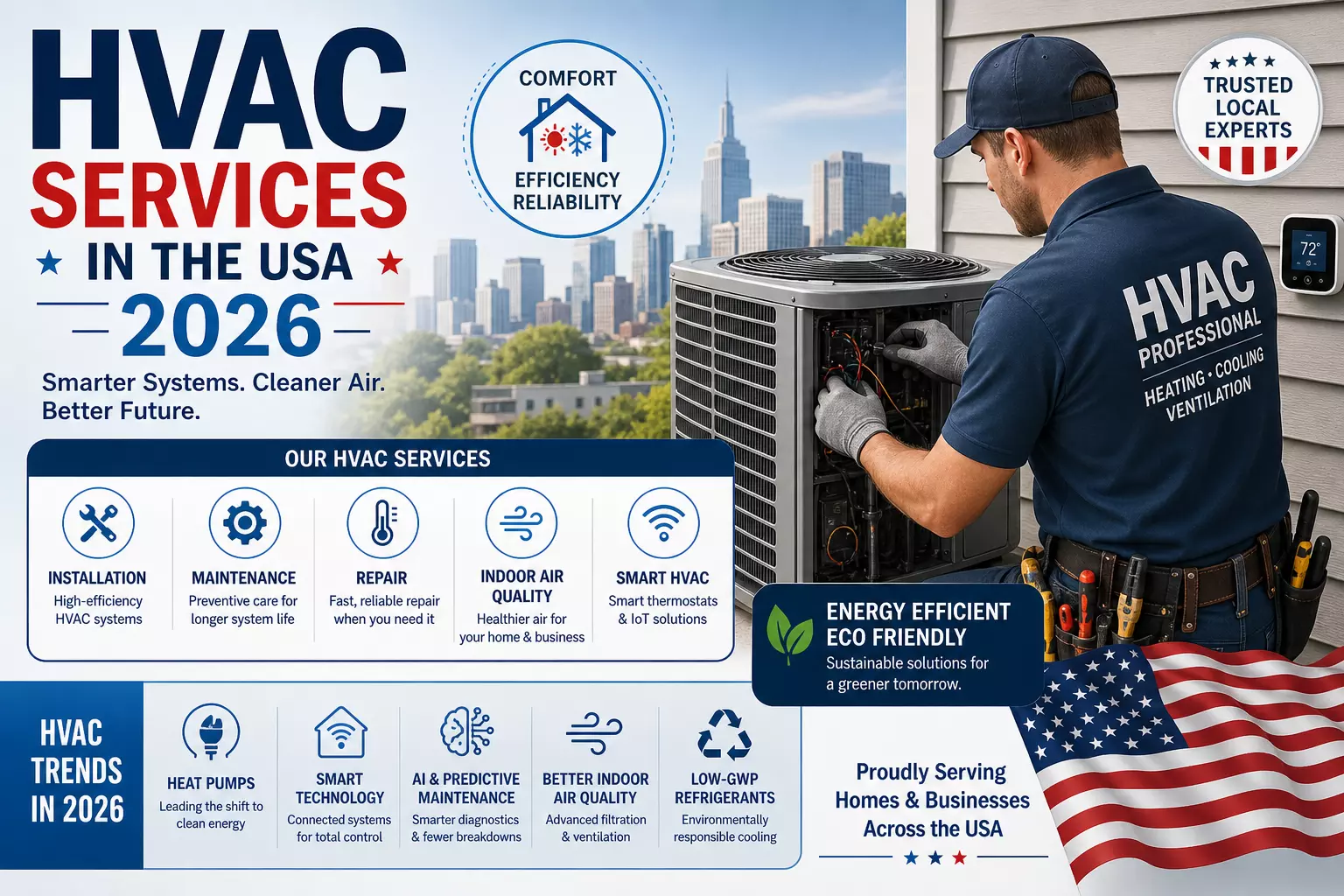
Surviving Florida Heat in 2026: HVAC Essentials for Extreme Summer Conditions
Florida summers are no joke. With blazing temperatures, relentless humidity, and long cooling seasons, HVAC systems in the state are pushed to their limits every year.
In 2026, the demand for advanced HVAC solutions in Florida has reached new heights, as homeowners and businesses look for systems that can handle intense heat, high moisture levels, and rising energy costs.
This article explores how HVAC needs in Florida are evolving and what it takes to stay cool, efficient, and comfortable during peak summer months.
The Reality of Florida Summers
Florida’s climate is defined by a combination of heat and humidity, making it one of the most challenging environments for HVAC systems in the U.S.
- Daytime temperatures often exceed 90°F (32°C)
- Humidity levels regularly cross 80%
- Cooling systems operate almost year-round
This means HVAC units in Florida are under continuous stress, unlike in many other states where systems are used seasonally.
Why Standard HVAC Systems Fall Short
Traditional HVAC Repair Services systems designed for moderate climates struggle in Florida because they are not optimized for high humidity.
Key limitations include:
- Inadequate moisture removal
- Frequent cycling due to improper sizing
- Higher energy consumption
- Reduced indoor comfort despite cooling
In 2026, it’s clear that Florida requires specialized HVAC solutions tailored for its unique climate.
Essential HVAC Requirements for Florida Summers
1. High-Capacity Cooling Systems
Florida homes and buildings need HVAC systems that can handle long operating hours without losing efficiency.
- Systems must run continuously without overheating
- Proper tonnage sizing is critical
- Heat pumps are increasingly preferred for efficiency
Oversized or undersized systems can lead to poor cooling and higher bills.
2. Dedicated Humidity Control Systems
Humidity is the biggest factor affecting comfort in Florida.
Without proper control, indoor spaces can feel sticky even when the temperature is low.
Modern HVAC solutions include:
- Whole-house dehumidifiers
- Variable-speed compressors
- Advanced moisture sensors
Maintaining indoor humidity between 40–55% significantly improves comfort and air quality.
3. Energy Efficiency & Cost Control
With HVAC systems running almost all year, energy efficiency becomes a top priority.
Key solutions:
- High SEER-rated air conditioners
- Smart thermostats with automation
- Zoning systems for targeted cooling
Efficient systems not only reduce electricity bills but also extend equipment lifespan.
4. Smart HVAC Technology
In 2026, smart HVAC systems are no longer optional—they are expected.
Features include:
- Remote temperature control via mobile apps
- AI-based energy optimization
- Usage tracking and performance analytics
Smart systems help homeowners adjust cooling based on real-time conditions, improving both comfort and efficiency.
5. Improved Airflow and Duct Systems
Proper airflow is essential in Florida’s humid environment.
Common issues like leaky or poorly designed ducts can:
- Increase humidity levels
- Reduce cooling efficiency
- Cause uneven temperature distribution
Upgrading ductwork ensures consistent cooling throughout the space.
6. Indoor Air Quality Enhancements
Humidity creates the perfect environment for mold, bacteria, and allergens.
To combat this, HVAC systems in Florida must include:
- HEPA-grade filters
- UV air purification systems
- Enhanced ventilation setups
Clean air is just as important as cool air in maintaining a healthy indoor environment.
7. Weather-Resistant HVAC Equipment
Florida’s coastal conditions and frequent storms demand durable HVAC systems.
Challenges include:
- Salt air corrosion
- Heavy rainfall and flooding
- Power fluctuations during storms
Modern HVAC units are designed with corrosion-resistant materials and protective coatings to withstand these conditions.
Common HVAC Issues Faced in Florida Summers
Many homeowners face recurring HVAC problems due to the extreme climate:
- AC running constantly but not cooling effectively
- High indoor humidity levels
- Sudden spikes in electricity bills
- Mold growth and unpleasant odors
- Frequent breakdowns and repairs
These issues highlight the importance of choosing the right system and maintaining it properly.
Maintenance: A Non-Negotiable in Florida
Regular maintenance is critical for HVAC performance in Florida.
Recommended practices:
- Replace air filters every 1–2 months
- Clean drain lines to prevent clogs
- Schedule seasonal inspections
- Check refrigerant levels and airflow
Preventive maintenance reduces the risk of unexpected failures during peak summer heat.
Residential vs Commercial HVAC Needs
Residential HVAC
- Focus on comfort and humidity control
- Smart thermostats and energy savings
- System upgrades for older homes
Commercial HVAC
- Larger systems with higher capacity
- Advanced ventilation and air quality control
- Compliance with building and energy codes
Industries such as hospitality, healthcare, and retail rely heavily on efficient HVAC systems to maintain operations.
Read: How to Choose the Right Air Conditioning Repair Service
HVAC Innovations Shaping Florida in 2026
The HVAC industry in Florida is rapidly adopting new technologies to tackle climate challenges:
- AI-driven predictive maintenance
- Variable refrigerant flow (VRF) systems
- Eco-friendly refrigerants
- Solar-assisted HVAC solutions
These innovations are helping improve efficiency while reducing environmental impact.
The Future of Cooling in Florida
As temperatures continue to rise, HVAC systems will become even more advanced and essential.
Future trends include:
- Fully automated smart HVAC ecosystems
- Net-zero energy homes services
- Advanced humidity management technologies
- Integration with renewable energy sources
Florida is expected to remain one of the most important markets for HVAC innovation in the U.S.
Conclusion
In 2026, HVAC systems in Florida are not just about cooling they are about managing heat, controlling humidity, improving air quality, and optimizing energy use.
The extreme summer climate demands high-performance systems that are efficient, durable, and technologically advanced.
For homeowners, investing in the right HVAC setup ensures comfort and long-term savings. For businesses, it is critical for maintaining operations and customer satisfaction.
As Florida’s climate continues to challenge traditional systems, the HVAC industry will keep evolving—delivering smarter, greener, and more powerful solutions for the future.