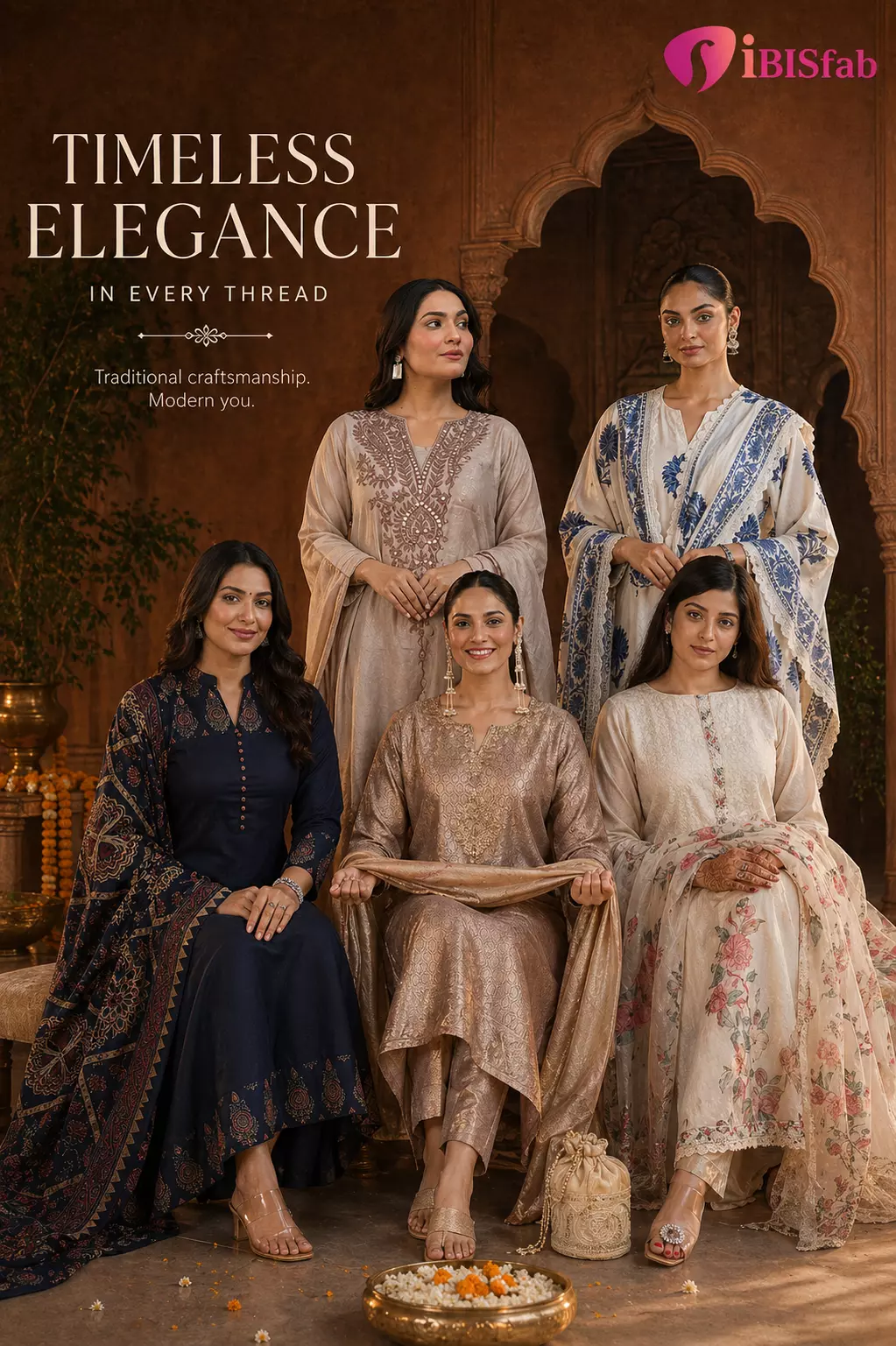
How to Pick the Right Suits for Women at Every Body Type
Finding the right suit is not just about following trends. It is about understanding your body, knowing what actually works for your proportions, and choosing a silhouette that makes you feel confident the moment you put it on.
Every woman deserves to feel at ease in her clothes, and a well-chosen suit can do exactly that.
Whether you lean toward structured traditional styles or relaxed contemporary sets, the variety of suits for women available today is genuinely exciting.
But with so many cuts, fabrics, and styles out there, it can feel overwhelming to figure out where to start. This guide is here to make that process simpler and a lot more enjoyable.
Why Suit Design Is the Foundation of a Good Outfit
Before anything else, you need to understand why suit design matters so much. Many women pick a suit based on color or embroidery without thinking about how the cut works with their frame.
The design of a suit determines where the eye travels, how the fabric drapes, and ultimately how the overall look comes together.
A thoughtful suit design can create the appearance of length, balance out proportions, add structure where needed, or soften lines that feel too sharp.
Once you understand how design elements interact with your body type, choosing the right suit becomes far less guesswork and far more intentional.
Dressing for Your Body Type
Pear-Shaped Body
Pear-shaped women carry more volume around the hips and thighs and have comparatively narrower shoulders. The goal with this body type is to draw visual attention upward.
A 3 piece suit for women that includes a flared or A-line kurta paired with fitted or tapered trousers works beautifully here. Adding embroidery or volume around the neckline and shoulders creates a natural balance.
An anarkali suit set is one of the best choices for this shape. The flared silhouette flows gracefully from the waist down, skimming over the hips entirely while keeping the upper portion of the outfit structured and striking.
Avoid bottoms that cling tightly around the thigh area. A relaxed salwar suit set with a longer kurta length gives both comfort and elegance.
Apple-Shaped Body
Apple-shaped women tend to carry weight around the midsection and have fuller busts with narrower hips. Lightweight fabrics work best here because they do not add unnecessary bulk.
Cotton suits for women in breathable weaves like mul or chanderi are ideal for this body type.
Look for empire waist cuts or kurtas with vertical panelling that guide the eye up and down rather than across. A longer kurta that grazes the thighs creates a clean, elongated line.
Pair it with a dupatta draped diagonally to introduce a flattering vertical element that draws attention away from the midsection.
Hourglass Body
Hourglass figures have balanced shoulders and hips with a naturally defined waist, and they have the most freedom when it comes to suit silhouettes.
A banarasi suit set in a rich silk weave drapes beautifully over curves and adds occasion-worthy elegance without trying too hard.
Fitted kurtas with a slight flare below the waist are also a strong choice. Cotton suit sets with dupatta work wonderfully for everyday wear on this frame because lightweight fabric naturally follows the body's shape.
Adding a belt or a tucked-in detail at the waist enhances the silhouette even further.
Rectangle Body
Rectangle-shaped women have shoulders, waist, and hips in roughly similar proportions. The styling goal is to create the illusion of curves.
Suit sets for women with voluminous sleeves, peplum-style hemlines, or bold embroidery around the bust and hip area introduce shape organically.
An embroidered salwar suit with heavy neckline or yoke work draws the eye inward and creates the suggestion of a narrower waist. Layering also helps significantly.
A three-piece suit with a fitted base and a flowy jacket or long dupatta adds depth and makes the overall look feel more dimensional.
Inverted Triangle Body
Inverted triangle figures have broader shoulders and a narrower lower half. The key here is to add visual volume below the waist to create balance.
A salwar suit set with wide-leg trousers, Patiala-style bottoms, or flared palazzo pants works very well.
Choose trending suits that feature minimal embellishment on the chest and richer detailing toward the hemline or lower portion. This redirects visual weight downward and creates a more proportionate overall appearance.
Read: Elevate Your Summer Wardrobe with Elegant Suit Set
Choosing the Right Fabric
Fabric plays a bigger role than most people realize. Cotton suits for women are consistently popular because they are breathable, easy to manage, and flattering across body types.
For festive occasions, a banarasi suit set offers structure and richness that lightweight fabrics simply cannot replicate.
For daily wear, lighter weaves are far more comfortable and practical. For celebrations or formal events, heavier fabrics add gravitas and a polished finish.
And for everything in between, a printed cotton suit with dupatta strikes the right balance between comfort and occasion-readiness.
Understanding the Cord Set
A cord set refers to a co-ordinated matching outfit where the top and bottom are designed from the same fabric or print. It is a contemporary take on the traditional suit format and suits women who want a put-together look without much effort.
Cord sets work especially well for rectangle and inverted triangle body types because the matching visual line from top to bottom creates a streamlined, elongated effect.
They are also a practical choice for office wear or casual outings where you want to look polished without being overdressed.
FAQs
1. Which suit silhouette works best for plus-size women?
A-line and anarkali suit set silhouettes are among the most universally flattering for plus-size figures. They drape over the body without clinging and create a flowing shape that is both comfortable and elegant throughout the day.
2. What is the difference between a salwar suit set and a cord set?
A salwar suit set is a traditional Indian ensemble that typically includes a kurta, bottom wear, and a dupatta. A cord set is a more contemporary matching separates outfit that leans toward modern Western styling.
Both fall under the broader category of suit sets for women but serve different occasions and aesthetics.
3. When should I wear a banarasi suit set?
A banarasi suit set is best worn for weddings, festive gatherings, religious occasions, or formal family events. The rich weave and intricate detailing give it a ceremonial quality that works beautifully in elevated settings.
4. Are cotton suits suitable for all seasons?
Yes, cotton suits for women are versatile enough for year-round wear. In summer they keep you cool and comfortable. In cooler weather they can be layered with a shawl or jacket to add warmth without losing the structure of the base outfit.
5. How do I style a 3 piece suit for women for a semi-formal event?
Choose a refined fabric like chanderi or muslin with subtle embroidery. Keep accessories minimal and let the suit design lead. A pair of block heels and a neatly draped dupatta will complete the look without overwhelming it.
Conclusion
Choosing the right suit is ultimately a personal journey that combines self-awareness with a bit of style curiosity. No single rule applies to every woman, and the best outfit is always the one you feel most yourself in.
Whether you love the timeless grace of an embroidered salwar suit, the festive richness of a banarasi suit set, or the modern ease of a cord set, what matters most is that the suit fits your lifestyle, flatters your body, and lifts your confidence.
Start with silhouette, consider fabric next, and always think about the occasion.
Once those three elements align, picking the right suits for women at every body type stops feeling like a challenge and starts feeling like exactly what dressing should be, genuinely enjoyable.