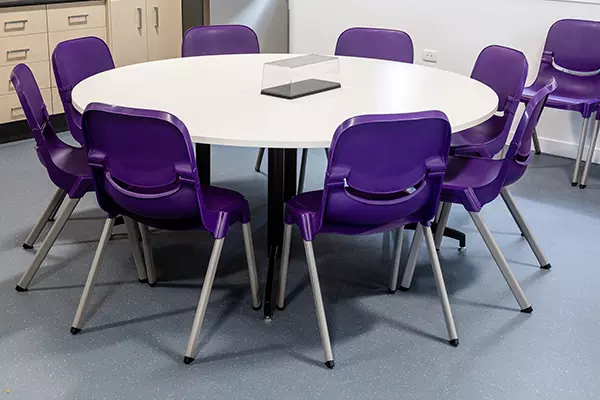
Student Desks - Contributing To The Success Of The Educational System
The modern classroom is a dynamic environment designed to inspire learning, collaboration, and growth. Central to this environment are student desks in NZ, which serve as the foundational platform for a student’s daily academic journey. A well-thought-out desk design supports cognitive development, improves focus, and enhances classroom organization.
The role of student desks in education extends far beyond being mere furniture. Their impact can be felt in every facet of the learning experience. An ergonomically designed desk allows students to maintain proper posture, reducing physical discomfort and promoting longer periods of concentration. When students are physically comfortable, they are more likely to remain attentive and engaged with instructional material.
Effective classroom layouts that incorporate appropriately sized student desks contribute to better classroom management. Teachers can navigate the room more easily, interact with students individually, and foster a more inclusive learning atmosphere.
Desks arranged to encourage group discussions or cooperative learning also support social skills development.
Different educational levels demand different types of desks. In elementary schools, desks are often colourful, with rounded edges and storage compartments.
Middle and high school students benefit from more structured designs that offer durability and space for materials. This strategic matching of desk design to student age and academic needs ensures that the desk functions as more than a sitting area; it becomes a tool for academic support.
Another critical advantage of quality student desks is their contribution to organized learning. Desks with built-in storage help reduce clutter, allowing students to keep their materials in order. This organization leads to time-saving during transitions between activities, creating a smoother classroom experience.
A practical example can be seen in schools that implement adjustable desks. These allow for height modifications, supporting students of various sizes and physical needs. This flexibility acknowledges the diversity in student body types and ensures inclusivity in classroom design.
Some essential benefits of well-designed student desks include:
· Improved concentration and mental alertness
· Support for collaborative and individual learning styles
· Enhanced classroom movement and supervision
· Better physical health through ergonomic support
Educators are increasingly recognising the connection between classroom design and academic performance. A thoughtfully equipped learning space empowers students, boosting their confidence and willingness to participate. When students feel supported by their physical environment, their motivation to succeed intensifies.
Student desks also play a role in promoting accountability. Individual desks offer personal space, encouraging responsibility for materials and behaviour. On the other hand, shared or group desk configurations promote teamwork and mutual respect. Both arrangements offer educational value, depending on instructional goals.
In digitally integrated classrooms, modern student desks now accommodate charging ports and device holders. These features support the evolving educational landscape where technology plays a central role in teaching and learning. Proper integration of such features ensures that technology enhances rather than disrupts the learning flow.
Incorporating mobility into desk design, such as rolling legs or stackable features, adds to the efficiency of space usage. Schools with limited space benefit greatly from flexible desk solutions that allow for easy rearrangement during various classroom activities.
A school district in a suburban region implemented adjustable and mobile desks across its elementary schools. Within a year, teachers reported noticeable improvements in student behaviour, attention spans, and class participation. These tangible results illustrate how student desks are directly linked to educational outcomes.
The use of student desks continues to evolve with educational trends, yet their core purpose remains consistent: to support the learner. An investment in quality, adaptable, and ergonomic desks is an investment in student achievement.
Finally, not every factor in education is within the control of schools, but optimising the physical learning environment is a tangible and impactful step. Student desks in NZ are more than classroom fixtures; they are instruments that shape the daily experiences of students and educators alike. When learning spaces are built with intention and care, academic success becomes a shared and attainable goal.