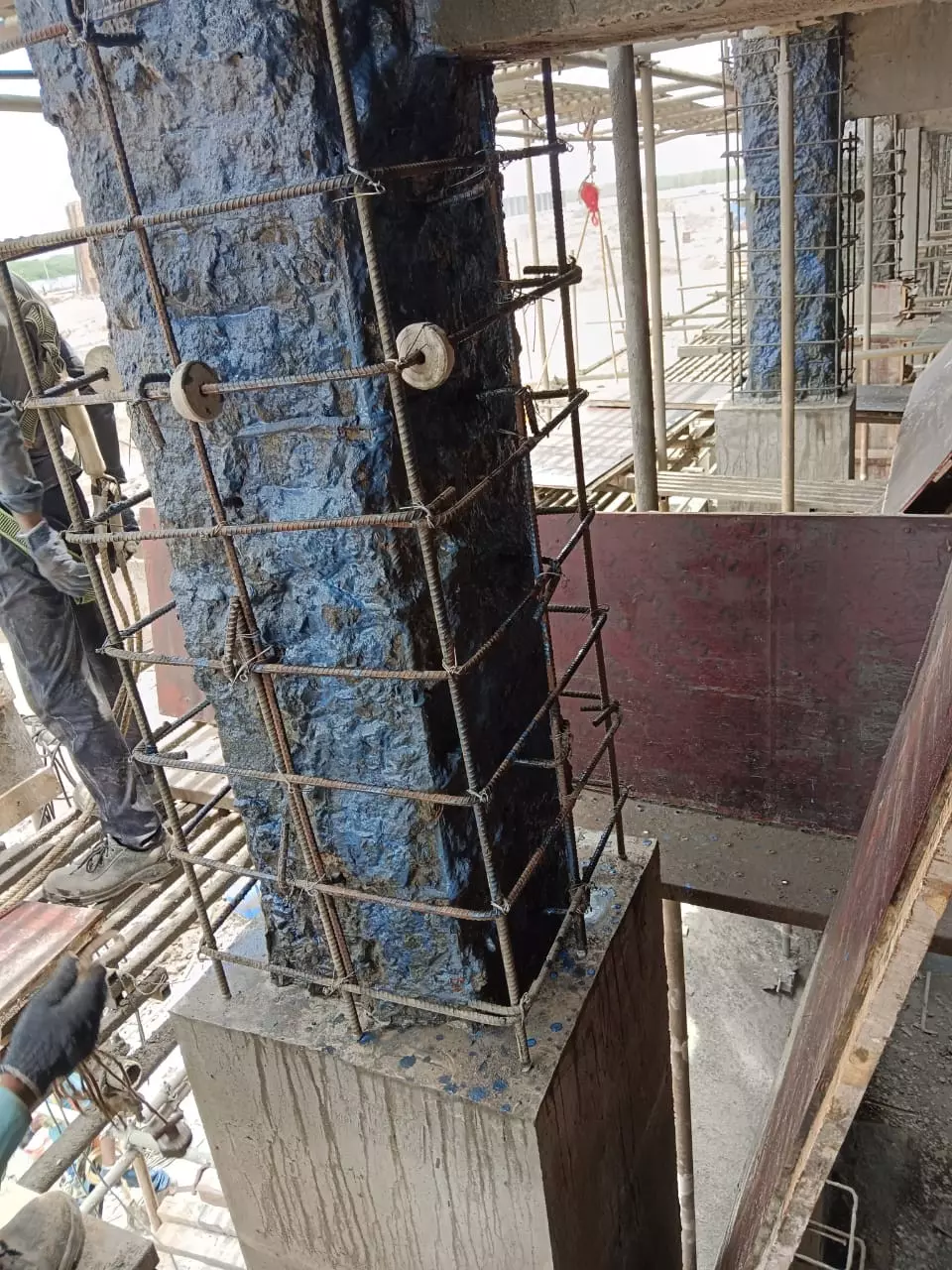
Structural Repair Services: Don't Ignore Early Warning Signs
Buildings and infrastructure are designed to withstand years of use, changing weather conditions, and increasing structural loads.
However, every structure experiences gradual deterioration due to aging, environmental exposure, moisture intrusion, corrosion, poor construction practices, and continuous usage.
Ignoring these issues can result in severe structural damage, expensive repairs, and safety risks. This is why structural repair services have become an essential investment for property owners who want to extend the lifespan of their buildings.
Whether it is a residential apartment, commercial complex, industrial plant, bridge, warehouse, or institutional building, structural deterioration should never be overlooked. Professional structural repair contractors identify the root cause of damage instead of simply treating visible symptoms.
Their expertise helps restore structural integrity while preventing future failures, ensuring that buildings remain safe, durable, and compliant with engineering standards.
What Are Structural Repair Services?
Structural repair services involve repairing damaged structural components that affect the stability, strength, and performance of a building.
These repairs may include restoring cracked concrete, strengthening weakened beams and columns, repairing slabs, treating reinforcement corrosion, waterproofing affected areas, and improving load-bearing capacity.
The primary objective is to restore the original structural performance without requiring complete reconstruction whenever possible.
Modern repair methods combine engineering analysis with advanced repair materials to deliver long-lasting results.
Instead of replacing entire structural elements, engineers evaluate the extent of deterioration and recommend targeted repair techniques. This approach minimizes downtime, reduces project costs, and preserves the existing structcture while significantly improving its durability and service life.
Why Buildings Develop Structural Damage
Structural damage rarely develops overnight. Most buildings experience gradual deterioration caused by multiple factors working together over many years.
Water penetration allows moisture to reach reinforcing steel, leading to corrosion that expands and cracks surrounding concrete.
Heavy loads, vibration, foundation settlement, chemical exposure, poor workmanship, and inadequate maintenance also contribute to structural distress that becomes more severe if left untreated.
Environmental conditions further accelerate structural deterioration. Coastal regions experience chloride attacks, industrial facilities face chemical exposure, and urban buildings are constantly subjected to pollution, temperature fluctuations, and moisture cycles.
Understanding these underlying causes helps engineers develop repair solutions that address both existing damage and the factors responsible for future deterioration.
Common Signs That Your Building Needs Structural Repair
Many building owners notice warning signs long before major structural failures occur but often delay professional inspections. Visible cracks in walls, ceilings, beams, or slabs should never be ignored, especially when they continue growing over time.
Concrete spalling, rust stains, exposed reinforcement bars, uneven floors, water leakage, and excessive deflection also indicate potential structural problems requiring immediate engineering evaluation.
Doors and windows becoming difficult to operate may also indicate foundation movement or structural displacement. Persistent dampness, ceiling cracks, and unusual vibrations during occupancy can signal hidden structural deterioration.
Early intervention by experienced structural repair contractors helps prevent minor defects from becoming major safety hazards and significantly reduces long-term repair costs.
Types of Structural Repair Services
Structural repair covers a wide range of engineering solutions depending on the condition of the building and the extent of deterioration.
Concrete crack injection restores structural continuity by filling internal cracks with specialized materials. Damaged concrete is repaired through patch restoration, while corroded reinforcement undergoes treatment before protective coatings are applied to improve durability and prevent future corrosion.
Additional repair techniques include beam strengthening, slab repair, column rehabilitation, foundation stabilization, expansion joint repair, concrete jacketing, steel plate strengthening, carbon fiber reinforcement, waterproofing integration, and protective surface coatings.
Every repair solution is selected after detailed structural assessment to ensure compatibility with existing building conditions and future service requirements.
Importance of Hiring Professional Structural Repair Contractors
Structural repairs involve much more than repairing visible cracks or replacing damaged concrete. Professional structural repair contractors possess engineering expertise, technical equipment, material knowledge, and practical experience needed to evaluate structural performance accurately.
Their work begins with detailed inspections, testing, structural analysis, and identifying the exact causes responsible for deterioration before recommending suitable repair methods.
Experienced contractors also understand national engineering standards, safety regulations, quality control procedures, and construction sequencing.
Their systematic approach minimizes disruption while ensuring repairs achieve the intended structural performance. Hiring qualified professionals provides confidence that repairs are durable, technically sound, and capable of protecting valuable assets for many years.
Structural Inspection Before Repair Work
Every successful repair project begins with a comprehensive structural inspection. Engineers examine visible damage while using advanced diagnostic techniques to detect hidden deterioration within concrete members.
Testing methods may include rebound hammer testing, ultrasonic pulse velocity testing, reinforcement scanning, carbonation assessment, corrosion potential evaluation, and core sampling to determine the actual condition of structural components.
Inspection findings allow engineers to prepare an effective repair strategy rather than relying on assumptions.
Detailed reports identify damaged areas, estimate structural capacity, determine repair priorities, and recommend appropriate strengthening techniques where necessary. Accurate diagnosis ensures repairs solve the underlying problem instead of providing temporary cosmetic improvements.
Advanced Techniques Used in Structural Repair
Modern structural engineering has introduced advanced repair technologies that improve durability while minimizing demolition.
Epoxy injection repairs structural cracks by restoring monolithic behavior within concrete members. Polymer-modified mortars provide excellent bonding during patch repairs, while corrosion inhibitors protect reinforcing steel from further deterioration and extend the service life of repaired structures.
Advanced strengthening systems include carbon fiber reinforced polymer wrapping, steel plate bonding, micro-concrete jacketing, shotcrete applications, and externally bonded reinforcement systems.
These innovative solutions increase load-carrying capacity without adding excessive weight. Selecting the right technology depends entirely on engineering evaluation, structural condition, and long-term performance requirements.
Industries That Require Structural Repair Services
Structural repair is essential across numerous industries where safety, reliability, and uninterrupted operations are critical. Manufacturing plants require repairs for deteriorated industrial floors, columns, chimneys, and heavy equipment foundations.
Commercial buildings need structural rehabilitation to maintain occupancy standards, while residential apartments benefit from repairs that restore safety and increase long-term property value.
Infrastructure projects such as bridges, flyovers, parking structures, water treatment plants, educational institutions, hospitals, warehouses, shopping complexes, ports, and power plants also require specialized repair solutions.
Each sector presents unique structural challenges that demand customized engineering approaches based on operating conditions, environmental exposure, and service requirements.
Benefits of Timely Structural Repair
Delaying structural repairs often increases repair costs because deterioration continues spreading throughout the building.
Early intervention prevents moisture ingress, limits reinforcement corrosion, restores structural strength, and reduces the likelihood of expensive reconstruction.
Timely repairs also improve occupant safety while preserving the appearance and functionality of valuable commercial and residential properties.
Another significant advantage involves extending the service life of existing structures. Instead of investing in complete replacement, owners can restore performance through carefully engineered repairs.
Proper structural maintenance also improves compliance with safety standards, enhances operational reliability, and increases confidence among occupants, investors, and facility managers.
Choosing the Right Structural Repair Contractor
Selecting the right contractor directly influences the quality and durability of structural repairs. Building owners should evaluate engineering capabilities, project experience, technical certifications, quality assurance procedures, safety practices, and previous repair projects before making a decision.
Contractors should demonstrate expertise in structural assessment, repair material selection, and execution using modern engineering techniques.
Communication and transparency are equally important throughout the repair process. Reliable contractors provide detailed inspection reports, explain repair recommendations clearly, maintain project schedules, and follow established quality standards.
Choosing experienced professionals helps ensure that repairs deliver long-term structural performance instead of temporary cosmetic improvements.
Read: Excellence in Structural Design and Structural survey Services
Structural Maintenance After Repair
Completing structural repairs does not eliminate the need for ongoing maintenance. Regular inspections help identify early signs of deterioration before significant damage develops again.
Routine maintenance should include waterproofing inspections, drainage improvements, crack monitoring, corrosion protection, concrete surface cleaning, and preventive repairs whenever necessary to preserve structural health.
Building owners should also maintain proper maintenance records and schedule periodic engineering assessments based on building age and environmental conditions.
Preventive maintenance extends the effectiveness of previous repairs while minimizing unexpected repair expenses. Consistent monitoring ensures the structure continues performing safely throughout its intended service life.
Future Trends in Structural Repair Services
Structural repair technology continues advancing with improved materials, digital inspection tools, and data-driven engineering solutions. Non-destructive testing equipment now provides highly accurate condition assessments without damaging existing structures.
Smart monitoring systems continuously measure structural movement, vibration, moisture, and corrosion, allowing engineers to detect deterioration much earlier than traditional inspection methods.
Environmentally sustainable repair materials are also becoming increasingly popular. High-performance repair mortars, corrosion-resistant reinforcement systems, fiber-reinforced composites, and eco-friendly protective coatings help improve structural durability while reducing environmental impact.
These innovations enable engineers to deliver stronger, longer-lasting repair solutions with improved lifecycle performance.
Professional For Structural Repair Services
Choosing experienced engineering professionals is one of the most important decisions when planning structural rehabilitation.
A thorough inspection, proper diagnosis, and technically sound repair strategy ensure that buildings remain safe, durable, and operational for decades.
Organizations seeking reliable structural repair solutions can consider Gubbi Civil Engineers Limited, whose engineering-focused approach emphasizes quality workmanship, advanced repair techniques, and long-term structural performance for complex residential, commercial, and industrial projects.
Structural deterioration is a natural process, but it should never be ignored. Early identification of damage, professional inspections, and scientifically planned repairs protect buildings from progressive deterioration while preserving structural safety.
Investing in professional structural repair services not only restores damaged structures but also increases their lifespan, improves operational reliability, and reduces future maintenance costs.
Working with experienced structural repair contractors ensures that repair solutions are based on engineering analysis rather than temporary fixes.
Whether repairing cracks, strengthening structural members, restoring concrete, or protecting reinforcement from corrosion, professional repair services help buildings continue serving safely for many years while providing long-term value to property owners and facility managers.