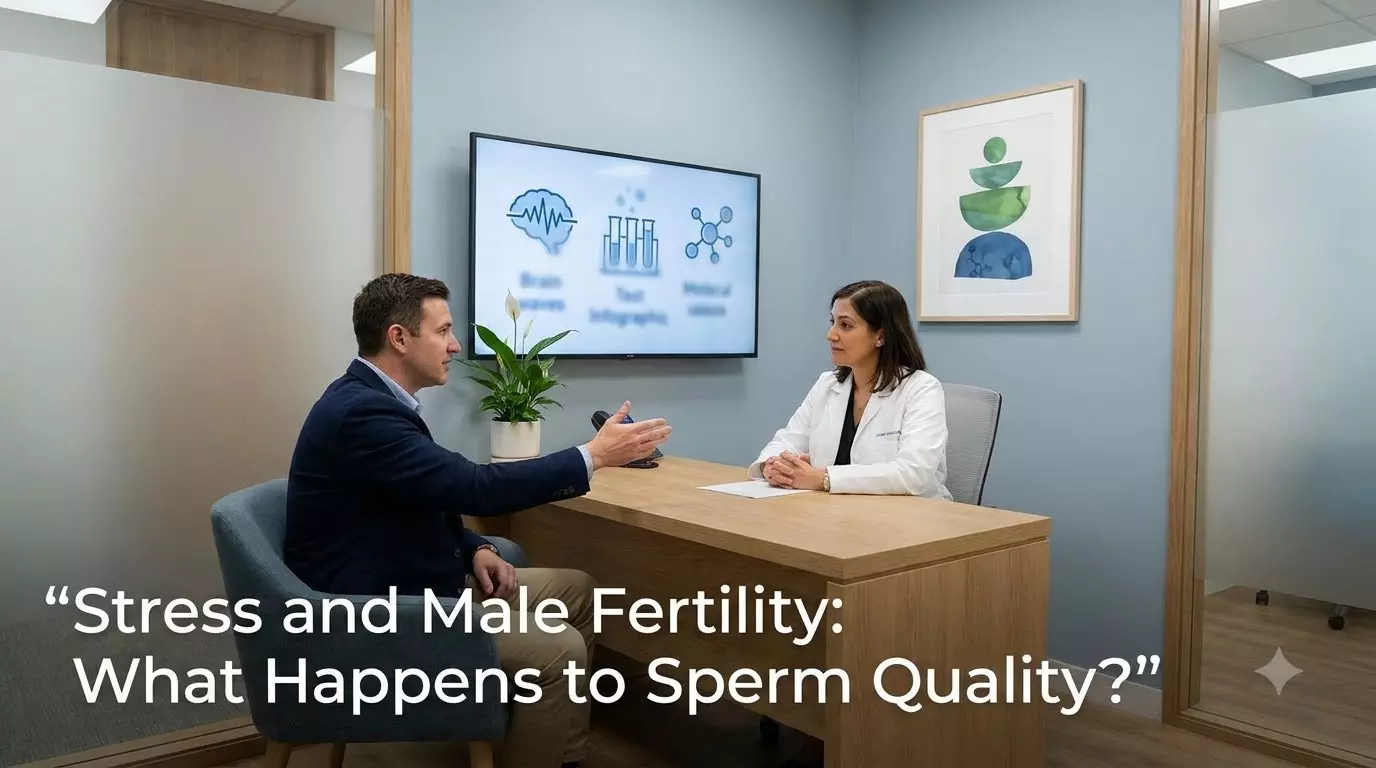
Can Stress Affect Male Fertility and Sperm Quality?
Work pressure, financial worries, relationship difficulties, and lack of sleep can affect a man's overall health. But can these pressures also affect his ability to become a father? Stress may influence male fertility and sperm quality, particularly when it is severe or continues for a long time.
If you are seeking guidance from the best fertility hospital in Madurai, it is important to understand how stress fits into the wider picture of male reproductive health.
Stress does not automatically cause infertility. However, it may affect hormones, sexual function, sleep, and lifestyle habits that support healthy sperm production.
Can Stress Affect Male Fertility and Sperm Quality?
Yes. Research suggests that prolonged psychological stress may be associated with changes in certain semen parameters, including sperm concentration, movement, and shape.
When the body experiences stress, it releases hormones such as cortisol. Long-term changes in stress-related hormone activity may influence the reproductive hormone system, which helps regulate testosterone and sperm production.
However, the relationship between stress and male fertility is complex. Not every man experiencing stress will have poor sperm quality, and stress alone cannot explain every fertility problem.
5 Ways Stress May Affect Male Reproductive Health
1. Stress Hormones May Influence Sperm Production
The brain and testicles work together to regulate sperm production through reproductive hormones. Prolonged stress may interfere with this hormonal communication in some men.
Changes in hormone regulation can potentially affect testosterone levels and sperm production. The impact varies between individuals and depends on several health factors.
2. Chronic Stress May Affect Sperm Quality
Some studies have linked psychological stress with changes in sperm concentration, motility, and morphology.
Stress may also be associated with increased oxidative stress in the body. Oxidative stress occurs when harmful molecules called free radicals outweigh the body's antioxidant defences. Excessive oxidative stress can damage sperm cells and may affect sperm DNA.
These findings show a possible relationship, not proof that stress directly causes infertility in every man.
3. Stress Can Reduce Sexual Desire
Stress can affect mood, confidence, and interest in intimacy. Some men experience reduced sexual desire during periods of ongoing pressure or anxiety.
This may reduce the frequency of intercourse during the fertile window, making conception more difficult even when sperm production is normal.
4. Stress May Contribute to Erectile or Ejaculation Problems
Performance anxiety and emotional pressure can affect sexual function. Some men experience difficulty getting or maintaining an erection, while others notice changes in ejaculation.
These problems do not necessarily indicate poor sperm quality. However, they can make natural conception more challenging.
5. Stress Can Lead to Unhealthy Lifestyle Habits
When stress becomes difficult to manage, some men may smoke more, drink heavily, sleep poorly, exercise less, or rely on unhealthy food.
These habits can affect reproductive health independently of stress. For example, smoking and anabolic steroid use can negatively affect sperm production, while poor sleep may disrupt normal hormonal regulation.
A best fertility hospital in Madurai should consider these lifestyle factors alongside medical causes when evaluating male fertility.
Does Stress Cause Low Sperm Count Permanently?
No. Stress does not automatically cause permanent low sperm count.
Sperm production is an ongoing process, and semen parameters can vary between tests. If stress is contributing to changes in reproductive health, improving sleep, managing anxiety, and addressing associated lifestyle habits may support overall well-being.
However, low sperm count can also result from varicocele, hormonal disorders, genetic conditions, infections, or testicular problems. These causes need appropriate medical assessment rather than assuming stress is responsible.
How Can Men Reduce Stress and Support Sperm Health?
You do not need to eliminate every source of stress to support reproductive health. Start with manageable changes:
- Maintain regular sleep: Aim for a consistent sleep routine and adequate rest.
- Exercise regularly: Walking, cycling, or other moderate activity can support physical and mental health.
- Eat a balanced diet: Include vegetables, fruits, whole grains, nuts, and suitable protein sources.
- Avoid smoking and recreational drugs: These can negatively affect sperm health.
- Limit alcohol: Avoid heavy drinking and discuss alcohol use with your doctor.
- Make time for relaxation: Breathing exercises, hobbies, and counselling may help manage ongoing stress.
- Reduce conception pressure: Try to maintain intimacy without making every encounter feel like a fertility test.
These steps support general health, but they are not guaranteed treatments for male infertility.
How Do Doctors Check Whether Stress Is Affecting Sperm Quality?
There is no single test that can confirm stress as the cause of male infertility. Doctors usually begin with a medical history, physical examination, and semen analysis.
A semen analysis checks:
- Sperm concentration.
- Total sperm count.
- Sperm movement (motility).
- Sperm shape (morphology).
- Semen volume.
Depending on the findings, hormone tests or additional investigations may be recommended. An abnormal semen report may need to be repeated because sperm parameters can change over time.
If you are consulting the best fertility hospital in Madurai, ask whether the evaluation considers both lifestyle and medical factors. A complete assessment is more useful than attributing fertility difficulties to stress alone.
For further reading, explore stress and male fertility along with other factors that may influence male reproductive health.
When Should You Consult a Fertility Specialist?
Consider a fertility evaluation if pregnancy has not occurred after 12 months of regular unprotected intercourse. If the female partner is aged 35 or older, assessment is generally recommended after six months.
Seek earlier advice if you have persistent erectile difficulties, testicular pain or swelling, a history of reproductive problems, or an abnormal semen analysis.
A best fertility hospital in Madurai should help identify possible causes, explain test results, and discuss suitable next steps for both partners.
Final Thoughts
Stress can influence male reproductive health through hormonal changes, possible effects on sperm quality, sexual difficulties, and unhealthy lifestyle habits. However, it is only one possible factor among many, and experiencing stress does not mean a man will become infertile.
If you are concerned about stress and male fertility, a proper assessment can help identify what is affecting your reproductive health.
Consulting the best fertility hospital in Madurai can help you understand your semen results, address possible contributing factors, and make informed decisions about your path to parenthood.